
Unique D&D Character Goals That Inspire Roleplay Beyond Combat
Discover creative D&D character goals that add depth, inspire rich roleplay, and drive stories beyond combat.

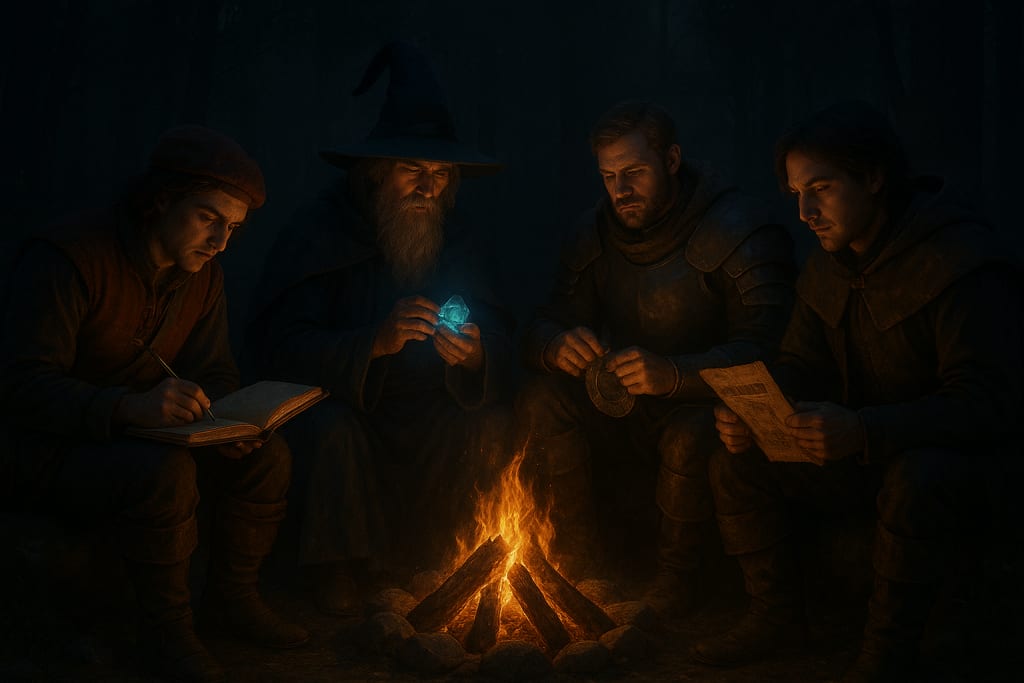
Dungeons & Dragons is often remembered for its cinematic battles, clever tactics, and dice-fueled victories. But the true heart of the game lies in the quieter moments—the whispered vows around the campfire, the tense bargaining in a crowded tavern, the stubborn pursuit of dreams that can’t be solved with a sword.
When players give their characters personal goals that extend beyond combat, the campaign transforms. It stops being just about defeating monsters and starts becoming about building legacies, seeking redemption, uncovering mysteries, or chasing dreams. These goals can enrich every roleplaying session, keeping the story alive long after the initiative tracker is put away.
Why Goals Beyond Combat Matter
Fights resolve quickly. Character growth lingers.
Without ambitions outside of battle, characters risk becoming one-dimensional: adventurers who kill, loot, and repeat. Personal goals push players to ask bigger questions—Who is my character really? What do they want? How far will they go to get it?
When integrated into play, non-combat goals can:
- Create emotional depth. A wizard who craves forbidden knowledge makes different choices than one who just wants gold.
- Fuel inter-party dynamics. Goals that clash can spark arguments, alliances, or even betrayal within the group.
- Shape the world. When a character strives to build a temple or protect a village, the DM can weave that ambition into the campaign’s very fabric.
- Keep sessions engaging between fights. A player with strong roleplay goals never sits idle when the swords are sheathed.
In essence, combat tells you what your character can do. Personal goals reveal who they are
Unique Character Goals to Enrich Roleplay
Here are examples of ambitions that drive storytelling far beyond the battlefield, complete with tips for how to use them effectively.
1. Seeking Legacy
For some characters, glory is fleeting unless it is remembered. A bard might want their songs etched into history, a fighter could crave a statue in the city square, or a wizard may hope their name becomes synonymous with magical discovery.
Roleplay Hook: Such characters often make bold choices, leaning into danger for the sake of fame. They might take unnecessary risks in battle, insist on public recognition, or feud with rivals.
DM Tip: Introduce NPCs who undermine their reputation or bards who twist their story. Watching the character fight for recognition adds depth.
2. Restoring Honor
Redemption arcs add emotional weight. A disgraced knight might seek to regain their lord’s favor. A cleric who failed their temple may wander the world in penance. Even a rogue could strive to prove they’re more than their past crimes.
Roleplay Hook: These characters often wrestle with shame, insecurity, or anger. Their choices reflect desperation to be seen as worthy again.
DM Tip: Present moments where their reputation precedes them—villagers who spit at their name, or allies who doubt their reliability. Every encounter tests their resolve.
3. Pursuing Forbidden Knowledge
Knowledge is not always safe. Some characters crave the forbidden—the kind of secrets mortals aren’t meant to know.
Roleplay Hook: This goal can inspire morally gray decisions, like stealing from temples, consorting with cults, or studying dangerous artifacts.
DM Tip: Reward curiosity with tantalizing clues but ensure the knowledge always has consequences. Power may come at the cost of sanity, loyalty, or morality.
4. Protecting Something Fragile
Not every adventurer dreams of saving the world. Sometimes, it’s about one fragile thing: a younger sibling, a family heirloom, a sacred grove, or even an abstract concept like “innocence.”
Roleplay Hook: Protection drives sacrifice. A character with this goal might spare an enemy if it means safety for their charge, or turn down wealth to secure resources for those they care about.
DM Tip: Threaten the object of their protection. A loved one taken hostage or a grove set ablaze forces powerful, emotional decisions.
5. Escaping the Past
Some adventurers aren’t chasing something—they’re running from it. A haunted war veteran, a rogue who betrayed their guild, or a sorcerer born with cursed blood all carry baggage that shapes their story.
Roleplay Hook: These characters can be secretive, reluctant to trust, or constantly moving from place to place. They might make strange choices to avoid recognition.
DM Tip: Let the past catch up. Old allies, enemies, or consequences can reappear at the worst times, challenging the character’s growth.
6. Achieving Transformation
Transformation goals give campaigns epic scope. A cleric who wishes to ascend to godhood, a druid yearning to become a guardian spirit, or a fighter seeking mastery of an impossible martial art all drive stories far beyond the norm.
Roleplay Hook: Such ambitions demand dedication, obsession, and constant self-testing. They encourage characters to chase greater challenges.
DM Tip: Make the path uncertain. Perhaps the transformation requires moral sacrifices or forces the character to question whether the journey is worth the cost.
7. Building Something Lasting
Some heroes dream not of conquest, but of creation. A rogue might want to establish a thieves’ guild, a cleric may aspire to found a temple, or a wizard could envision a magical academy.
Roleplay Hook: These characters often think in terms of alliances, influence, and long-term stability. They may treat quests as stepping stones to their larger ambition.
DM Tip: Introduce opportunities for them to gain land, followers, or recognition. Rival organizations make great antagonists.
How to Bring Goals Alive at the Table
- Having a goal written on paper is one thing. Bringing it into the story requires consistent roleplay and DM support.
- Tie Goals to the World. Connect ambitions to real factions, places, or events in your setting.
- Reward Progress. Even small steps toward a goal (recognition in a town, recovering part of a lost artifact) should feel meaningful.
- Embrace Conflict. If one character seeks forbidden knowledge and another seeks redemption, sparks will fly. Don’t avoid those moments—lean into them.
- Allow Evolution. Goals aren’t static. A disgraced knight who earns redemption may later crave power, while a bard who becomes famous might struggle with envy or impostor syndrome.
Combat might decide the fate of a single battle, but character goals decide the fate of the story. By giving adventurers ambitions that reach beyond the next dungeon, campaigns grow richer, deeper, and infinitely more memorable.
The next time you sit down at the table, don’t just ask, What can my character fight? Ask, What do they truly want? Because sometimes, the most dangerous struggles are the ones no sword can solve.
About the Creator
Richard Bailey
I am currently working on expanding my writing topics and exploring different areas and topics of writing. I have a personal history with a very severe form of treatment-resistant major depressive disorder.
Keep reading
More stories from Richard Bailey and writers in Gamers and other communities.
Rush Royale Co-op Strategy Guide: Master Team Play and Win More Matches
Rush Royale is often seen as a competitive PvP tower defense game, but the co-op mode adds a different kind of challenge. Instead of trying to outlast a rival, you and your partner must survive endless waves together. The longer you last, the bigger the rewards—but reaching higher waves requires more than luck. It demands synergy, patience, and calculated planning.
By Richard Bailey6 months ago in Gamers
Slay the Spire 2 Review: A Worthy Sequel That Builds on a Legendary Roguelike
If you’re a fan of deck-building roguelikes, chances are you’ve already heard about Slay the Spire 2. The sequel to the beloved Slay the Spire has been one of the most anticipated strategy games in recent years, especially among players who love card-based combat systems mixed with roguelike progression.
By Bella Anderson6 days ago in Gamers



Comments
There are no comments for this story
Be the first to respond and start the conversation.