
"How to Build a Successful Poker Game Business: Key Role of Developers in Game Creation
Post-Launch Support and Game Maintenanc

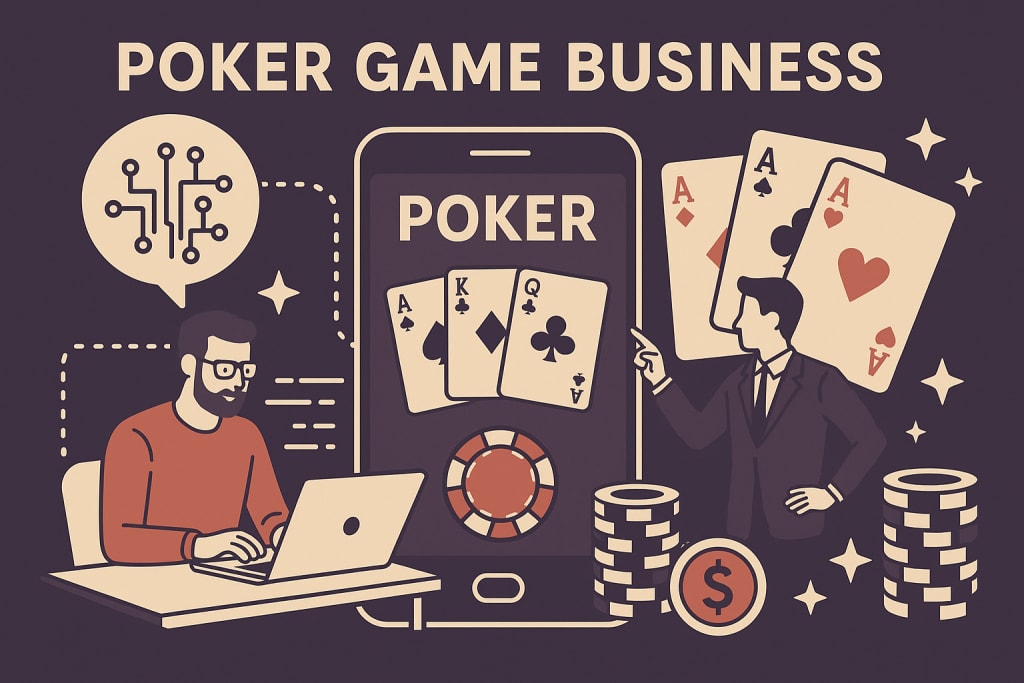
Building a successful poker game business isn't just about creating a fun game. It's about tapping into the right market, choosing the right developers, and ensuring that the game runs smoothly while offering a seamless experience. The synergy between business goals and technical expertise is crucial to achieving long-term success. In this article, we’ll explore the step-by-step process of launching a poker game business and discuss how developers play a key role in bringing your vision to life.
Understanding the Poker Game Business Model
Before diving into development, it's essential to understand how the poker game business works. A solid business model is the backbone of any successful venture. Here are some steps to consider:
Market Research
Conducting thorough market research is the first step. Understand your target audience, their preferences, and the current trends in the poker game industry. Whether you're targeting casual players or professional gamers, each group will have different expectations from your game.
Monetization Strategies
A poker game business can earn revenue in several ways:
In-app purchases: Chips, premium features, avatars, etc.
Ads: Display ads or sponsored content.
Tournaments: Charging an entry fee for tournaments.
By understanding the various monetization strategies, you can choose the one that aligns with your business goals and audience.
Marketing and Promotion
Effective marketing strategies, such as leveraging social media platforms, influencer marketing, and search engine optimization (SEO), will play a major role in driving traffic to your poker game. Your marketing efforts should speak directly to the interests and desires of your target audience.
The Role of Developers in Poker Game Creation
Now, let’s talk about poker game developers, who are the cornerstone of your game’s success. They’ll bring your ideas to life and ensure that your game is playable, secure, and engaging. Here's how they contribute to the process:
Game Design and User Experience (UX)
A game’s success is heavily influenced by its design. Developers create the layout, the interactive elements, and the overall user interface (UI). They ensure that the game’s experience is user-friendly, ensuring players stay engaged. Good design also means smooth transitions, intuitive controls, and eye-catching graphics—all of which contribute to an engaging poker game.
Features and Functionality
Your poker game must offer a variety of features to keep players entertained and coming back for more. Developers will integrate features like:
Multiplayer functionality: Allowing players to compete in real-time.
Leaderboards: Players can track their progress.
Customizations: Personalizing avatars, tables, etc.
Advanced AI: For single-player modes or tournaments.
These features add depth to the game, creating a more immersive experience that can drive player retention.
Technology Stack and Security
Poker game development requires a solid tech stack. Developers will use programming languages such as JavaScript, C++, or HTML5 for cross-platform compatibility. They will also implement encryption techniques and secure payment gateways to ensure the safety and security of player data. This is crucial for building trust in your poker game business, especially when dealing with sensitive information.
Game Testing and Quality Assurance (QA)
Before launching your poker game, developers will thoroughly test it to ensure it's free of bugs and issues. This involves both functional testing (making sure all features work as intended) and performance testing (checking the game’s load time, latency, and stability under heavy usage). QA testing is vital for ensuring a seamless experience, which is critical for user retention and satisfaction.
Choosing the Right Developer for Your Poker Game Business
The success of your poker game largely depends on the developers you choose. Here are a few tips for selecting the right development team:
Experience: Look for developers with experience in creating poker or similar card games.
Portfolio: Review their previous projects to understand their skill set.
Tech Stack Expertise: Ensure they’re familiar with the tech stack needed for your game.
Communication: Developers should be responsive and communicate effectively to ensure a smooth workflow.
Challenges in Poker Game Development and Business Growth
Building a poker game business and developing a game comes with its own set of challenges. These include:
Compliance with Gambling Laws: Depending on the region, there may be legal hurdles regarding gambling laws.
Market Saturation: The poker game market is highly competitive, and distinguishing your game from others is key.
Player Retention: Keeping players engaged long-term requires frequent updates, fresh content, and promotional events.
Conclusion
Building a successful poker game business involves more than just great game development. It requires a deep understanding of market trends, effective monetization, and the right choice of developers to bring your vision to life. Developers play a crucial role in creating the features, designs, and security needed for a seamless gaming experience. By collaborating closely with a skilled team of developers, you can launch a poker game that not only attracts players but keeps them coming back for more.
About the Creator
PixelPlayground
PixelPlayground creates 1,000+ unique games across mobile, PC, and web. From casual fun to strategy, we deliver unforgettable gaming experiences for players worldwide.
Keep reading
More stories from PixelPlayground and writers in Gamers and other communities.
What Is a White-Label Poker Solution and Why Is It the Fastest Way to Launch Your Poker Brand?
In the fast-moving world of online gaming, speed and strategy often determine success. If you’ve ever dreamed of running your own online poker room, the journey from concept to launch might seem daunting. But here's the good news: you don't have to build everything from scratch.
By PixelPlayground9 months ago in Gamers
Arc Raiders Review: Pure Multiplayer Experience
Arc Raiders is designed around clarity, pressure, and cooperation. Instead of overwhelming players with layers of systems, it strips the multiplayer shooter down to its essentials and rebuilds tension from the ground up. Developed by Embark Studios, the game positions teamwork and survival above spectacle. For players curious about how closely they align with this design philosophy, the Arc Raiders purity test has become a popular way to measure commitment within the community.
By Enzo Marcelli7 days ago in Gamers
Maximizing Efficiency: The Definitive Guide to Rush Royale Unit Breakpoints
In the high-stakes competitive arena of Rush Royale, resource management is the thin line between a crushing defeat and a glorious victory. Players often obsess over the damage output of their primary carries—Inquisitors, Demon Hunters, or Monks—while neglecting the nuanced math behind their supporting cast.
By Richard Bailey5 days ago in Gamers
Thoughts on Vocal and the way the world is
"Death cannot stop true love, only delay it." – Wesley in The Princess Bride. I decided to come back to Vocal on a very cold and dark night at the end of December. I had been, and still am, convalescing from a horrible staph infection that had gone misdiagnosed for months. This, paired with the increasing challenges of being healthy, making the best choices for my co-parented child, being a wife, and being a director at a new job, was a lot to manage.
By Jazzy 2 days ago in Confessions



Comments
There are no comments for this story
Be the first to respond and start the conversation.