
HOW THE OLYMPICS IMPACT GLOBAL ISSUES LIKE CLIMATE CHANGE AND POVERTY
Examining the Olympics' Role in Addressing Climate Change and Alleviating Poverty Worldwide

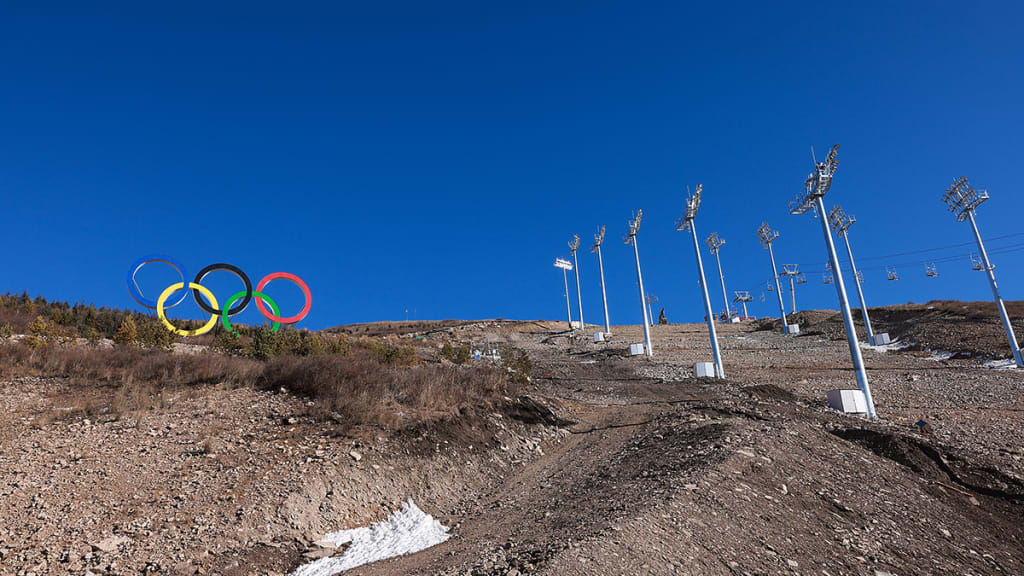
The Olympic Games are one of the most celebrated global events, bringing together nations in a showcase of athletic excellence, unity, and cultural exchange. However, beyond the spectacle, the Olympics have far-reaching implications for global issues such as climate change and poverty. This essay examines how the Games influence these pressing challenges, offering both opportunities and challenges for sustainable development.
(I)The Olympics and Climate Change
The Olympic Games are massive undertakings that significantly impact the environment. Host cities often undergo extensive construction, including new stadiums, transportation systems, and accommodations. These activities contribute to greenhouse gas emissions, deforestation, and other environmental stresses.
Despite these challenges, the Olympics have increasingly embraced sustainability as a core principle. The International Olympic Committee (IOC) has introduced initiatives to minimize environmental impact. The 2020 Tokyo Olympics, for instance, emphasized sustainability by using recycled materials for medals and constructing venues with renewable energy sources. The Paris 2024 Games aim to be the most sustainable yet, with plans for a carbon-neutral footprint achieved through renewable energy and offsetting mechanisms. These efforts highlight how the Olympics can serve as a platform for promoting environmental awareness and innovation.
However, the effectiveness of these initiatives remains debatable. Critics argue that carbon offsets and other measures often fail to address the root causes of emissions. Moreover, the transient nature of the Games means that many green initiatives are not sustained beyond the event. For the Olympics to truly impact climate change, they must adopt more systemic approaches, such as prioritizing existing infrastructure and advocating for global environmental policies.
(I)The Olympics and Poverty
The economic implications of hosting the Olympics are profound, particularly for cities in developing or economically strained countries. Governments often justify the immense costs of hosting by citing potential economic benefits, including job creation, tourism, and urban development. However, the reality is often more complex and less beneficial, especially for marginalized communities.
In many cases, the Olympics exacerbate poverty and inequality. Preparations for the Games frequently involve large-scale displacement of low-income residents to make way for new infrastructure. For example, an estimated 1.5 million people were displaced in Beijing ahead of the 2008 Olympics. In Rio, entire favelas were demolished, leaving many residents without adequate compensation or alternative housing.
Furthermore, the economic benefits of hosting are often overstated. While some sectors, such as hospitality and tourism, may experience short-term boosts, these gains are frequently offset by the long-term costs of maintaining underutilized facilities. The "white elephant" phenomenon—referring to expensive, unused stadiums—is a common issue, as seen in Athens after the 2004 Games.
On the other hand, the Olympics can serve as a catalyst for positive change if managed effectively. Investments in infrastructure can provide lasting benefits, such as improved transportation systems and public facilities. The Barcelona 1992 Olympics, for example, are often cited as a success story in urban revitalization. Additionally, the global attention the Games attract can spotlight social issues, encouraging governments and organizations to address poverty and inequality more proactively.
(II)Balancing Opportunities and Challenges
To maximize the positive impact of the Olympics on global issues like climate change and poverty, a more integrated and inclusive approach is necessary. The following strategies could help achieve this balance:
- Sustainable Infrastructure Development: Host cities should prioritize the use of existing facilities and focus on modular, temporary structures that minimize environmental and economic costs.
- Community Engagement: Inclusive planning processes can help ensure that marginalized communities benefit from Olympic-related developments rather than being displaced or excluded.
- Transparency and Accountability: Independent audits and public reporting on environmental and social impacts can hold organizers accountable and foster trust.
- Global Collaboration: The Olympics can serve as a platform for international cooperation on sustainability and social equity, inspiring collective action through high-profile initiatives.
- Long-term Planning: Host cities should integrate Olympic projects into broader urban and environmental strategies to ensure lasting benefits.
In The End
The Olympics have the potential to either exacerbate or alleviate global challenges like climate change and poverty. While the Games often place significant strains on host cities, they also offer unique opportunities to advance sustainability and social equity. By adopting more holistic and inclusive approaches, the Olympics can evolve into a force for positive global change. Ultimately, the responsibility lies not only with the IOC and host cities but also with participating nations, sponsors, and the global community to ensure that the Olympic legacy aligns with the principles of sustainable development.
About the Creator
Badhan Sen
Myself Badhan, I am a professional writer.I like to share some stories with my friends.
Keep reading
More stories from Badhan Sen and writers in Gamers and other communities.
THE INFLUENCE OF THE OLYMPICS ON THE GLOBAL FEMINIST MOVEMENT
The Olympic Games, a global spectacle showcasing athleticism and unity, have played a pivotal role in shaping the global feminist movement. By providing a stage for women athletes to display their prowess, the Olympics have helped challenge traditional gender roles, dismantle stereotypes, and inspire societal change. This article delves into the multifaceted ways the Olympics have influenced feminism worldwide, from breaking barriers in sports to catalyzing broader discussions on gender equality.
By Badhan Senabout a year ago in Gamers
My Top 25 NES Games
The Nintendo Entertainment System, or the Famicom in Japan, is the earliest console I have any direct experience of. We didn’t have a NES in our house when we were kids. I was a bit sniffy of it actually, viewing it as old-fashioned and before my time (I was born in 1984, between the Japanese and Western releases of the system). It was years later that I started to appreciate earlier games and hardware. I played the NES round friends’ houses and, eventually, well into adulthood, someone decided to get rid of theirs and now we had our own Family Computer.
By Daniel Tessier3 days ago in Gamers
Resident Evil 4 Remake Will Terrify You More Than You Ever Expected
Few horror games have left a legacy as powerful as Resident Evil 4 Remake. Developed and published by Capcom, this modern reimagining of a classic brings new life to one of the most influential titles in gaming history. Available on Xbox, it blends nostalgia with cutting-edge design to create an experience that feels both familiar and completely new.
By Lukáš Hrdlička6 days ago in Gamers
Guard Your Battery
Why are some people so attractive just by standing there? It’s not because they are "likable," but because they don’t need everyone to like them. I realized later that truly charismatic people allow themselves to be criticized, but they never criticize themselves. They never try to please the world; instead, the world stops to watch them.
By Emily Chan - Life and love sharing5 days ago in Poets


Comments (1)
Very nice