
THE INFLUENCE OF THE OLYMPICS ON THE GLOBAL FEMINIST MOVEMENT
Uniting Women Worldwide:The Olympics as a Catalyst for Feminist Progress


The Olympic Games, a global spectacle showcasing athleticism and unity, have played a pivotal role in shaping the global feminist movement. By providing a stage for women athletes to display their prowess, the Olympics have helped challenge traditional gender roles, dismantle stereotypes, and inspire societal change. This article delves into the multifaceted ways the Olympics have influenced feminism worldwide, from breaking barriers in sports to catalyzing broader discussions on gender equality.
Breaking Barriers in Sports
Historically, women were excluded from participating in the Olympics. The ancient Olympic Games, held in Greece, were male-dominated events where women were prohibited from competing or even spectating. However, with the revival of the modern Olympics in 1896, the seeds of change were sown. Despite women being barred from the inaugural Games, their participation began to take root in 1900, when 22 women competed in five sports: tennis, sailing, croquet, equestrianism, and golf. This marked the beginning of a slow but steady journey toward gender parity in sports.
The inclusion of women in traditionally male-dominated sports, such as weightlifting and wrestling, has been a significant milestone. These events not only highlight women's physical capabilities but also challenge societal perceptions of femininity. The accomplishments of athletes like Nadia Comăneci, Serena Williams, and Simone Biles have further emphasized that excellence in sports transcends gender, inspiring young girls worldwide to pursue their athletic dreams.
Amplifying Women's Voices
The Olympics have provided a platform for women to voice their concerns and advocate for equality. Female athletes have used their visibility to draw attention to issues such as pay disparities, lack of resources, and discrimination. For instance, the U.S. women’s soccer team, led by Megan Rapinoe, has been vocal about the gender pay gap in sports, igniting global discussions on fair compensation.
Moreover, the International Olympic Committee (IOC) has increasingly emphasized gender equality. Initiatives such as the introduction of mixed-gender events and the goal of achieving gender parity in athlete participation have underscored the Olympics’ commitment to inclusivity. These efforts not only elevate women’s presence in sports but also resonate with broader feminist goals of equal opportunities in all spheres of life.
Inspiring Societal Change
The visibility of women athletes on the Olympic stage has profound implications beyond sports. Their performances challenge deep-seated stereotypes about women’s physical and mental capabilities, fostering a culture of empowerment. The triumphs of female athletes from diverse backgrounds highlight the intersectionality of feminism, showcasing that race, ethnicity, and socio-economic status are integral to the conversation about Gender equality.
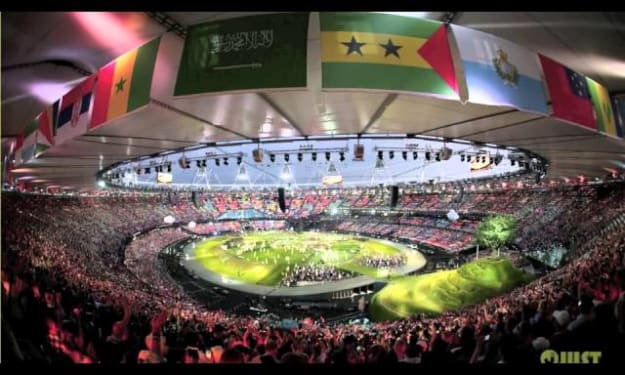
For instance, the participation of women from conservative societies, such as Saudi Arabia’s Sarah Attar in the 2012 London Games, has been a powerful symbol of progress. Her participation signified a breaking of cultural taboos and served as an inspiration for countless women in similar contexts to defy societal norms.
Addressing Challenges
While significant strides have been made, challenges persist. Media coverage of the Olympics often reflects gender biases, with a disproportionate focus on women’s appearances rather than their athletic achievements. Additionally, many women athletes face systemic barriers, including limited access to training facilities, sponsorships, and professional opportunities compared to their male counterparts.
The feminist movement has leveraged these disparities to push for systemic reforms. Advocacy groups and athletes themselves continue to demand equitable treatment, highlighting that the fight for gender equality in sports is far from over. The Olympics, as a microcosm of society, mirror these struggles, serving both as a battleground and a beacon for change.
A Catalyst for Global Feminism
The global reach of the Olympics ensures that the achievements and struggles of women athletes are visible to audiences worldwide. This visibility not only inspires individual empowerment but also galvanizes collective action. Movements advocating for equal pay, representation, and respect for women in all professions often draw parallels with the successes and challenges faced by female Olympians.
Moreover, the stories of resilience and triumph showcased during the Games have a ripple effect, influencing cultural norms and policies. Governments and organizations increasingly recognize the importance of investing in women’s sports, understanding that such investments have broader societal benefits, including improved health, education, and economic opportunities for women and girls.
In The End
The Olympics have been instrumental in advancing the global feminist movement by breaking barriers, amplifying women’s voices, and inspiring societal change. While challenges remain, the progress achieved thus far underscores the transformative power of sports as a vehicle for equality. As the Games continue to evolve, they hold the potential to further dismantle gender inequalities, fostering a world where women and men compete on truly equal footing—both on and off the field.
About the Creator
Badhan Sen
Myself Badhan, I am a professional writer.I like to share some stories with my friends.
Keep reading
More stories from Badhan Sen and writers in Gamers and other communities.
THE OLYMPICS AND THE GLOBALIZATION OF SPORTS
The Olympic Games are one of the most significant global events, uniting countries from around the world to celebrate athletic excellence. Since its inception in ancient Greece, the Olympics have evolved into a grand spectacle that is deeply intertwined with the globalization of sports. The modern Olympic Games, which began in 1896, are now a critical platform for international cooperation and competition, showcasing not only the prowess of athletes but also the influence of global media, technology, and politics. This essay explores the role of the Olympics in the globalization of sports, emphasizing how the Games promote cultural exchange, influence international relations, and shape the global sporting landscape.
By Badhan Senabout a year ago in Gamers
Anime Paradox Review – A Fresh Anime Tower Defense on Roblox
Anime Paradox is one of those Roblox games that quietly pulls you in and then suddenly you realize you’ve been playing for way longer than planned. At first glance, it looks like another anime-inspired tower defense, but after a few matches, it becomes clear that there’s more going on here. The mix of familiar anime vibes, strategic depth, and constant progression creates an experience that feels both comfortable and exciting. And yes, it’s worth mentioning right away that Anime Paradox has codes, which makes starting out and progressing much smoother, especially for new players.
By Serhii Biloshytskyi4 days ago in Gamers
Arc Raiders 2026 Gameplay Breakdown
Arc Raiders is one of the most anticipated cooperative action games expected to release in 2026. Developed by Embark Studios, the game has attracted strong interest in the U.S. because of its blend of tactical combat, cooperative play, and a science-fiction setting focused on survival rather than excess or shock value.
By Games Mode On2 days ago in Gamers



Comments (1)
Fantastic