
Crimson Desert: The Ambitious Open-World RPG That Might Actually Deliver
Is Crimson Desert an MMO or single-player?

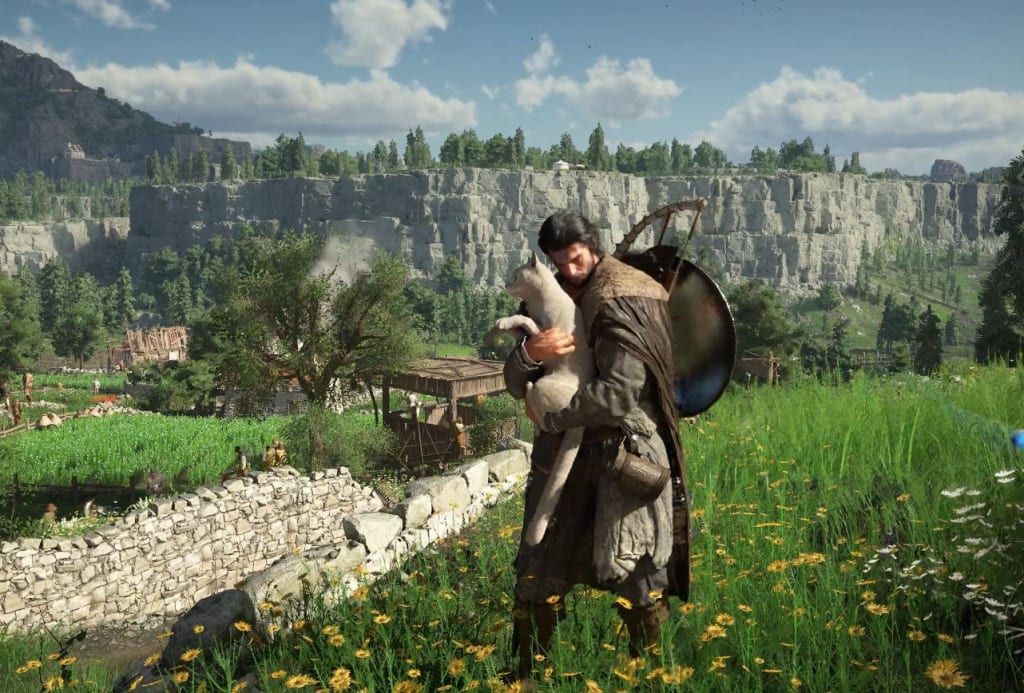
Crimson Desert is one of those massively ambitious games that only seem to surface every few years. The kind of project that appears out of nowhere, drops a stunning trailer, and instantly makes everyone ask the same question: Is this actually real?
We’ve seen attempts like this before—The Day Before being one of the most infamous examples—where early footage looked too good to be true and the final release became a disaster. But Crimson Desert feels different. Pearl Abyss is actively releasing raw gameplay, detailed developer breakdowns, and even allowing press and creators to play it early. And the reaction so far? Many are calling it a monster of a game.
The more details we get, the more it becomes clear that this isn’t just about visual spectacle. It’s about scale, density, physical interaction, and systemic depth. So let’s dive straight in.
A Massive World Designed With Purpose
Pearl Abyss keeps mentioning comparisons to games like Red Dead Redemption 2 and Skyrim, and that understandably makes some players tune out. Bigger isn’t always better. We’ve had plenty of open worlds that were huge but empty—more marketing bullet point than meaningful design.
But here, the message isn’t simply “big world.” It’s what’s inside that world.
The continent of Pywell is reportedly much larger than both RDR2 and Skyrim, but it’s described as:
- packed with cities and castles
- dotted with small villages and remote outposts
- layered with ruins, monster dens, and hidden regions
- filled intentionally, not procedurally scattered
This isn’t empty terrain stretched for hype. It’s a world built with distinct regions, each shaped by local threats, factions, and environmental conditions.
Biomes That Actually Change How You Play
One of the standout design philosophies is that moving from one area to another doesn’t just change scenery—it changes gameplay.
Different biomes introduce new challenges:
- Snowy mountains sap stamina and affect traversal.
- Dense forests limit visibility and alter stealth encounters.
- Open plains support mounted combat and large-scale battles.
- Coastal and underwater zones offer naval travel and aquatic threats.
The world isn’t just visually rich—it’s reactive, layered, and dangerous in ways that shape player decisions.
A Living Ecosystem of Wildlife and Monsters
Creatures in Crimson Desert aren’t just background decoration. They exist as part of a functioning ecosystem.
Players can:
- hunt wild animals for resources
- encounter predators naturally during exploration
- tame rare beasts, including dragons, as mounts
These systems aren’t scripted gimmicks. Taming and interacting with wildlife ties into progression, transport, and survival, giving each creature unique strengths and limitations.
Monsters roam freely, defend areas, or only appear under specific conditions. Castles operate as high-risk locations with elite monsters and environmental hazards, while towns serve as social hubs where politics and world events become visible.
Traversal Built on Real Physics
Traversal is physical, intuitive, and unrestricted by typical game “rules.”
You can:
- climb cliffs, towers, and walls wherever physics allow
- glide across long distances or escape danger
- dive into underwater paths and explore sunken ruins
Nothing is confined to preset handholds. Movement in Crimson Desert aims to feel organic and player-driven, not on rails.
Living, Working, Surviving Inside the World
Crimson Desert leans heavily into systems that make the world feel lived in.
Housing Has Actual Function
Owning a house gives you space to:
- store equipment
- cook meals
- rest and recover
These activities directly impact stamina, combat readiness, and long-distance exploration. They’re not mandatory, but they reward players who engage with them.
Combat With Weight, Momentum, and Destruction
Combat in Crimson Desert is built around physical impact and environmental interaction. Enemies respond dynamically to:
- terrain
- momentum
- elevation
- destructible objects
Mounted combat seamlessly transitions from horseback to on-foot fighting without awkward animations or breaks.
Boss encounters can span entire regions, where collapsing structures and shifting terrain change the flow of battle in real time instead of locking players into static arenas.
NPCs Behave Like They Actually Live There
NPC behavior reinforces the idea of a breathing world:
- townspeople have daily routines
- crowds react to storms or threats
- structures show damage instead of magically resetting
The world changes based on what happens, and it doesn’t always wait for the player.
A Story Driven by Politics and Consequences
The narrative centers around Cliff, a defined protagonist tied directly to the world’s instability. This isn’t a simple good-versus-evil storyline. It’s about fractured alliances, shifting power, and regional conflicts.
Player choices aren’t handled through giant dialogue trees—they’re expressed through actions, allegiances, and consequences.
Who you help matters. Who you abandon matters even more.
Side Activities That Actually Impact the World
Side content isn’t filler. Hunting, exploration, trading, faction missions, and combat contracts all feed into:
- reputation
- regional stability
- resource availability
Everything you do ties into the ecosystem instead of acting as isolated mini-games.
Weather and Environmental Simulation That Changes Gameplay
Pearl Abyss is pushing real simulation systems:
- fog affects detection and stealth
- wind impacts gliding and ranged attacks
- fire spreads dynamically
- water reacts realistically
- storms alter traversal and visibility
These aren’t visual effects—they directly influence how encounters and exploration unfold.
Ambition Without Live-Service Baggage
One refreshing detail: nothing so far suggests live-service mechanics or monetization-focused design. Crimson Desert appears to be a traditional single-player RPG with modern systems and ambitious simulation tech.
But with ambition always comes risk.
Large-scale systems are famously difficult to balance. Games aiming this high often struggle with consistency over long play sessions. That’s why the most realistic stance right now is cautious optimism.
Why Crimson Desert Deserves Attention
What makes Crimson Desert compelling isn’t just the checklist of features. It’s how all those systems appear to overlap in meaningful ways.
This is a world that pushes back.
Traversal, survival, combat, and exploration all hinge on preparation and understanding the environment. There’s little handholding. Exploration feels motivated by curiosity, not a map full of icons.
Time, weather, NPC routines, and political shifts all imply a world that moves forward with or without the player.
If Pearl Abyss pulls it off, Crimson Desert could become one of the most influential open-world RPGs in years.
About the Creator
Keep reading
More stories from Info Post Gate and writers in Gamers and other communities.
Code Violet Review: A Dino Crisis Dream or a Prehistoric Misfire?
Let’s get something straight right from the top—you’re not here for sugar-coating. Code Violet is not a good game. If you saw a few stylish (and sometimes not-so-tasteful) screenshots of its stunning brunette protagonist tangling with dinosaurs and thought, “Hmm, maybe I’ll pick this up just to admire the view,”—hey, no judgment… well, maybe a little.
By Info Post Gate2 months ago in Gamers
Rsvsr Master Monopoly GO: Daily Strategies for Maximum Rewards
Monopoly GO takes the classic board game to a whole new level, combining strategy, chance, and real-time events with a wealth of rewards. Whether you’re a casual player or a competitive strategist, understanding daily events and planning your gameplay is essential to maximize progress and earn more dice, cash, and rare items.
By Billo Nali2 days ago in Gamers
TUS NUA - ch 53
TUS NUA – ch 53 New Beginnings – Mia and Midnight (*)(*)(*) Finola knew Ali’s brother-in-law needed to put his mind at rest. She fed her arm through his and led him outside. “We’ll sit here. If you like, I can put a block around us so our conversation will be private.”
By Margaret Brennan7 days ago in Fiction


Comments
There are no comments for this story
Be the first to respond and start the conversation.