
OLYMPIC CEREMONIES:A FUSION OF CULTURE AND SPORT
Olympic Games:Opening and Closing Ceremonies.

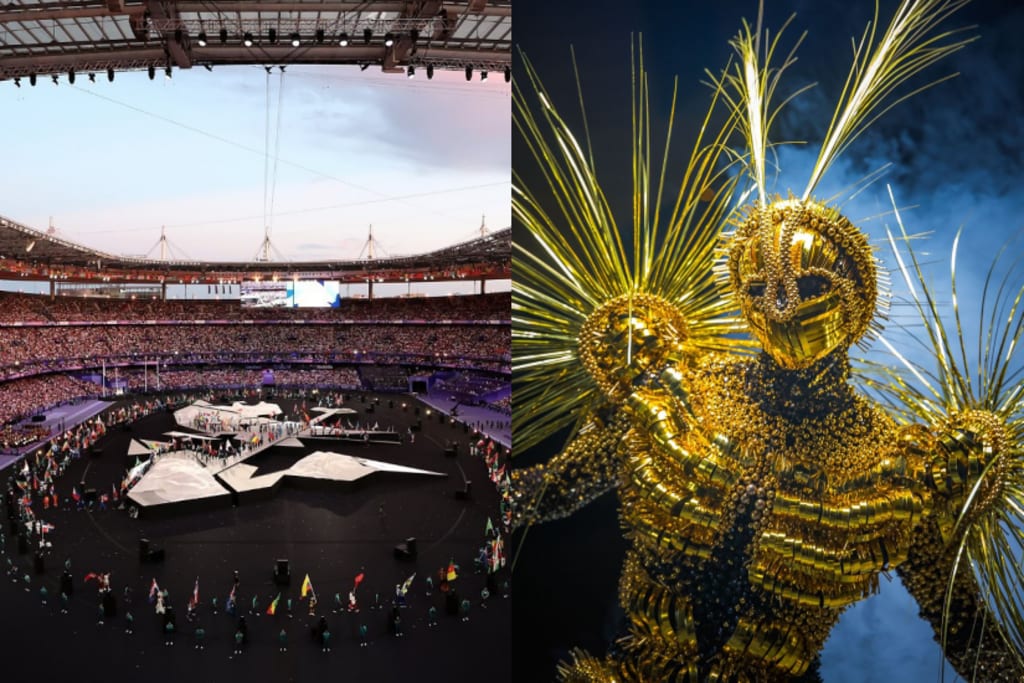
The Olympic Games, held every four years, are not only a celebration of athletic prowess but also a grand stage for showcasing the rich tapestry of human culture. Among the many spectacles of the Games, the Olympic Ceremonies—the opening, closing, and medal ceremonies—stand out as iconic events that blend art, history, and sport into an unforgettable experience. These ceremonies are more than just formalities; they serve as global showcases of tradition, unity, and creativity, fostering a sense of camaraderie that transcends national borders.
(I)The Opening Ceremony: A Grand Introduction
The opening ceremony is the most eagerly anticipated and widely watched event of the Olympics. It sets the tone for the Games, providing a platform for the host nation to tell its story to the world. With millions of viewers globally, it is an opportunity to celebrate a country’s heritage, culture, and artistic achievements.
The ceremony typically begins with a vibrant cultural performance that highlights the host nation's history, traditions, and values. For example, the 2008 Beijing Olympics featured a meticulously choreographed display showcasing China's contributions to science, art, and technology, while the 2012 London Olympics celebrated British pop culture, literature, and history with scenes from Shakespearean drama to James Bond and Harry Potter.
The artistic program is followed by the Parade of Nations, where athletes from all participating countries march into the stadium under their national flags. This segment symbolizes the spirit of international unity and friendly competition, emphasizing the Olympic motto: Citius, Altius, Fortius (Faster, Higher, Stronger). The parade ends with the entry of the host country's delegation, often met with thunderous applause.
A highlight of the opening ceremony is the lighting of the Olympic flame, a tradition rooted in ancient Greece. The flame, transported via a global torch relay, signifies continuity between the ancient and modern Games. The lighting process often involves elaborate theatrics and suspenseful storytelling, such as the archer who lit the cauldron with a flaming arrow in the 1992 Barcelona Olympics or the spectacular ring of fire ignited in the 2016 Rio Olympics.
(II)The Closing Ceremony: A Farewell and a Look Ahead
The closing ceremony marks the official end of the Games and is characterized by a mix of celebration and nostalgia. It provides an opportunity for athletes and spectators to reflect on the triumphs and camaraderie experienced during the competition.
Central to the closing ceremony is the handover segment, where the Olympic flag is passed from the current host city to the next, symbolizing the continuation of the Games' legacy. For instance, during the 2021 Tokyo Olympics, the flag was handed over to Paris, which will host the 2024 Summer Olympics.
Another poignant moment is the extinguishing of the Olympic flame, which signifies the conclusion of the Games. This act is often accompanied by emotional performances and music, leaving spectators with a sense of longing and anticipation for the next Olympiad.
(III)The Medal Ceremonies: Honoring Excellence
Throughout the Games, the medal ceremonies serve as intimate moments of triumph and recognition for the athletes. Held at various competition venues or in central locations, these ceremonies are a celebration of hard work, perseverance, and excellence.
The award podium, with gold, silver, and bronze winners standing on its tiers, represents the pinnacle of athletic achievement. As each medalist receives their prize, the national anthem of the gold medalist's country is played, and their flag is raised. These moments are not only deeply personal for the athletes but also a source of pride for their nations.
The medal ceremonies encapsulate the spirit of fair play and respect, as athletes from diverse backgrounds come together to celebrate each other's successes. They remind us that the Olympics are not just about winning but also about fostering friendships and understanding through sport.
(IV)Cultural Significance and Global Impact
Olympic ceremonies are a microcosm of humanity's shared history and aspirations. By blending elements of art, music, dance, and sport, these events convey powerful messages about peace, unity, and resilience.
The ceremonies often reflect the sociopolitical context of their time. For example, the 1980 Moscow Olympics and the 1984 Los Angeles Olympics were steeped in Cold War tensions, while the 2000 Sydney Olympics celebrated reconciliation with Australia's Indigenous communities. In more recent Games, themes like sustainability, diversity, and innovation have taken center stage, as seen in the 2020 Tokyo Olympics, which incorporated advanced technology and highlighted the global fight against COVID-19.
End
The Olympic ceremonies are far more than grand spectacles; they are powerful narratives that unite the world in celebration of human potential. By fusing cultural expression with the spirit of competition, these ceremonies create a legacy that lingers long after the Games conclude.
As the world gathers every four years to witness these events, the Olympic ceremonies remind us of the values that bind humanity together—peace, respect, and the unyielding pursuit of excellence. Whether through the lighting of the flame, the music of the closing ceremony, or the emotional triumph of a medal ceremony, the Olympics leave an indelible mark on hearts worldwide, reaffirming the timeless motto: "The Games must go on."
About the Creator
Badhan Sen
Myself Badhan, I am a professional writer.I like to share some stories with my friends.
Keep reading
More stories from Badhan Sen and writers in Gamers and other communities.
THE RELATIONSHIP BETWEEN THE OLYMPICS AND MEDIA COVERAGE
The Olympics, a global sporting spectacle, is much more than a competition; it is a platform that intertwines sports, culture, politics, and media on a global scale. Media coverage plays a pivotal role in shaping how the Games are perceived, experienced, and remembered by billions worldwide. From its early roots in print and radio to the contemporary dominance of digital and social media, the relationship between the Olympics and media has evolved significantly, reflecting broader societal changes.
By Badhan Senabout a year ago in Gamers
How Fan Translations Keep Games Alive After Official Support Ends
A video game translation company usually enters a project at the cleanest moment, when budget is great and source files are organized. Developers answer questions. Everyone assumes the game has a future.
By CCJK Technologies7 days ago in Gamers
U4gm How Negative Rarity Farming Is Changing PoE 2 Endgame
Path of Exile 2 is all about loot, but not all loot is equal. Recently, an unusual strategy has gained traction among endgame players: Negative Rarity farming. At first glance, it seems counterintuitive—why would anyone want fewer rare drops? The answer lies in efficiency, crafting control, and consistent profit. Negative Rarity farming in PoE 2 turns seemingly worthless white items into a reliable and strategic source of crafting materials and steady endgame profit.
By Billo Nali6 days ago in Gamers
How to Succeed at the Benson Directory®
Congratulations and welcome to the Benson Directory® employee #22391! As our newest call handler, you will have the privilege of speaking with dozens of unique and interesting people on a daily basis as well as the opportunity to earn bonuses for high performance. Contained within this handbook you will find a set of ease to follow instructions designed to help you settle in to your new role and begin paving the way to success.
By S. A. Crawford3 days ago in Fiction




Comments (1)
This is quite the review of what ceremony is all about and bringing people together to celebrate humanity in all its forms.