
HOW THE INTERNATIONAL OLYMPIC COMMITTEE PLANS TO ADDRESS ENVIRONMENTAL CHALLENGES
IOC's Strategy for Tackling Global Environmental Issues.

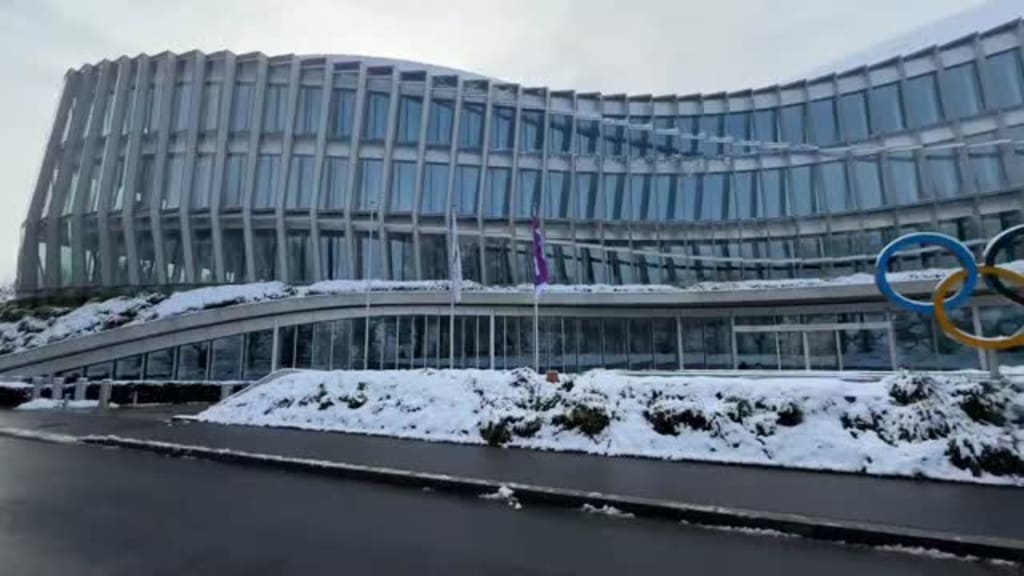
The International Olympic Committee (IOC) has long recognized the importance of sustainability in its operations and events. As the governing body responsible for the Olympic Games, the IOC is at the forefront of promoting environmental awareness and addressing challenges that threaten the ecological balance. In recent years, the organization has stepped up its efforts, implementing a series of policies and initiatives aimed at mitigating environmental impacts and fostering sustainable practices across all facets of the Games.
The IOC’s Sustainability Strategy
In 2017, the IOC launched its Sustainability Strategy, which aligns with the United Nations’ Sustainable Development Goals (SDGs). This comprehensive approach encompasses five focus areas: infrastructure and natural sites, sourcing and resource management, mobility, workforce, and climate. The strategy provides a blueprint for host cities, organizers, and other stakeholders to minimize the environmental footprint of the Games while leaving a positive legacy for local communities.
Infrastructure and Natural Sites
One of the key elements of the IOC’s approach is the sustainable design and construction of venues. Host cities are encouraged to prioritize the use of existing facilities and temporary structures to avoid unnecessary construction. When new venues are required, the IOC advocates for environmentally friendly designs that integrate renewable energy sources and minimize resource consumption. For instance, the Tokyo 2020 Olympics emphasized the use of recycled materials in constructing venues, such as the Olympic Village Plaza, which was made entirely of sustainably sourced wood.
Sourcing and Resource Management
The IOC promotes responsible sourcing practices to ensure that materials and goods used during the Games adhere to strict environmental and ethical standards. This includes reducing single-use plastics, prioritizing recyclable and biodegradable materials, and adopting a circular economy model. At the Paris 2024 Olympics, organizers plan to achieve a 50% reduction in waste compared to previous Games by implementing extensive recycling programs and encouraging the reuse of materials.
Mobility and Transportation
Transportation is a significant contributor to the carbon footprint of the Olympic Games. To address this, the IOC encourages the development of low-carbon mobility solutions, such as electric vehicles, public transportation, and cycling infrastructure. The Beijing 2022 Winter Olympics demonstrated a strong commitment to green mobility by deploying a fleet of hydrogen-powered buses and building an extensive high-speed rail network connecting key venues.
Tackling Climate Change
The IOC has committed to becoming a climate-positive organization by 2024. This ambitious goal involves reducing greenhouse gas emissions across its operations and compensating for more than 100% of its remaining emissions through carbon offset programs. Host cities are also required to integrate climate action plans into their preparations. For example, the Los Angeles 2028 Olympics aims to be the first energy-positive Games, generating more renewable energy than it consumes.
To further underscore its commitment to climate action, the IOC joined the Sports for Climate Action Framework, an initiative led by the United Nations Framework Convention on Climate Change (UNFCCC). This partnership encourages sports organizations to adopt measures that align with the Paris Agreement’s goal of limiting global temperature rise to 1.5°C.
Collaboration with Stakeholders
The success of the IOC’s environmental initiatives hinges on collaboration with various stakeholders, including host cities, national Olympic committees, athletes, sponsors, and non-governmental organizations. By fostering partnerships and sharing best practices, the IOC aims to create a ripple effect that extends beyond the Games and inspires broader societal change.
Athletes, in particular, play a vital role as ambassadors for sustainability. The IOC actively engages athletes in its environmental campaigns, providing them with platforms to raise awareness about pressing issues such as climate change, biodiversity loss, and pollution. Initiatives like the Olympic Forest Project, which aims to plant 355,000 trees in Mali and Senegal, highlight the tangible impact of these collective efforts.
Measuring and Reporting Progress
Transparency and accountability are integral to the IOC’s sustainability efforts. The organization regularly publishes reports detailing the environmental performance of each edition of the Games. These reports assess factors such as carbon emissions, energy consumption, waste management, and biodiversity conservation, providing valuable insights for future improvements.
The IOC has also introduced the Sustainability Essentials framework, a set of guidelines that helps host cities and organizers integrate sustainability into their planning and decision-making processes. By tracking progress and learning from past experiences, the IOC ensures that its environmental initiatives remain effective and relevant.
Challenges and Opportunities
Despite significant progress, the IOC faces ongoing challenges in addressing environmental issues. Balancing the economic and logistical demands of hosting the Games with sustainability goals can be complex, particularly in regions with limited resources or infrastructure. Additionally, the global nature of the Olympics means that large-scale international travel and associated carbon emissions remain a concern.
However, these challenges also present opportunities for innovation. The IOC continues to explore emerging technologies and practices, such as carbon capture, renewable energy storage, and digital solutions for virtual participation, to enhance the sustainability of the Games. By leveraging its influence and resources, the IOC can drive transformative change within the sports industry and beyond.
In The End
The International Olympic Committee’s commitment to addressing environmental challenges reflects its broader mission to promote a harmonious balance between sports, society, and the planet. Through strategic planning, collaboration, and innovation, the IOC is paving the way for a more sustainable future. While challenges remain, the progress achieved thus far demonstrates the potential of sports to be a powerful catalyst for environmental stewardship and global cooperation.
About the Creator
Badhan Sen
Myself Badhan, I am a professional writer.I like to share some stories with my friends.
Keep reading
More stories from Badhan Sen and writers in Gamers and other communities.
THE LEGACY OF THE 1996 ATLANTA OLYMPICS AND ITS CHALLENGES
The 1996 Atlanta Olympics, officially known as the Centennial Olympic Games, marked a significant moment in both the history of the Olympics and the city of Atlanta itself. As the Games celebrated the 100th anniversary of the modern Olympic movement, it brought together countries from around the world for a global spectacle. However, the legacy of the 1996 Atlanta Olympics is mixed, characterized by both achievements and challenges that continue to shape the city and the Games' reputation today.
By Badhan Senabout a year ago in Gamers
Winning the Deal: Sports Tactics That Strengthen Lending Strategy
Every great sports team begins with preparation. Baseball managers study pitchers, hitters, and field positions before the game starts. Football coaches review game film and plan plays based on the opponent’s defense. In the same way, lenders should prepare carefully before any negotiation begins. Preparation builds clarity and confidence. It also helps lenders see risks early and avoid costly mistakes. For this reason, many successful professionals rely on a clear lending negotiation strategy before entering a financial discussion.
By James Cretella6 days ago in Gamers
Rsvsr Holy-Themed Skills in Path of Exile 3.28 Mirage: New Builds and Reworks
The release of Path of Exile 3.28 “Mirage” brings an exciting wave of content for players who love Holy-themed builds. With brand-new skills, reworked classics, and updated mechanics, this league offers fresh ways to dominate both packs of monsters and single-target encounters.
By Billo Nali3 days ago in Gamers



Comments (1)
Great, I like your writing style