
Golden Age Of Bond Games: From 'Agent Under Fire' to 'First Light'
More than two decades ago, Bond set out on a fresh mission: to forge a unique legacy in video games. The mission was well on course—until it suddenly ended. Or, so it seemed.

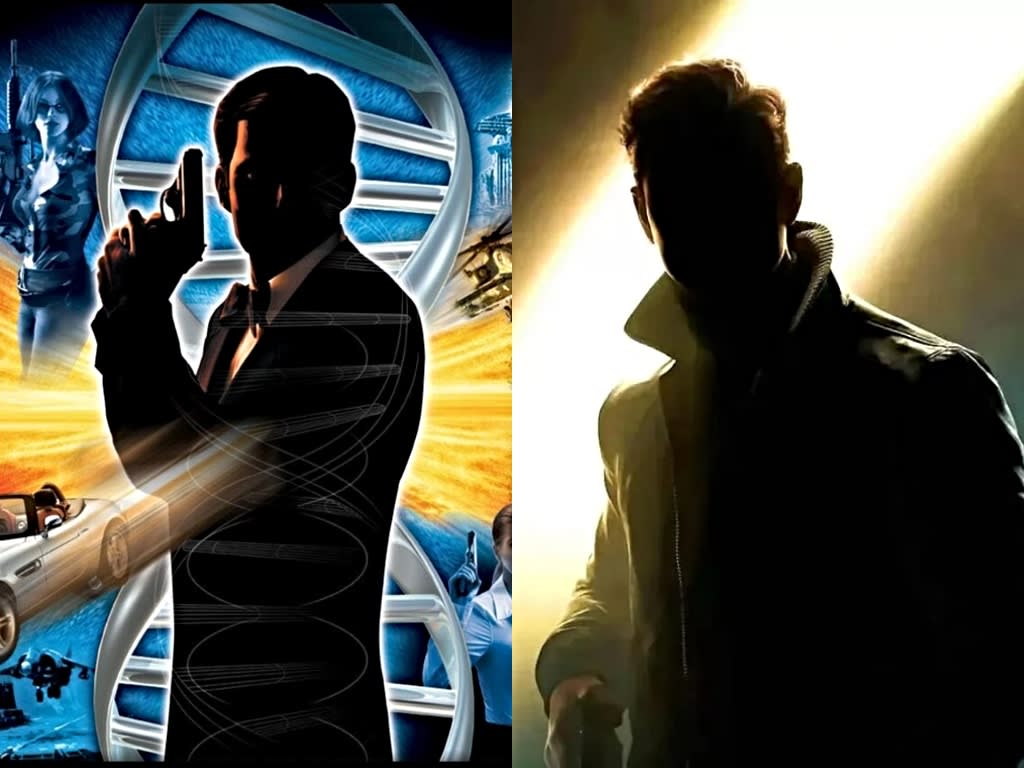
I didn’t realize it then, but looking back, it’s remarkable that some of my first true Bond experiences came not from the silver screen or the page, but from a controller. Agent Under Fire, Nightfire, and Everything or Nothing—three original Bond stories told through games—were among my clearest entries into this world, I have come to love. I didn’t compare them to the films. They were the films to me: cinematic, stylish, yet unburdened by the weight of the legacy Bond films carry.
Indeed, while Goldeneye for N64 revolutionized FPS gaming in general, these three were the games that went to create a brief golden age of Bond in gaming, proving just how far 007 could leap in this medium.
However, for years, it felt like this was as far as they would ever go—a legacy largely forgotten, seemingly kept alive only by the nostalgia of those, who were there. Until there was light. With the announcement of First Light, a spiritual successor in tone and ambition, that legacy suddenly feels rather alive again—and ready for a little revisitation.
So, let’s return—game by game—to that short, brilliant era, when Bond thrived in video games, and to the moment, two decades later, when the lights are coming back on.
'Agent Under Fire' (2001) – Establishing the Formula
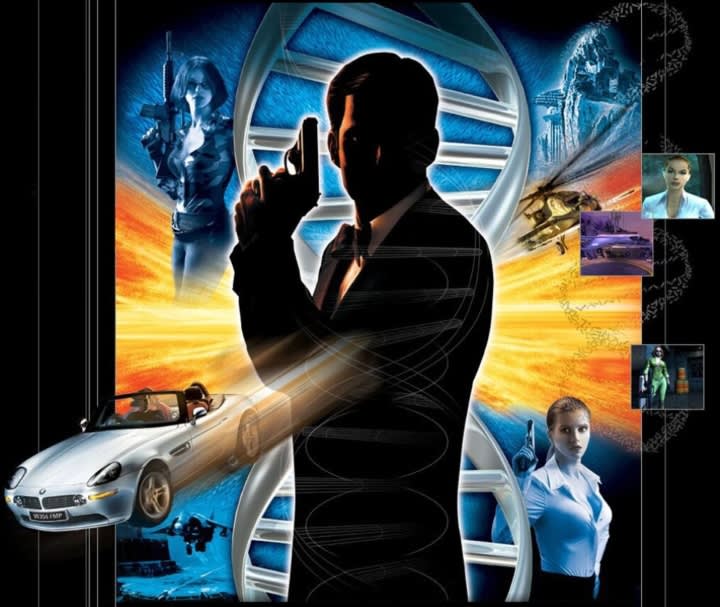
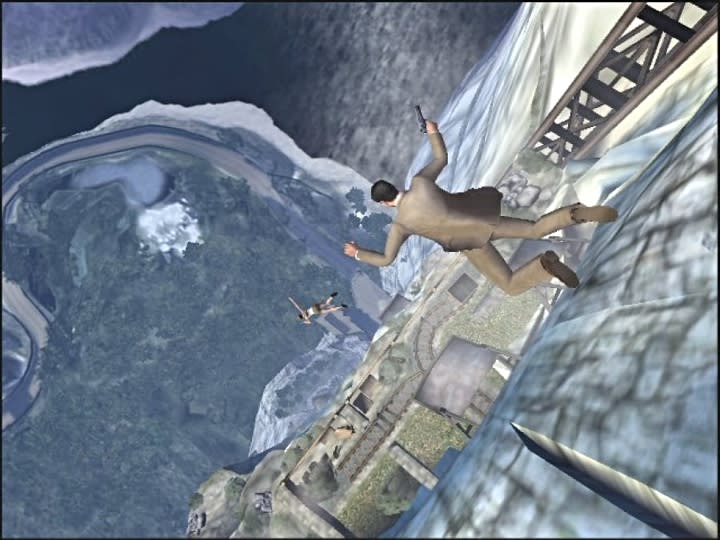
Often undeservedly overlooked by many gamers and Bond fans alike, Agent Under Fire didn’t have the most ambitious of origins. Starting its life as The World Is Not Enough tie-in game back in 1999, it was delayed and eventually reworked into an original storyline.
Now, while this rather circumstantial creation process meant that it was never going to be everything Bond could be in a video game format, this is the game that laid the groundwork and established the key pillars on which an original Bond game should stand: immersion, variety, and of course, style.
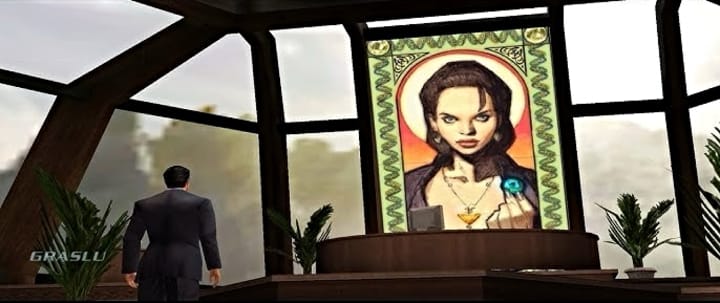
In terms of immersion, what this game captured perhaps even better than its more ambitious successors was the sense that you were witnessing the average working day for Bond. Featuring mission briefings at the start of each mission, it rooted the game in a daily operations vibe—exactly what you might picture Bond experiencing as he opens his laptop in the morning, probably while sipping something far too early for.
Granted, it wasn’t exactly a revolutionary concept—nor even the first time it had been done in a Bond game—but it did show me how video games can reveal iconic franchises from angles that films and books simply can’t.
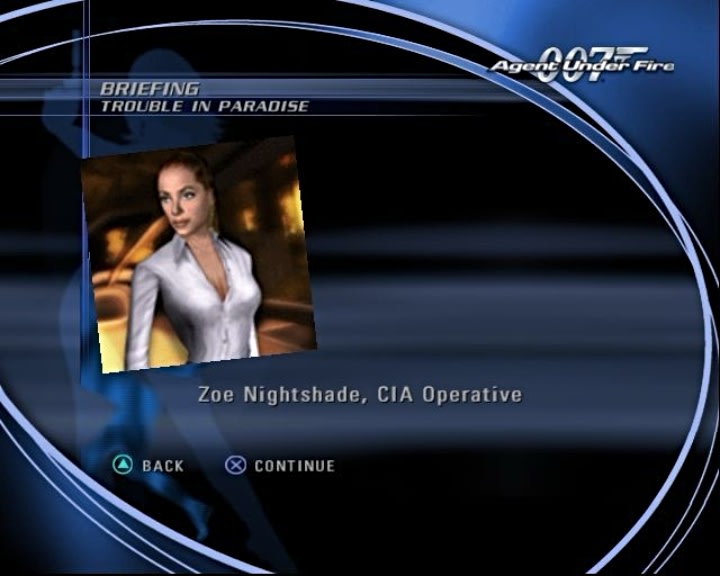
Get on with the mission, and the immersion continued with another aspect that came to define these early 2000s Bond games—“linear but open” design. While the missions were structured, they always featured multiple paths and ways to approach objectives. Your actions shaped Bond’s success—even affecting how he started the next mission.
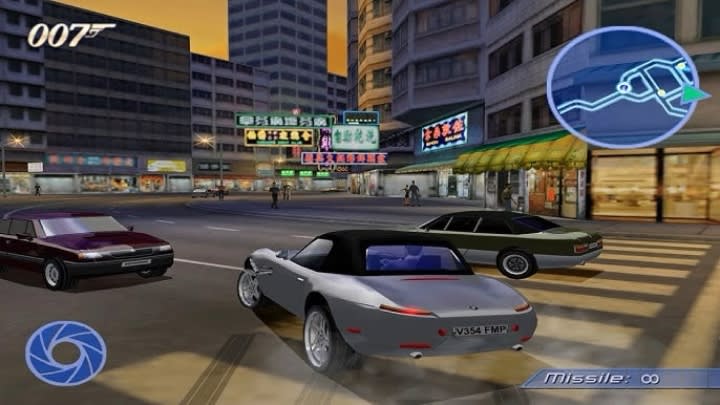
Adding to that were the driving sequences, which were essentially mini-sandboxes. Indeed, back in the day, while dreaming of getting to play GTA San Andreas, I had the streets of Hong Kong in a BMW Z8 and the streets of Bucharest in an Aston Martin DB5 to explore in the meantime.
Speaking of different missions, the game also understood that in order to truly capture the Bond vibe, you need variety—locations, mission types, pacing, and so on. With Bond, it should never be about nonstop action, but about a proper globetrotting journey. And yes, while Bond was indeed an agent under fire in this game, you never felt like you were powering through a mindless shooter. It had something more to it. It had variety, it had...
Well, panache, basically. While its successors improved upon this aspect massively, I sometimes forget just how delightfully smooth and dark this game is with its atmosphere and humor.
[after Carla the Jackal falls into a giant fan vent]
M: 007, did you confront the Jackal? What happened?
James Bond: She's fallen for me.
More importantly, it wasn’t just the occasional zinger that made you feel like you were in the Bond universe. This was the game that introduced Bond Moments—stylish actions that triggered the iconic Bond theme, rewarding the player’s flair. Use a gadget cleverly? Boom—Bond Moment. Find a secret path, or generally discover a cool way to complete your mission? That’s right. A Bond Moment.
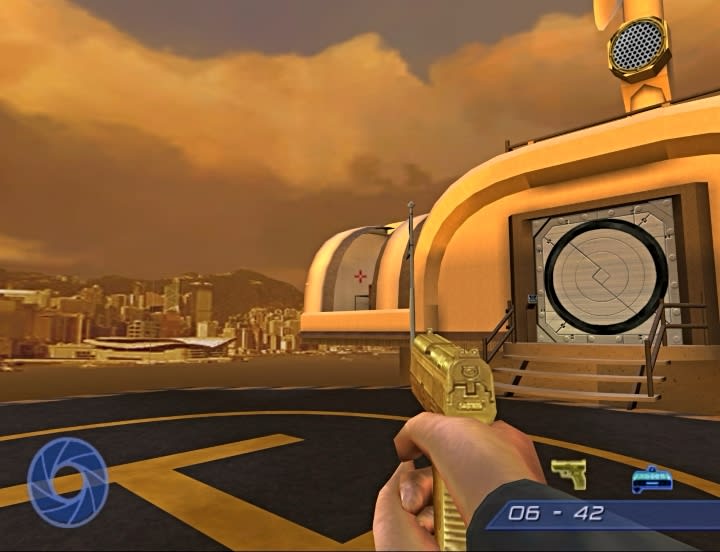
Cheesy? Definitely. Overdone? Absolutely. But it also served as a clear statement of intent from the creators: in this game, just like in its cinematic counterpart, the first path you encounter is rarely the best one.
Something that wasn’t cinematic, however, was Bond himself. Unable to use Brosnan’s likeness, EA created their own Bond—a cool, smooth, slightly exaggerated character, who looked and sounded like a mix of Brosnan and Moore, with voice actor Adam Blackwood clearly taking more inspiration from the latter. And yes, he does look like Archer.
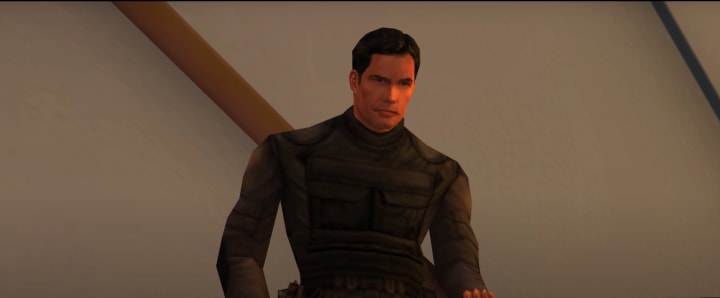
In fact, this is perhaps one thing that made the game unique, even compared to its more ambitious successors. Simply put, it presented a tantalizing idea: maybe the video game medium should indeed have its own unique Bond—one free to explore and embody Bond’s essence, detached from whatever is happening in the film studio and whoever is currently tied to the character on the silver screen.
Add to that a brisk yet well-structured story about cloning and replacing world leaders—a novel concept untouched by the movies—and Agent Under Fire’s legacy becomes unmistakably clear. While the formula wasn’t fully perfected here, the achievement in delivering this game under unlikely circumstances laid the groundwork for much bigger things to come.
'Nightfire' (2002) – Video Game Bond Gets Cinematic
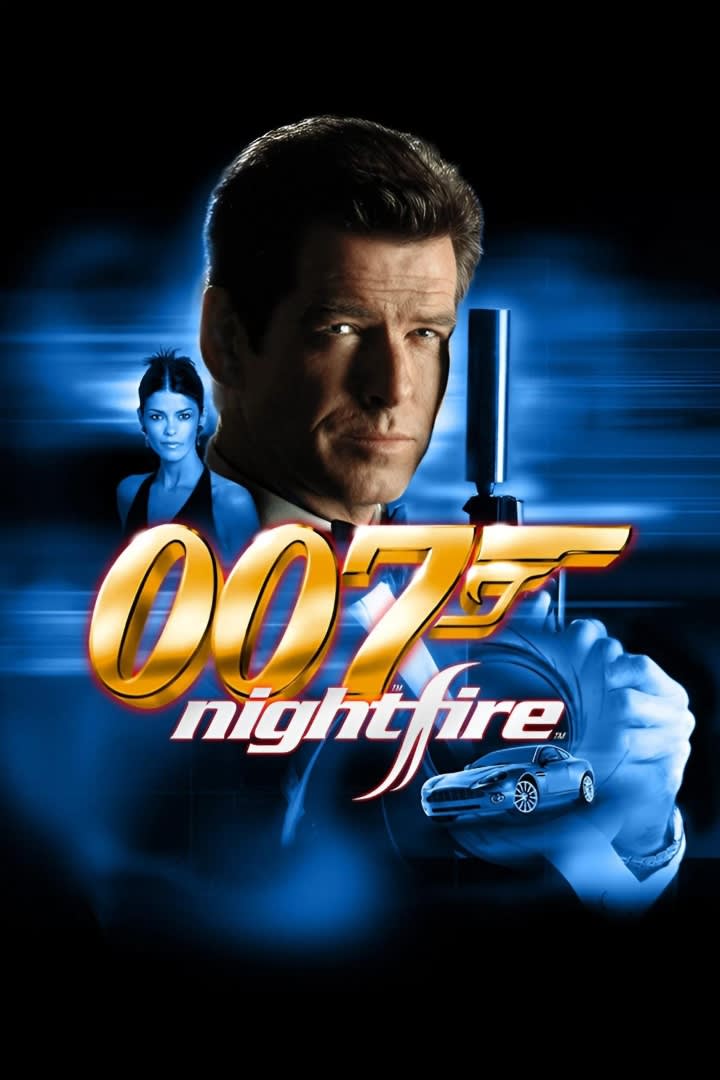
Still a favorite for many, Nightfire upped the ante on nearly everything Agent Under Fire built, adding a true Bond-movie feel—an original theme, sharper cinematics and score, and high-stakes drama centered on a classic, larger-than-life, space-obsessed villain. This wasn’t about making a good Bond game anymore—it was about creating the perfect one.
Arguably the most challenging of the trilogy, it pushed you to make full use of every tool at your disposal. On that note, both stealth and action options were expanded, offering even more ways to complete objectives and, of course, rewarding extra flair and style at every turn.
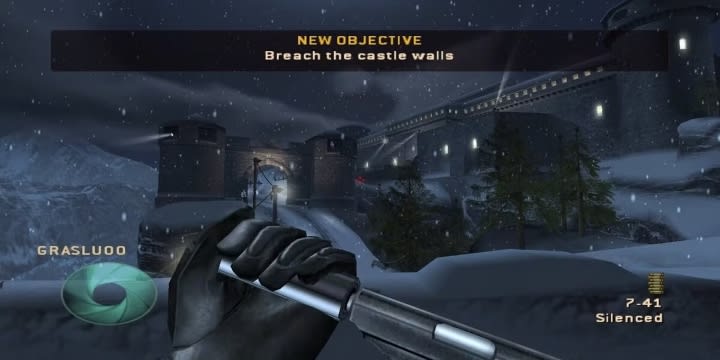
In fact, some missions felt almost Hitman-esque, with a wide range of approaches and plenty of quieter moments before the action erupted again—like slipping into a tux to explore a lavish party after sneaking into a castle in the Austrian Alps via one of several possible routes. Bond has always been about soaking in the atmosphere. And here, from the ocean depths to the reaches of space, Nightfire fired on all cylinders.
Granted, the driving sequences were more scripted this time around, but the game more than made up for it in every other department. In Bond department for example, Brosnan’s likeness was now front and center—bringing the experience a step closer to the lofty ambitions the developers clearly had.
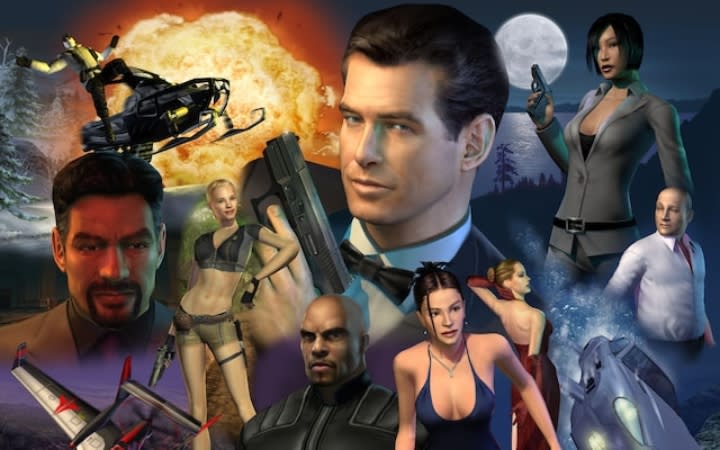
While this meant it was no longer a wholly original take on 007, the return of Zoe Nightshade from the previous game helped cement what was beginning to feel like Bond’s own video game universe. Returning also, were, of course, the Bond Moments along with a generous helping of one-liners.
Zoe Nightshade: I was looking for the powder room!
Austrian Guard: With lockpicks and a 9-millimeter?
Zoe Nightshade: Hey, it’s a tough neighborhood.
All this played out against a plot that was a classic Moonraker-esque Bond story in every sense—one that, in today’s crazy world, doesn’t even seem so crazy anymore. For many, this remains the quintessential Bond game, still unmatched. And I can’t fault them—Nightfire was, and still is, a brilliant addition to the Bond universe. However, EA’s most ambitious Bond title was yet to come.
'Everything or Nothing' (2004) – The High Watermark
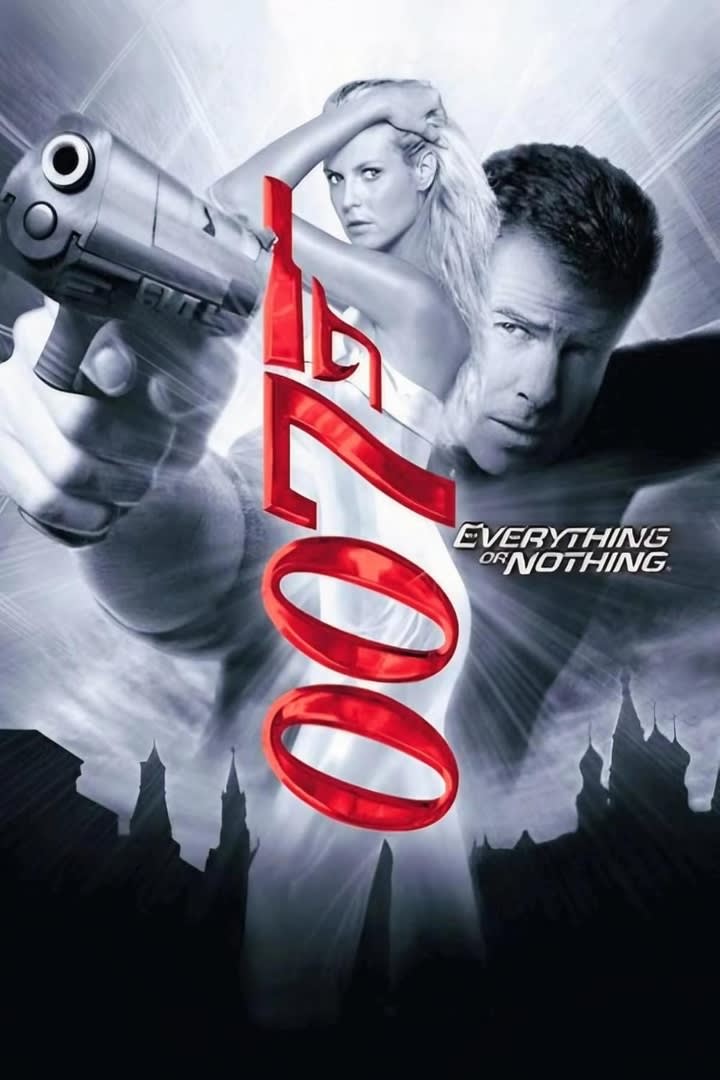
Still the most ambitious Bond game ever made, Everything or Nothing pushed the series into full-blown third-person territory, complete with Hollywood-level production values.
True to its name, it featured one of the most ambitious casts ever assembled for a video game: starting with Pierce Brosnan (in his last Bond role to date), alongside Willem Dafoe, Shannon Elizabeth, Heidi Klum, Judi Dench, and John Cleese, all adding their flair to what would have been a solid cast even by proper Bond movie standards.
Indeed, nearly everything about this game was conceived with the ambition of a Bond film—an original score with a famous singer (Mya), an original Bond car (Cayenne), unique locations and story, its own distinct look and feel, etc. In other words, ambitious enough that one could even consider it Brosnan’s true swan song as Bond. This was essentially a Bond movie you could play.
Speaking of playing, nearly everything Agent Under Fire and Nightfire had built was perfected here and pushed to the max by the technology of its time. With inventive gadgets and hugely upgraded combat mechanics, the freedom you had in this technically linear game was reminiscent of what the Uncharted franchise would become known for years later.
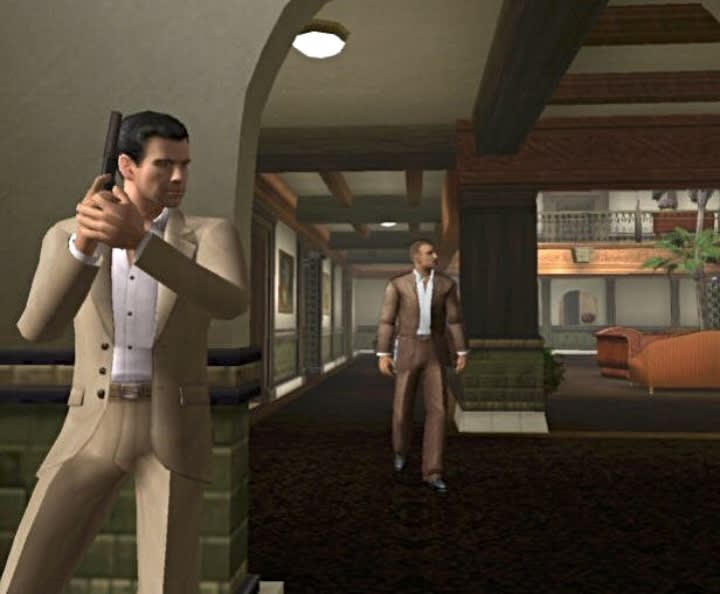
Stealth or combat? Fast or smart? Sleek or aggressive? You chose. Not only was the variety maxed out—driving, bike riding, shooting, rappelling, hacking, fistfighting, sneaking—but it also offered so many ways to complete missions that I’m still discovering new paths (and sometimes even new vehicles) more than 20 years after its release. Combine all of this with a hugely atmospheric globetrotting adventure that takes you through Egypt, Peru, New Orleans, Russia, and beyond, and you had a winner.
A win would also describe the game’s pacing. While certainly not light on action, the game beautifully broke up tension by letting you soak in the Bond experience—and more than any other Bond game, it took its time with it.
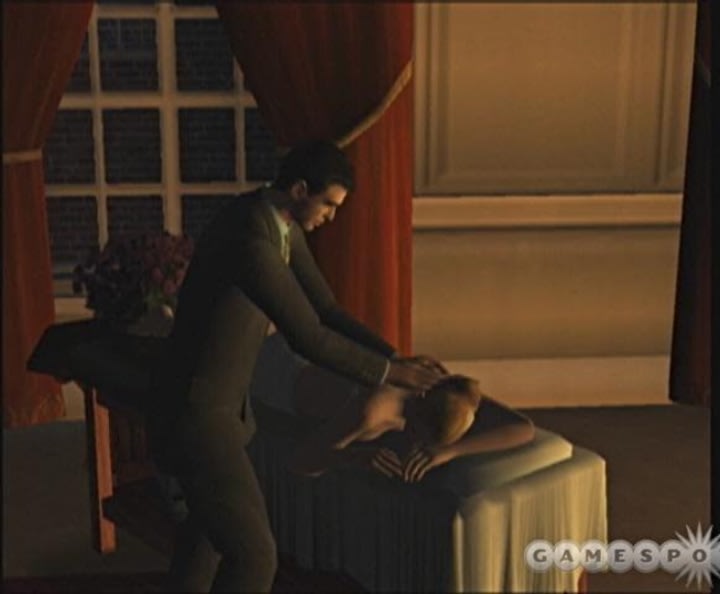
Whether it was slower objectives like simply driving through New Orleans or Peru to answer a call, sneaking into a van to infiltrate a warehouse, or pausing the spy work for a brief massage, this game understood—better than any of its predecessors—that Bond has always been as much about style and atmosphere as it is about action and explosions.
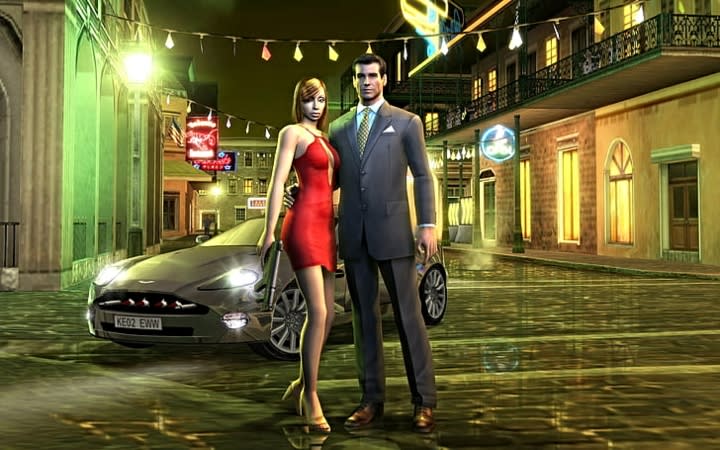
Add to that the MI6 interlude missions that played like actual film scenes, and you truly felt like Bond in a living, breathing universe. Also living and breathing in this game was Bond’s legacy. The way it either brought back or referenced previous villains (like Max Zorin and Jaws) was low-key a stroke of genius. Moreover, one that would be rather tricky to pull of in film or book format.
[describing Nikolai Diavolo]
M: His teacher was Max Zorin.
Bond, James Bond: Yes, we played Bridge together. He lost.
Along with countless callbacks and tiny details from the franchise’s history, this game remains the best example of how video games can handle Bond’s mythos with freedom and levity—a weight under which quite a few Bond movies have crumbled. Everything or Nothing, indeed. And for decades, nothing ever came close.
The Legacy Lost
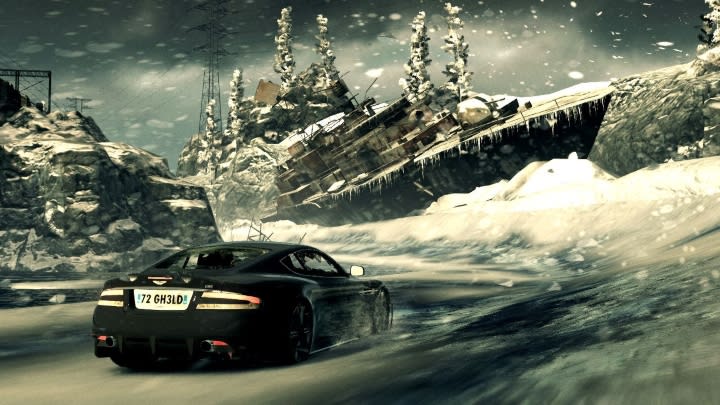
Now, I’m not saying that the era of Bond games between Everything or Nothing and the First Light has been a barren wasteland. Far from it.
2005’s From Russia with Love was a brilliant experiment that proved how classic Bond films and older eras could translate beautifully into the video game format. Sean Connery’s return, the retro spy aesthetic, and the film-faithful mission design gave players a taste of vintage Bond in interactive form.
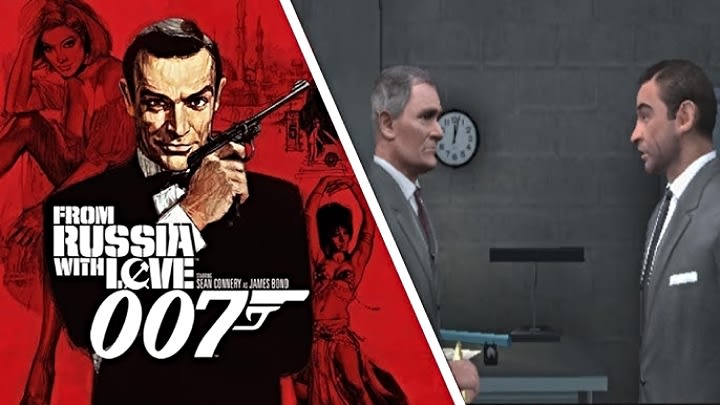
The Craig era, on the other hand, never quite produced a definitive classic Bond game, but it did deliver the underrated gem in form of 2010’s Blood Stone. Combining third-person action with cinematic storytelling, it showed glimmers of the style and versatility that had once defined the series.
Yet, despite these highlights, the momentum of the EA golden era—that three-game run of Agent Under Fire, Nightfire, and Everything or Nothing—was never truly recaptured. Each of those titles had uncovered new potential for what a Bond game could be, pushing boundaries and suggesting a future full of innovation. And then, for years, that potential lingered in the shadows—unrealized, waiting. Until now.
The First Light... In A Long Time
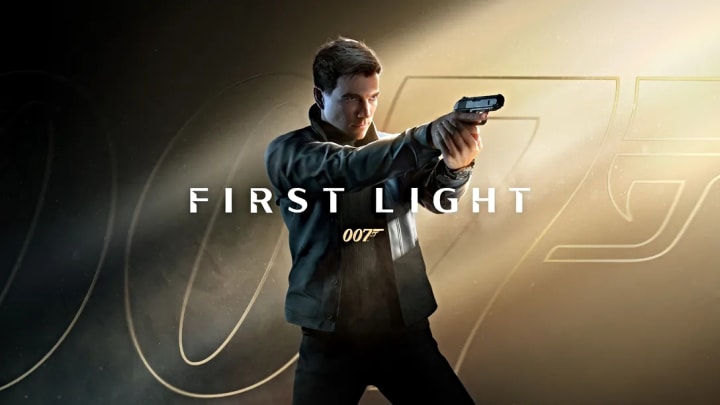
Unveiled with cinematic flair during the 2025 PlayStation State of Play, First Light already feels like a historic checkpoint in the world of 007. Starting development during the era when Bond was still under EON Productions and now set to become the first major release under Amazon, it serves as an intriguing bridge between two eras—indeed, not just eras, but legacies.
Telling the tale of James Bond’s trial by fire—his transformation from young naval officer to 00 agent—First Light promises a true Bond universe brimming with variety: stealth, gadgets, explosive set pieces, exotic locations, hand-to-hand takedowns, car chases, etc. All of it, of course, sprinkled over with plenty of style and humor. Drawing inspiration from both the novels and short stories by Fleming, as well as the film franchise, it seems to have dug deep into its rich source material.
Furthermore, with IO Interactive—the studio behind the Hitman series—at the helm, it’s a safe bet that the game will also emphasize player-driven missions and multiple paths that reward creative flair. In other words, familiar territory for anyone, who grew up with EA’s golden trilogy.
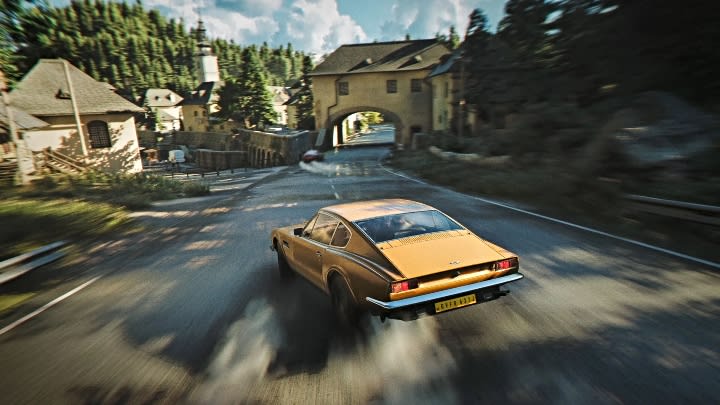
However, perhaps its most intriguing promise lies in its clean-slate Bond. Much like Agent Under Fire nearly 25 years ago, First Light introduces an original version of 007, untethered to any past actor. This isn’t a movie tie-in; this is a Bond designed for games first—free to carve out his own identity in an interactive universe the developers hope will span years.
And it makes so much sense. Bond films have long wrestled with an impossible balancing act: continuity versus standalone stories, reinvention versus nostalgia. Games don’t face that problem, when tackling huge IPs. At least not to that degree. Games thrive where player agency, inventive design, and stylistic freedom can take the lead. We’ve seen it with Spider-Man. We’ve seen it with Batman: Arkham. Now, Bond is finally stepping back into that arena as well.
Back to The Party
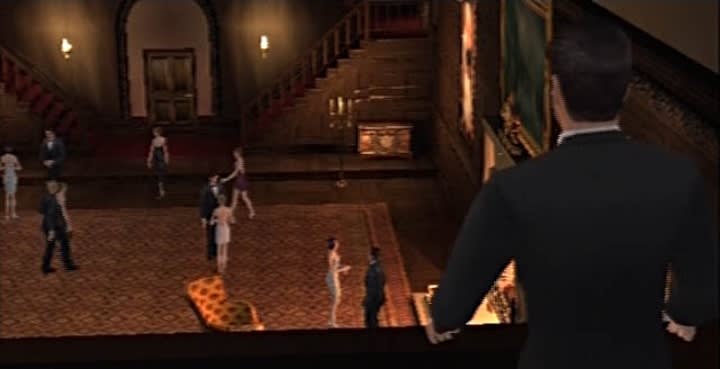
Who knows, where it all will lead 007 this time. However, one thing is certain: video game Bond is finally back to continue the mission of forging a legacy all his own. And what a legacy it already has to build on. Welcome back to video games, 007. And, as always, it’s everything or nothing.
About the Creator
Art-Peeter Roosve
So, to put it simply (and slightly cheesily) I'm fascinated with life. And, well, writing about films, TV shows, video games, music, travelling, philosophy and Formula 1 among other is a fun way to explore it.
Keep reading
More stories from Art-Peeter Roosve and writers in Gamers and other communities.
From Azkaban to the Galaxy Far Away: 3 Video Game Ideas Just Begging to Happen
Video games have come a long way. What was once a simple way to pass the time has now become its own storytelling (and artistic) medium on par with books, television, and film. Something which is perfectly encapsulated in today's video game adaptions of famous properties. No longer are they a way to cash in on them, but rather a vessel to explore these beloved fictional universes in a manner books, tv and film simply can't.
By Art-Peeter Roosve8 years ago in Gamers
20 Horror Game Masterpieces to Play Before You Die
Horror games have a unique ability to evoke fear and adrenaline, making them a beloved genre among gamers. However, there are some horror video games that will blow your mind, and you should play them to experience the sensations they offer. For this reason, I asked the AI about the best horror video games available, since I find it difficult to choose among so many options.
By Ninfa Galeano6 days ago in Gamers



Comments
There are no comments for this story
Be the first to respond and start the conversation.