
Donkey Kong Bananza Country Series Explained
all about Donkey Kong

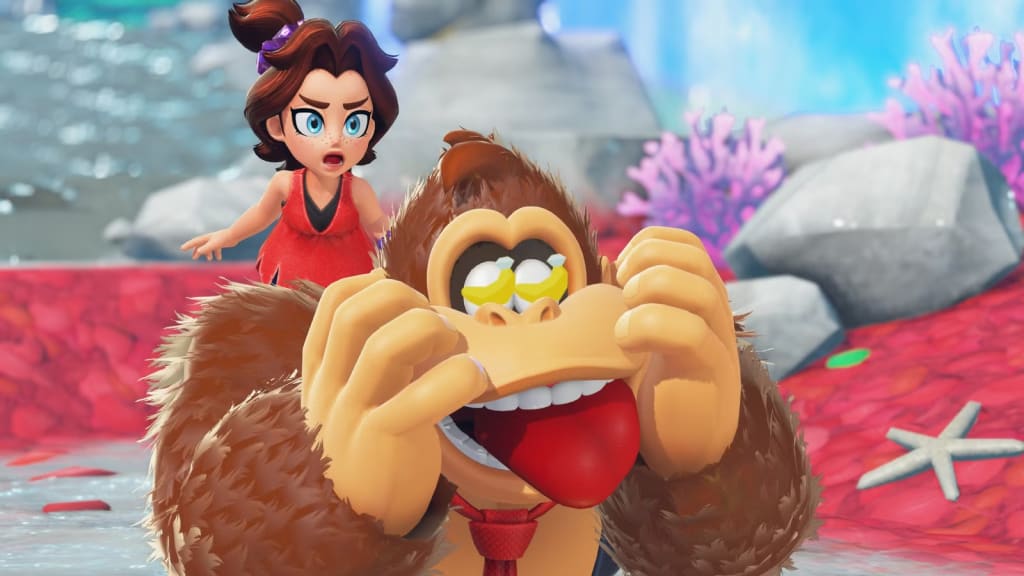
Donkey Kong Country Series Explained provides an overview of the Donkey Kong Country franchise, a platform video game series developed under Nintendo’s supervision that has played a significant role in the evolution of 2D platforming. The series debuted in 1994 with Donkey Kong Country for the Super Nintendo Entertainment System and marked a major shift in the Donkey Kong brand, transitioning the character from arcade-style gameplay to expansive side-scrolling adventures. The franchise is known for its focus on momentum-based movement, environmental interaction, and a distinct visual style that helped define platform games during the 1990s and beyond.
The original Donkey Kong Country was developed by Rare and introduced pre-rendered 3D character models displayed on 2D backgrounds, a technique that was innovative at the time. The game emphasized fluid movement, precise jumping, and a wide variety of level mechanics, including mine cart rides, underwater exploration, and animal companions. Its commercial success established Donkey Kong as a leading character on the Super Nintendo and demonstrated the console’s technical capabilities late in its lifecycle.
Donkey Kong Country 2: Diddy’s Kong Quest, released in 1995, expanded upon the original formula while shifting the narrative focus to Diddy Kong and Dixie Kong. The sequel introduced more complex level design, increased difficulty, and a darker thematic tone. It also refined mechanics such as character swapping, where each Kong offered different abilities that affected movement and strategy. This entry is often recognized for its level variety and musical composition, which contributed to the series’ identity.
The trilogy concluded with Donkey Kong Country 3: Dixie Kong’s Double Trouble! in 1996. This installment introduced a more open world structure through an overworld map that allowed players to revisit areas and unlock secrets. New gameplay elements included vehicles, additional animal companions, and environmental puzzles. While maintaining the core platforming mechanics, the game experimented with structure and exploration more than its predecessors.
After Rare’s acquisition by Microsoft in 2002, the Donkey Kong Country series entered a period of inactivity. Nintendo later revived the franchise with Donkey Kong Country Returns in 2010, developed by Retro Studios for the Wii. This entry modernized the series while preserving its side-scrolling roots. It introduced motion-based controls as an option, redesigned levels with layered depth, and emphasized precision platforming and enemy patterns. The game reestablished Donkey Kong Country as a contemporary platform series.
Donkey Kong Country: Tropical Freeze, released in 2014 for Wii U and later ported to Nintendo Switch, further refined the modern formula. The game introduced Dixie Kong and Cranky Kong as playable characters alongside Donkey Kong and Diddy Kong, each with distinct movement abilities. Level design focused on environmental storytelling, dynamic camera movement, and rhythmic pacing tied closely to the soundtrack. The Switch version expanded accessibility by adding additional modes and adjustments.
Throughout its history, the Donkey Kong Country series has maintained a consistent emphasis on precision, momentum, and environmental interaction. Levels are designed to reward mastery of movement, timing, and pattern recognition. Collectibles such as bananas, puzzle pieces, and secret exits encourage exploration and replayability without altering the core progression path.
The series has also been notable for its audio design. Music has played a central role in defining atmosphere and pacing, with compositions that adapt to different environments and reinforce the identity of each game. This focus on sound design complements the visual presentation and contributes to the franchise’s lasting recognition.
In summary, Donkey Kong Country Series Explained outlines the development and evolution of a platform franchise that has remained influential across multiple console generations. From its technical innovations in the 1990s to its modern reinterpretations, the series reflects Nintendo’s approach to preserving classic gameplay while adapting to changing hardware and design expectations. Although new entries have been infrequent, the Donkey Kong Country series continues to be regarded as a foundational part of Nintendo’s platforming legacy.
About the Creator
Keep reading
More stories from Games Mode On and writers in Gamers and other communities.
Why Donkey Kong Bananza Has Been Absent From Major Nintendo Releases
Why Donkey Kong Has Been Absent From Major Nintendo Releases examines the factors behind the limited presence of one of Nintendo’s longest-running franchises in recent years. Donkey Kong is one of Nintendo’s oldest and most recognizable characters, debuting in the 1981 arcade game Donkey Kong. Over the decades, the series has played a significant role in shaping platform games, particularly through the Donkey Kong Country titles developed by Rare in the 1990s and later entries produced under Nintendo’s supervision. Despite this legacy, the franchise has not received a new mainline Donkey Kong–focused release for an extended period, prompting questions about its current status within Nintendo’s portfolio.
By Games Mode On26 days ago in Gamers
Mother Simulator Game Review
Hello and welcome back to my pedestal of random games I play for review! Happy New Year and welcome 2026! Let’s start off the year with a game from 2018 – Mother Simulator. Don’t be surprised if I bring forth the train of simulators. I have missed out of that train from 2025, so I need to play catch up.
By Amelia Ruth Thompson3 days ago in Gamers
U4gm How to Complete the Fallout Event Fast in Black Ops 7
Call of Duty: Black Ops 7’s latest update has injected the wasteland straight into your favorite shooter. The Fallout crossover event brings themed modes, unique cosmetics, and a fully loaded Event Pass inspired by the iconic post-apocalyptic universe. For players who want to finish the event efficiently, planning your approach is just as important as racking up kills—especially if you’re diving into BO7 Bot Lobbies to accelerate challenges.
By Billo Nalia day ago in Gamers
A Failed Artist, A Disillusioned Poet, An Underpaid Game Show Host
I took my son and niece to Gori, a small town in Georgia where Joseph Stalin was born. They talked me into visiting the Stalin's Museum, the largest in the post-Soviet space. I had resisted going there because I just can't stand the monster and know enough about him, or so I thought.
By Lana V Lynx6 days ago in FYI



Comments
There are no comments for this story
Be the first to respond and start the conversation.