
Why Donkey Kong Bananza Has Been Absent From Major Nintendo Releases
Donkey Kong Game Ninterndo 2

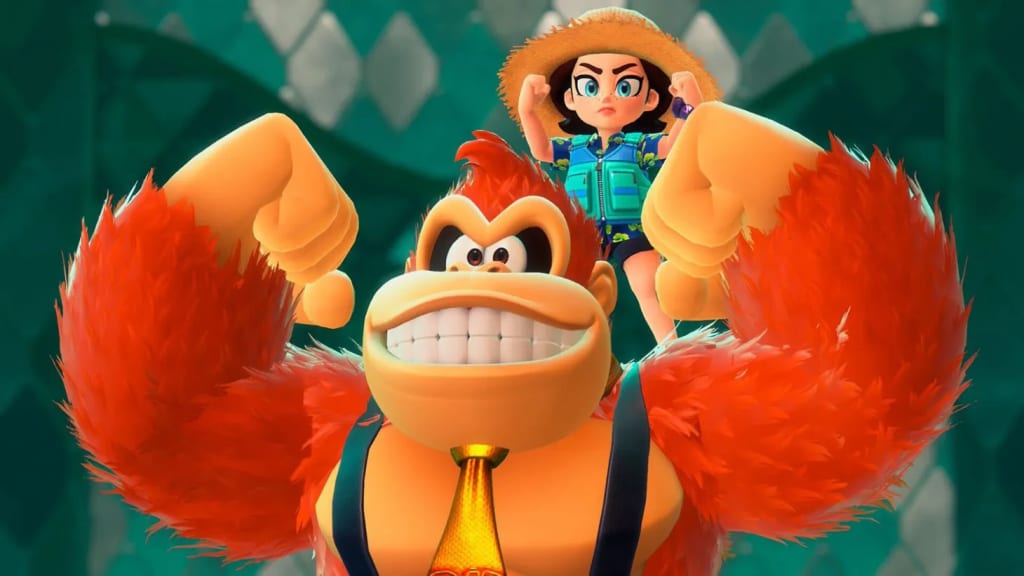
Why Donkey Kong Has Been Absent From Major Nintendo Releases examines the factors behind the limited presence of one of Nintendo’s longest-running franchises in recent years. Donkey Kong is one of Nintendo’s oldest and most recognizable characters, debuting in the 1981 arcade game Donkey Kong. Over the decades, the series has played a significant role in shaping platform games, particularly through the Donkey Kong Country titles developed by Rare in the 1990s and later entries produced under Nintendo’s supervision. Despite this legacy, the franchise has not received a new mainline Donkey Kong–focused release for an extended period, prompting questions about its current status within Nintendo’s portfolio.
One of the primary reasons for Donkey Kong’s absence is Nintendo’s shifting development priorities. Nintendo manages multiple major franchises, including Mario, The Legend of Zelda, Pokémon, Animal Crossing, and Splatoon, each of which requires substantial development resources and long production cycles. In recent console generations, Nintendo has concentrated heavily on these franchises, many of which have produced multiple high-profile releases and expansions. As a result, other established series, including Donkey Kong, have seen longer gaps between standalone entries.
The development history of Donkey Kong is also closely tied to external studios. The influential Donkey Kong Country trilogy was developed by Rare, a studio that later became part of Microsoft in 2002. After Rare’s departure, Nintendo reassigned the franchise to Retro Studios, which developed Donkey Kong Country Returns and Donkey Kong Country: Tropical Freeze. Retro Studios later shifted its focus to other projects, most notably Metroid Prime 4, reducing its availability to work on Donkey Kong titles. This transition left Nintendo without a dedicated internal team consistently producing Donkey Kong games.
Another contributing factor is Nintendo’s approach to brand positioning. Donkey Kong frequently appears as a supporting character in major crossover and spin-off titles, such as Mario Kart, Super Smash Bros., Mario Party, and Mario vs. Donkey Kong. These appearances keep the character visible to audiences without requiring the development of a full standalone game. From a business perspective, this allows Nintendo to maintain Donkey Kong’s relevance while focusing primary development efforts elsewhere.
The franchise has also received re-releases rather than new entries. Donkey Kong Country: Tropical Freeze, originally released on Wii U in 2014, was later ported to Nintendo Switch in 2018. This re-release introduced the game to a broader audience and extended its commercial lifespan, but it did not represent new development for the series. Nintendo has historically relied on ports and remasters to fill gaps between major releases, especially during periods of limited development capacity.
Market trends have also influenced Nintendo’s release strategies. Platform games remain an important genre for Nintendo, but Super Mario has become the primary representative of that category. With titles such as Super Mario Odyssey and Super Mario Bros. Wonder, Nintendo has positioned Mario as the flagship platforming experience across generations. Donkey Kong, while still popular, occupies a more specialized niche that may not align as directly with Nintendo’s current release cadence.
Creative considerations may also play a role. Nintendo has a reputation for delaying or pausing franchises until a clear creative direction is established. Rather than releasing frequent sequels, the company often waits until developers have a distinct concept that justifies a new entry. This philosophy has been applied to other franchises as well, including Pikmin and Metroid, both of which experienced long gaps between releases before returning with new mainline titles.
Despite the absence of a new standalone game, Donkey Kong continues to hold a strong position within Nintendo’s brand identity. The character remains prominently featured in merchandise, theme park attractions, and crossover games. The opening of Super Nintendo World sections featuring Donkey Kong further demonstrates Nintendo’s continued investment in the character as part of its broader ecosystem, even without a recent mainline release.
It is also important to note that Nintendo rarely comments publicly on dormant franchises unless a new project is ready to be revealed. The lack of official announcements does not necessarily indicate discontinuation. Historically, Nintendo has revived franchises after long periods of inactivity, often with significant critical and commercial success.
In summary, Donkey Kong’s absence from major Nintendo releases is the result of multiple overlapping factors, including shifting development priorities, studio availability, reliance on re-releases, and Nintendo’s cautious approach to franchise management. While the series has not seen a new mainline installment in recent years, Donkey Kong remains an active part of Nintendo’s lineup through crossovers and brand integration. The franchise’s history suggests that periods of inactivity are not uncommon and do not preclude future standalone releases when development conditions and creative direction align.
About the Creator
Keep reading
More stories from Games Mode On and writers in Gamers and other communities.
Hades II Best Builds and Boon Synergies Explained
Hades II Best Builds and Boon Synergies Explained explores how character builds function in Hades II, the roguelike action role-playing game developed and published by Supergiant Games. Released in early access in 2024 for Microsoft Windows, Hades II introduces a new protagonist, Melinoë, and significantly expands the combat and progression systems established in the original Hades. Builds in Hades II are shaped by weapon selection, magical abilities, boons granted by gods, and long-term meta progression, with synergy playing a central role in determining effectiveness during each run.
By Games Mode On26 days ago in Gamers
U4gm Leveling Up Forever: A Complete Guide to Prestige Master in Black Ops 7
If you’ve been grinding in Call of Duty: Black Ops 7, you know reaching the max level is just the beginning. That’s where Prestige Master comes in — a system designed to keep the game fresh, rewarding, and worth every hour you put in. Unlike regular leveling, Prestige Master lets players keep earning experience, unlocking exclusive rewards, and showing off their achievements across Multiplayer, Zombies, and Warzone.
By Billo Nali6 days ago in Gamers


Comments
There are no comments for this story
Be the first to respond and start the conversation.