
THE ROLE OF THE OLYMPIC GAMES IN PROMOTING PEACE
Fostering Global Unity and Diplomacy Through Sports.

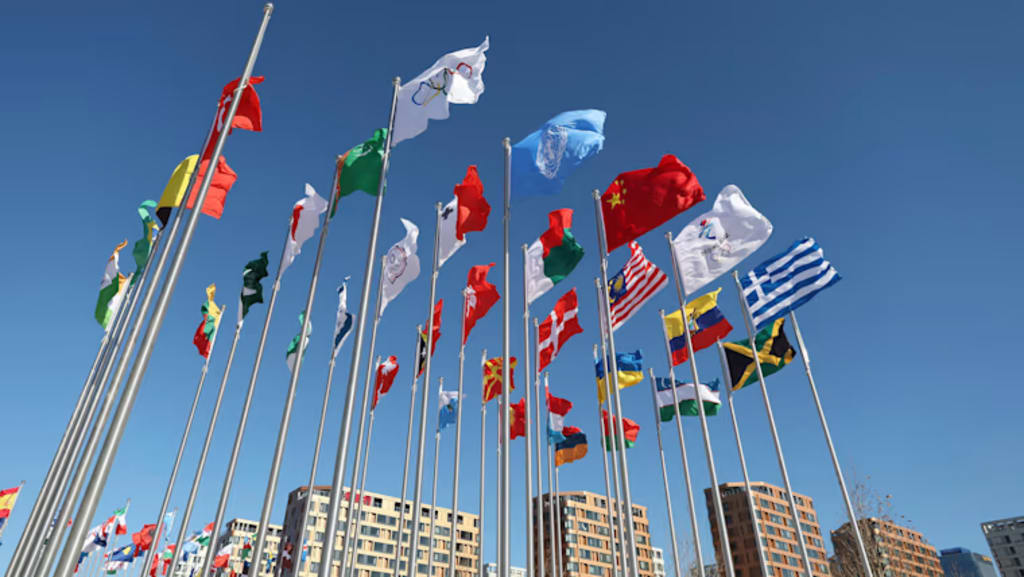
The Olympic Games, founded by the ancient Greeks in 776 BC, have evolved into one of the world's largest and most influential sporting events. Beyond celebrating athletic excellence, the Olympic Games serve a critical role in promoting peace, fostering international cooperation, and uniting people from different cultures, backgrounds, and nations. Through its core principles of Olympism, the Games are a platform for diplomacy, dialogue, and mutual understanding, contributing significantly to peacebuilding efforts around the world.
(I)The Ideals of Olympism: Unity and Peace
At the heart of the Olympic Games is the concept of Olympism, which embodies values such as respect, excellence, friendship, and solidarity. The Olympic Charter emphasizes the pursuit of peace through sport by fostering mutual understanding and friendship among people of different nations. The goal is to promote respect for diversity, tolerance, and harmony, all while celebrating the common bond of humanity. The Olympic Games, therefore, act as a bridge that connects people from different parts of the world, regardless of political, racial, or religious differences. The fundamental belief that sport transcends political boundaries is a powerful tool in promoting peace.
(II)The Truce of the Olympics: A Symbol of Peace
Historically, the Olympic Games were more than just an athletic contest. During ancient times, the Games were conducted in a climate of peace, with the Greek city-states observing a truce (the "Olympic Truce") to ensure that athletes and spectators could travel safely to and from Olympia. This tradition has been revived in modern times, with the International Olympic Committee (IOC) encouraging member nations to observe a ceasefire during the Games. While the truce may not always be fully respected in practice, it remains a symbolic gesture representing the potential for conflict resolution and peaceful coexistence during the Games.
The call for a global Olympic Truce serves as a reminder that even in times of war, diplomacy and dialogue are essential. The Olympic Games provide a space for countries to set aside their differences and come together in celebration of humanity’s shared aspirations. The truce not only promotes a peaceful atmosphere during the event itself but also encourages political leaders to recognize the value of peace in a broader context.
(III)Diplomacy and International Cooperation
The Olympic Games are also a platform for international diplomacy. Every four years, governments, athletes, and spectators come together in a global showcase of human achievement. While the Games are focused on sports, they also offer an opportunity for leaders to engage in informal diplomacy and dialogue. The presence of world leaders and dignitaries at the opening ceremonies or during other events can be a powerful reminder of the shared values of peace, unity, and cooperation.
In some cases, the Olympics have played a direct role in easing tensions between conflicting nations. For example, the 1972 Summer Olympics in Munich saw the first significant example of diplomatic dialogue through sport, with the United States and China using the event to begin thawing relations that had been frozen for decades. Similarly, the "Ping Pong Diplomacy" of the 1970s, sparked by the invitation of the Chinese table tennis team to visit the United States, paved the way for improved relations between the two countries.
More recently, the 2018 Winter Olympics in Pyeongchang, South Korea, served as a venue for discussions between North and South Korea. The participation of North Korean athletes in the Games and the joint Korean women's ice hockey team were viewed as a significant step toward improving inter-Korean relations, symbolizing the potential of the Olympic Games as a peacebuilding tool.
(IV)Cultural Exchange and Mutual Understanding
Beyond diplomacy, the Olympic Games provide a forum for cultural exchange. Athletes from across the globe share the same space, competing not just for victory but also for the opportunity to understand and appreciate one another's cultures. The Games foster an environment where individuals can come together in mutual respect, celebrating diversity while recognizing the universal human desire for peace.
Through cultural events and exchanges, the Olympic Games promote intercultural dialogue, which is essential for breaking down stereotypes, building mutual respect, and cultivating empathy. The shared experiences of athletes and spectators from different nations help create a sense of global community. This exchange of ideas, cultures, and traditions helps to reduce prejudices and create a more inclusive world.
(V)The Olympic Legacy: Building a Lasting Peace
The impact of the Olympic Games extends far beyond the event itself. The legacy of the Games has the potential to inspire long-term peace initiatives and foster continued cooperation among nations. For example, the 1992 Barcelona Olympics marked a turning point in the reconciliation process between Spain and Catalonia, symbolizing unity and cooperation in the face of regional tensions. Similarly, the 2008 Beijing Olympics showcased China’s rise on the global stage, enhancing international understanding of Chinese culture and fostering peaceful relations between China and the rest of the world.
Moreover, the Olympic Games' commitment to promoting peace is also reflected in the IOC's partnerships with organizations such as the United Nations, UNESCO, and the International Red Cross. These collaborations aim to use sport as a vehicle for positive social change, contributing to peace, development, and humanitarian goals worldwide.
In The End
The Olympic Games have proven to be much more than a global athletic event. They are a powerful tool for promoting peace, fostering diplomatic relations, and creating a platform for cultural exchange. Through the ideals of Olympism, the tradition of the Olympic Truce, and the opportunities for international cooperation and dialogue, the Olympics continue to serve as a beacon of peace in a world often divided by conflict. As the Games evolve, they remain a testament to the ability of sport to bring people together, transcending borders and demonstrating the potential for unity and peace among nations.
About the Creator
Badhan Sen
Myself Badhan, I am a professional writer.I like to share some stories with my friends.
Keep reading
More stories from Badhan Sen and writers in Gamers and other communities.
THE OLYMPICS AS A PLATFORM FOR POLITICAL ACTIVISM
The Olympic Games have long been a global stage for athletic excellence, cultural exchange, and international cooperation. However, they have also served as a powerful platform for political activism, where athletes, nations, and movements have used the world’s attention to highlight issues of social justice, inequality, and human rights. This duality—sport as a unifying force and as a vehicle for dissent—has shaped the legacy of the Olympics in profound ways.
By Badhan Senabout a year ago in Gamers
30k Tressure Hunt Forza Horizon 5
Forza Horizon 5 has become one of the most popular open-world racing games in the world, not only for its stunning visuals and realistic driving mechanics but also for its engaging side content, like Treasure Hunts. One of the most talked-about challenges in the game is the “30K Is The Game” Treasure Hunt, which rewards players with Forzathon Points and progression toward seasonal rewards.
By Games Mode Ona day ago in Gamers
Rsvsr Mega Evolutions Are Coming to Pokémon TCG Pocket – Get Ready!
If you’re a Pokémon fan, chances are you’ve been hooked on Pokémon TCG Pocket, the digital card game that lets you collect, trade, and battle Pokémon right from your phone. Well, there’s exciting news: the game is about to get a major update with Mega Evolution cards! And yes, that means Pokémon like Mega Gyarados, Mega Blaziken, and Mega Altaria are coming to your decks.
By Dangyc Ding6 days ago in Gamers
Wild Card Weekend Recap: What Happens Now?
I think I figured out why I love Wild Card Weekend so much. It's because it's the first playoff anything of the calendar year. The NFL season starts in the fall, and once upon a time, the champion was crowned either on or slightly before New Year's. The evolution of the NFL schedule has resulted in the playoffs starting just into the New Year, and currently, the final week of the season falls on the first weekend of the New Year, with Wild Card Weekend coming a week after that. So yes, chronologically, the NFL's Wild Card Weekend serves as the first playoff anything of the calendar year.
By Clyde E. Dawkins6 days ago in Unbalanced




Comments (1)
The Olympics are events that are supposed to bring people together to a friendly competition and at times work and help each other understand. Good work.