
Culture Crises Across Sports: A Warning Siren Ignored No More
Sports
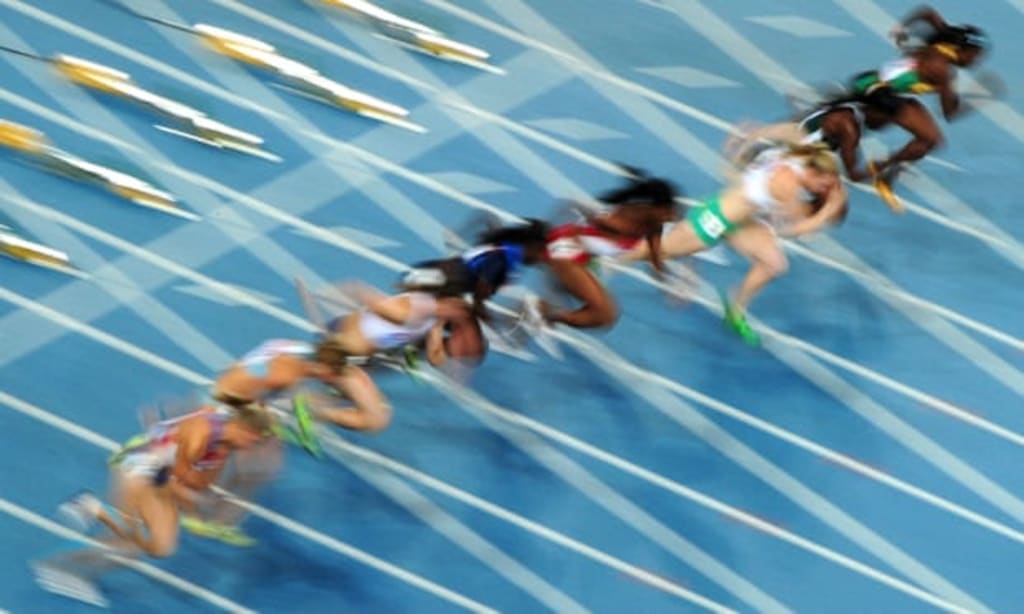
Introduction: In recent years, sports culture has faced a series of crises that have exposed deep-rooted issues within the industry. From rampant doping scandals to allegations of sexual abuse and harassment, the world of sports has been rocked by one crisis after another. These incidents should serve as a wake-up call, demanding immediate attention and action. Ignoring the lessons learned from these cultural crises is no longer an option. In this article, we will explore some of the key challenges faced by sports culture, their implications, and the urgent need for change.
Doping Scandals : One of the most pervasive issues plaguing the world of sports is the prevalence of doping scandals. Athletes using performance-enhancing drugs undermines the integrity of competition and erodes public trust. From high-profile cases like Lance Armstrong in cycling to systemic doping programs in countries like Russia, the impact on the sporting world is far-reaching. The repeated instances of doping not only tarnish the reputations of individual athletes but also cast doubt on the entire sporting system.
Sexual Abuse and Harassment : Another pressing concern within sports culture is the prevalence of sexual abuse and harassment. Numerous cases have emerged across various sports, exposing a toxic environment that often goes unchecked. The gymnastics community, for instance, has been rocked by revelations of widespread abuse perpetrated by coaches and officials. These incidents highlight the power dynamics that can enable such abuse and the urgent need for stricter policies, improved athlete protection mechanisms, and a culture that prioritizes the well-being of athletes over winning at all costs.
Lack of Diversity and Inclusion : Sports should be a platform that celebrates diversity, fostering inclusivity regardless of race, gender, or background. However, many sports still struggle with issues of representation and inclusiveness. Women's sports, in particular, often receive less investment, media coverage, and sponsorship opportunities compared to their male counterparts. Similarly, racial and ethnic minorities face significant barriers to entry and advancement in many sports. These systemic biases not only limit the opportunities for talented athletes but also perpetuate inequality and reinforce harmful stereotypes.
Pressure and Mental Health : The relentless pressure placed on athletes can have severe consequences for their mental health. The drive for success, coupled with media scrutiny and high expectations, creates an environment that can lead to anxiety, depression, and other mental health challenges. Recent high-profile cases, such as Naomi Osaka's withdrawal from the French Open, have shed light on the need for better support systems and a shift in sports culture. Athletes should be encouraged to prioritize their well-being, and organizations must provide access to mental health resources, destigmatize seeking help, and create a culture that values holistic development.
Normalising these cultures reinforces the narrative that underpins them: sport is tough and athletes need to be prepared to do whatever it takes, no questions asked. Carrying on like this would be wilful blindness. Rather we should be asking what is going wrong in high-performance sport? What could we do differently to chart a better, healthier path for elite sport? And is this a peculiarly British phenomenon, or are there lessons to learn from abroad?
In Canada, athletes are currently banding together across hockey, soccer, boxing, bobsleigh, rugby, gymnastics and rowing to denounce toxic cultures of abuse and discrimination and drive change. Pascale St-Onge, the minister for sport, acknowledged there was a “safe sport crisis” in the country and pledged government action. St-Onge meets monthly with AthletesCAN, a body representing Canadian athletes to discuss systemic change. The voice of athletes is at last being listened to at the highest level.
Conclusion : The cultural crises that have plagued sports in recent years cannot be ignored any longer. Doping scandals, sexual abuse, lack of diversity, and mental health issues are warning signs that demand immediate action. Sports organizations, governing bodies, and society as a whole must come together to implement robust reforms, enforce stricter regulations, and foster a culture of respect, inclusion, and athlete well-being. Only by confronting these challenges head-on can we restore the integrity and the true spirit of sports, ensuring a brighter and more equitable future for athletes and fans alike.
About the Creator
Keep reading
More stories from L.G.A.R.M.Rawzan and writers in Gamers and other communities.
RAF Fighter Jets Scrambled to Intercept Putin's 'Doomsday Plane' and Two Su-30Ms
Introduction: In a recent dramatic turn of events, Royal Air Force (RAF) fighter jets were urgently scrambled to intercept a Russian aircraft convoy led by President Vladimir Putin's infamous 'Doomsday plane.' This aircraft, designed to serve as a mobile command center during times of crisis, was accompanied by two Su-30M fighter jets. The encounter between the RAF and Russian aircraft marks another escalation in tensions between the two nations and raises concerns about potential security threats and geopolitical implications. This article delves into the details of the incident, examining the significance and potential consequences of the encounter.
By L.G.A.R.M.Rawzan3 years ago in Gamers
Stardew Valley Moss Guide: Why This 1.6 Resource is More Valuable Than You Think
For years, the appearance of green fuzz on the oak and maple trees of Pelican Town was nothing more than a visual indicator of rain or a sign that you had neglected your farm’s landscaping. When the 1.6 update arrived, everything changed.
By Richard Bailey5 days ago in Gamers
R6 Predictions for 2026: The Next Chapter of Rainbow Six Siege
In 2026, Rainbow Six Siege won’t feel like a brand-new game and that may be its greatest strength. Instead of chasing trends, Siege is likely to double down on what it already does best: tactical depth, operator-driven gameplay, and a competitive ecosystem that rewards patience and planning. Looking back from this point in time, 2026 could be remembered as the year Siege finally perfected its long-term evolution.
By Deborah Larson4 days ago in Gamers



Comments
There are no comments for this story
Be the first to respond and start the conversation.