
Beyond the Screen: The Lives of Gamers
When most people think of gamers, they imagine someone isolated in a dark room
M Mehran
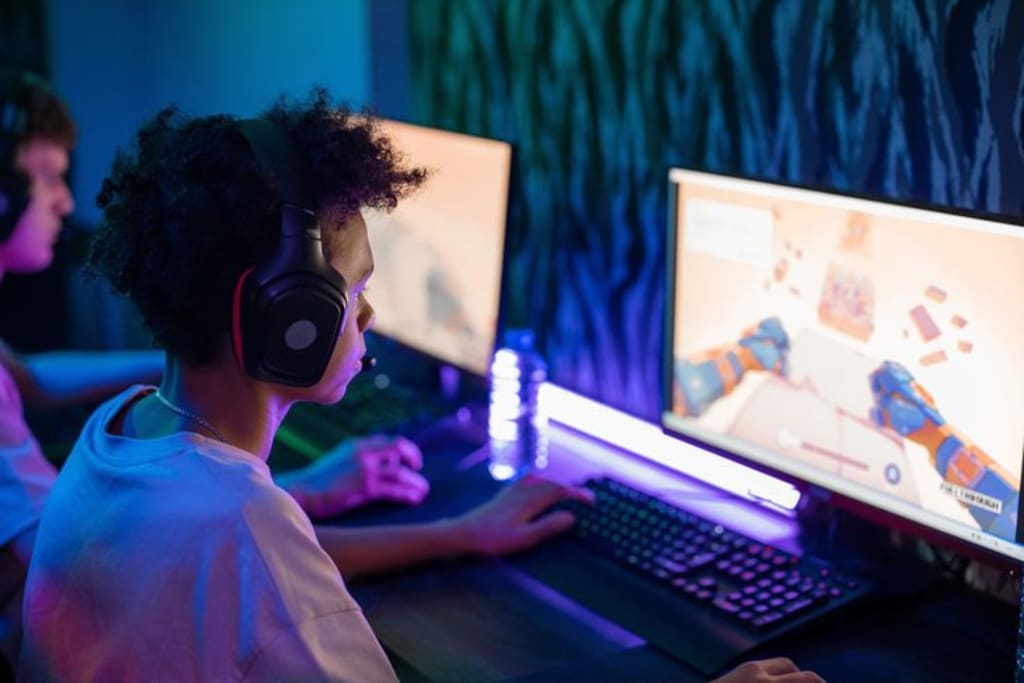
When most people think of gamers, they imagine someone isolated in a dark room, glued to a screen, thumbs flying over a controller. But for many, gaming is more than a pastime—it’s a world, a community, and even a path to self-discovery.
Take Alex Martinez, a 22-year-old college student who has been gaming since middle school. For Alex, video games weren’t just entertainment; they were a lifeline. Growing up, social anxiety made interactions with classmates difficult. Group projects, parties, and even casual conversations could leave him anxious and exhausted. But in online games, Alex found a place where he could connect without fear.
“I remember logging into my first MMO,” Alex recalls. “I was nervous, didn’t know anyone. But soon, I was part of a guild, raiding dungeons, strategizing, laughing with people I’d never met in real life. It gave me confidence I couldn’t get anywhere else.”
Online communities, surprisingly, often mirror real-life social dynamics. Gamers collaborate, communicate, and problem-solve together. Alex learned teamwork, leadership, and communication skills in ways that classroom settings couldn’t offer. He even transferred those skills to his college life, taking on leadership roles in clubs and student projects.
Then there’s Keisha Reynolds, 19, a competitive esports player specializing in fighting games. Keisha’s parents initially worried she spent too much time gaming. But as they watched her dedication, discipline, and competitive drive, their perspective shifted.
“Gaming taught me patience and resilience,” Keisha says. “You lose matches, you fail strategies, but you adapt. You analyze, practice, and try again. It’s like life in microcosm.”
Her experience highlights a critical aspect of gaming often overlooked: skill development. Beyond reflexes, strategy, and problem-solving, gaming improves focus, multitasking, and even emotional regulation. Studies have shown that players who engage in strategic and cooperative games develop better decision-making abilities and resilience under pressure.
For some, gaming also becomes a creative outlet. Take Jordan Li, a 24-year-old game streamer who mixes commentary with live art creation. His streams attract thousands, not just for the gameplay but for the stories, jokes, and illustrations he adds to the experience. “I treat streaming like a canvas,” Jordan explains. “I’m telling a story while playing a game. It’s performance, creativity, and community all at once.”
The community aspect cannot be overstated. Online tournaments, collaborative quests, and even casual chats create connections that transcend geography. Friends meet virtually from different countries, time zones, and backgrounds. Gamers learn empathy and cultural understanding, navigating teamwork and conflict resolution in real time. For many, these friendships are as real and meaningful as those offline.
Yet, like anything, gaming has its challenges. Addiction, burnout, and social isolation can become real problems if not managed carefully. Alex acknowledges this: “There were times I skipped classes or stopped talking to friends outside gaming. I had to learn balance. Gaming is amazing, but it’s only part of life.”
To address this, more organizations are recognizing gaming as a serious profession and community activity, with esports scholarships, mental health resources for players, and mentorship programs for aspiring professionals. Gaming is evolving from a hobby into a legitimate skill set that opens doors to careers in game development, design, streaming, and competition.
What makes gamers unique is the combination of passion, persistence, and community. They’re not just playing for points or achievements—they’re learning, connecting, and expressing themselves. Gaming challenges stereotypes about laziness or isolation. Instead, it shows how digital worlds can enhance real-world skills and relationships.
Keisha’s journey reflects this perfectly. After competing nationally, she now mentors younger players, helping them build both skills and confidence. “I want them to see that gaming isn’t just fun—it’s empowering. It teaches you patience, strategy, and resilience. And it can help you in life beyond the console.”
For Alex, Keisha, Jordan, and countless others, gaming is more than pixels on a screen. It’s a classroom, a playground, and a stage. It’s a way to explore, create, and connect. And in a world that often misunderstands them, gamers are finding pride in their craft, purpose in their play, and community in shared challenges.
Next time you see someone immersed in a game, consider this: behind the controller is not just a player, but a strategist, a creator, a friend, and a learner. The world of gaming isn’t just entertainment—it’s a microcosm of growth, skill, and connection. And that’s a story worth telling.
About the Creator
Keep reading
More stories from Muhammad Mehran and writers in Gamers and other communities.
The Story of Gamers Who Changed the Game
M Mehran In a small town where the internet often lagged and opportunities felt limited, a group of friends discovered an escape—and a challenge—within the glowing screens of their computers. They weren’t athletes, scholars, or musicians; they were gamers. And in the digital world, they found something that the real world couldn’t always offer: control, recognition, and the thrill of victory.
By Muhammad Mehran6 months ago in Gamers
Essential Golf Tips Every Beginner Needs to Improve Their Game
Golf is a rewarding sport that combines skill, patience, and strategy. For beginners, the game can feel challenging because it requires mastering several techniques at once. Many new golfers focus too much on hitting the ball far instead of learning the fundamentals that lead to consistent performance. Improvement comes from developing good habits early, practicing with purpose, and understanding how each part of the game works together. With the right approach and consistent effort, beginners can build confidence and steadily improve their performance on the course.
By Daniel Ladner3 days ago in Gamers
7 Methods to Earn MLB The Show 26 Stubs Fast
In MLB The Show 26, stubs are the in-game currency that players use to purchase packs, cards, and other valuable items. Earning stubs can be challenging, but with the right strategies, you can accumulate them efficiently. Here are seven methods to help you earn stubs quickly without feeling overwhelmed.
By Snow maner2 days ago in Gamers


Comments
There are no comments for this story
Be the first to respond and start the conversation.