
Best D&D Campaign Hooks That Instantly Capture Your Players’ Attention
Discover powerful D&D campaign hooks that create instant excitement, spark character investment, and set the tone for unforgettable adventures

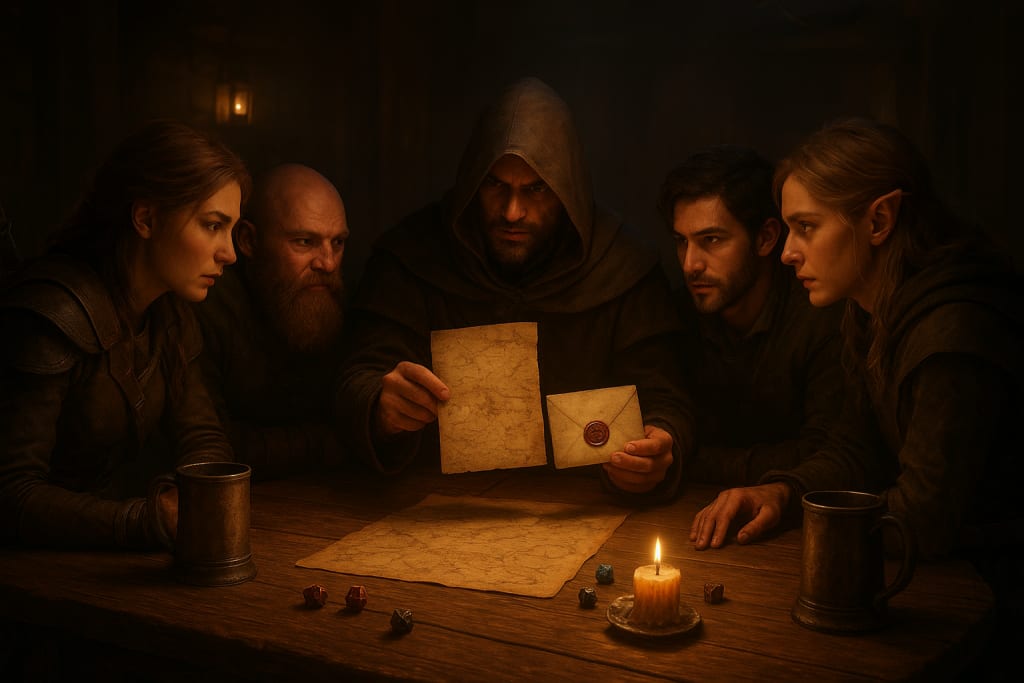
Starting a Dungeons & Dragons campaign is one of the most exciting moments for both Dungeon Masters and players. The opening session sets the tone for everything that follows. If the beginning feels dull, players might drift, and the world you’ve worked hard to create will lose momentum before it even begins. That’s where campaign hooks come in.
A strong hook doesn’t just introduce the setting. It pulls players into the story, gives them a reason to act, and creates immediate stakes. The most memorable campaigns don’t wait until session three to spark interest—they grab attention from the very first scene.
Let’s break down the best kinds of campaign hooks and how you can use them to lock in your players from the start.
Why the Opening Hook Matters in D&D
When players sit down for a new campaign, they’re looking for direction. They want to know why their characters care, what’s at stake, and how the adventure begins. Without a clear reason to engage, you risk the dreaded question: “Why should my character care?”
A good campaign hook:
- Provides urgency without railroading.
- Connects directly to character goals, fears, or backstories.
- Creates tension or mystery that demands exploration.
- Makes players feel like the world is already alive and in motion.
When you succeed with your hook, your players aren’t just waiting for the story to happen—they’re chasing it.
The Sudden Crisis
Few things grab attention faster than chaos erupting without warning. Your characters might be sitting in a quiet tavern when the door bursts open and a bloodied messenger collapses on the floor. Or perhaps the city bells ring, signaling an attack from an unknown force.
These “in media res” beginnings throw players directly into action. They don’t have time to debate what to do because danger is already at their feet. This type of hook works especially well for groups that thrive on high-energy scenes and quick decision-making.
The key is balance. Even in chaos, players need choices. Give them multiple ways to respond—fight, flee, investigate, or negotiate. That way, the story feels organic rather than forced.
The Personal Connection
Another powerful way to hook players is to tie the opening into their backstories. Maybe the rogue’s estranged mentor is accused of a terrible crime. Perhaps the cleric’s temple has been desecrated overnight. If the bard’s hometown suddenly vanishes from maps, that’s not just a world event—it’s personal.
This style of hook works wonders for campaigns that emphasize roleplay and character development. It tells players immediately: this story is about you.
To do this effectively, talk with your players before session one. Ask about their characters’ pasts, families, and unfinished business. Then weave those threads into your hook so that the opening feels tailor-made.
The Unsolved Mystery
Mystery is one of the oldest storytelling tools, and in D&D, it’s a perfect hook. Characters stumble upon a village where everyone is missing. A ship drifts into harbor with no crew aboard. An eerie comet streaks across the sky, and strange creatures begin appearing in its wake.
Players love puzzles that beg for answers. A mystery doesn’t need to be solved right away—in fact, it’s better if the first session only deepens the questions. Curiosity keeps players returning, eager for the next clue.
Make sure your mystery is clear enough to intrigue but not so vague that it confuses. Drop tantalizing hints, but leave room for the players to connect the dots.
The Tempting Offer
Sometimes, the best way to pull players in is with a deal they can’t resist. A wealthy noble promises a fortune for a dangerous task. A desperate villager begs for help, offering a reward that seems too good to be true. Or perhaps a mysterious stranger extends an invitation that hints at power, knowledge, or destiny.
This hook works because it appeals to adventurers’ natural instincts: curiosity, greed, or ambition. Players immediately have a reason to act, even if they don’t fully trust the offer.
The challenge here is to make the reward compelling without making it feel like the only option. Give players the freedom to refuse, but ensure that the world reacts if they do. Sometimes saying “no” to the offer can create an even richer story.
The Shared Catastrophe
Few things bond a group of adventurers faster than surviving disaster together. Maybe the ship they’re traveling on sinks, leaving them stranded on a mysterious island. Perhaps a dragon attacks the city they’re in, and the characters are forced to work together just to survive.
This kind of hook creates instant teamwork. The party may not know each other yet, but they’re united by necessity. Strangers become allies because the situation leaves them no choice.
The benefit of this approach is speed. By the end of the first session, your players will feel like a real party, forged in fire or flood.
The Call of Destiny
Some players love the idea of fate pulling them toward greatness. This hook can take the form of prophecy, divine intervention, or even a strange artifact that falls into their possession. When handled carefully, it makes characters feel like they’re at the center of something far larger than themselves.
Be cautious, though—destiny should inspire, not dictate. Use it as a spark, not a leash. The prophecy may be vague, the artifact mysterious, the divine call open to interpretation. The less you tell players what to do, the more freedom they’ll feel to make the story their own.
Tips for Crafting Your Own Hooks
While these examples can serve as templates, the best campaign hooks are customized for your group. Here are a few guiding principles:
- Know your players. Some thrive on combat, others on intrigue or exploration. Match the hook to their playstyle.
- Keep it immediate. A hook should demand action now, not three sessions later.
- Layer in choice. Even the strongest hook should allow multiple ways forward.
- Set the tone. Dark horror hooks create very different campaigns than lighthearted adventure ones. Start with the mood you want to maintain.
The beginning of a D&D campaign is like striking a match. The hook is the spark, but the flame only lasts if you give it fuel. By starting with urgency, mystery, personal stakes, or shared catastrophe, you can light up the table and keep your players leaning forward with anticipation.
The truth is simple: players remember how adventures begin. If your opening pulls them in, they’ll be invested for the long haul. So, the next time you gather around the table, ask yourself: what will make my players care from the very first moment?
Because that’s where the best campaigns truly begin.
About the Creator
Richard Bailey
I am currently working on expanding my writing topics and exploring different areas and topics of writing. I have a personal history with a very severe form of treatment-resistant major depressive disorder.
Keep reading
More stories from Richard Bailey and writers in Gamers and other communities.
Behemoth VR Campaign: Four Colossal Bosses and Over 10 Hours of Immersive Action
When Skydance announced Behemoth, expectations were already sky-high. A brutal, physics-driven VR action-adventure set in a desolate, plague-ridden world sounded ambitious enough, but the real hook is its campaign. Instead of being a short showcase, Behemoth offers a fully fleshed-out story mode with massive battles, tense survival mechanics, and a length that rivals many flat-screen AAA titles.
By Richard Bailey7 months ago in Gamers
Essential Golf Tips Every Beginner Needs to Improve Their Game
Golf is a rewarding sport that combines skill, patience, and strategy. For beginners, the game can feel challenging because it requires mastering several techniques at once. Many new golfers focus too much on hitting the ball far instead of learning the fundamentals that lead to consistent performance. Improvement comes from developing good habits early, practicing with purpose, and understanding how each part of the game works together. With the right approach and consistent effort, beginners can build confidence and steadily improve their performance on the course.
By Daniel Ladner4 days ago in Gamers
7 Methods to Earn MLB The Show 26 Stubs Fast
In MLB The Show 26, stubs are the in-game currency that players use to purchase packs, cards, and other valuable items. Earning stubs can be challenging, but with the right strategies, you can accumulate them efficiently. Here are seven methods to help you earn stubs quickly without feeling overwhelmed.
By Snow maner3 days ago in Gamers


Comments
There are no comments for this story
Be the first to respond and start the conversation.