
Behemoth VR Campaign: Four Colossal Bosses and Over 10 Hours of Immersive Action
Discover Behemoth VR’s story-driven campaign with four colossal boss battles, immersive survival mechanics, and 10–12 hours of unforgettable virtual reality gameplay.

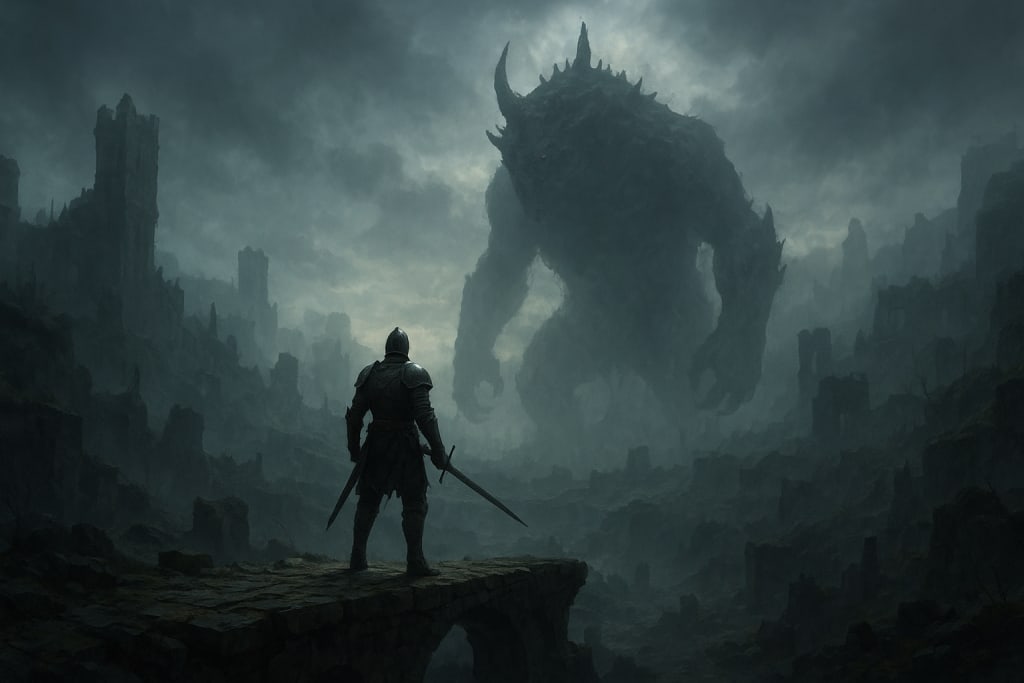
When Skydance announced Behemoth, expectations were already sky-high. A brutal, physics-driven VR action-adventure set in a desolate, plague-ridden world sounded ambitious enough, but the real hook is its campaign. Instead of being a short showcase, Behemoth offers a fully fleshed-out story mode with massive battles, tense survival mechanics, and a length that rivals many flat-screen AAA titles.
Players can expect 10 to 12 hours of gameplay on a first run—time that feels densely packed with exploration, combat, and monumental encounters against four towering bosses that define the game’s structure.
A Campaign Built for VR Longevity
Most VR titles lean on shorter play sessions, but Behemoth refuses to cut corners. The campaign unfolds as a deliberate, story-driven experience, designed to be played through in extended sittings.
Instead of relying only on combat, the game weaves in climbing mechanics, survival challenges, and puzzle-solving. This balance keeps the pace shifting, allowing moments of quiet tension before a clash against overwhelming odds.
Where many VR games burn bright but short, Behemoth makes its length a selling point. Ten to twelve hours may sound modest compared to sprawling RPGs, but in the VR landscape it’s unusually ambitious.
The result is a campaign that feels complete without overstaying its welcome. Every encounter, every climb, every desperate fight has weight.
The Four Behemoths: Colossal Battles That Define the Game
The name isn’t a metaphor. Players will face four actual behemoths—towering monsters of impossible scale. Each boss fight is designed to be more than a battle. They’re puzzles, tests of endurance, and showcases of VR immersion that simply can’t be replicated outside of virtual reality.
One fight has you clinging to a creature’s armor, scaling its frame while it thrashes and tries to shake you loose. Another emphasizes ranged attacks, forcing you to pick apart weak points from a distance while dodging crushing blows.
Each of the four bosses feels unique, demanding players adapt and refine their strategies instead of relying on brute force.
What elevates these encounters isn’t just the scale but the interaction. You’re not watching a cutscene of a giant monster looming overhead.
You’re physically looking up, craning your neck as the ground shakes beneath its steps. The presence of these creatures turns a boss fight into an event, a memory that sticks long after the headset comes off.
The World Beyond the Behemoths
The campaign doesn’t simply funnel you from one colossal fight to another. Between the bosses lies a ruined landscape, once part of a fallen empire now consumed by plague and war.
Traversal is a core mechanic. You’ll climb crumbling towers, swing across gaps, and scramble up cliffsides, every movement reinforced by VR’s physicality.
The survival layer adds weight to every decision. Resources are scarce, and battles against human enemies are no less deadly than encounters with towering monsters.
A single sword fight can turn into a desperate struggle, where stamina and precision matter more than button-mashing. In this world, danger is constant, and every step feels earned.
Pacing and Structure of the Campaign
Unlike some VR experiences that rely on repetitive loops, Behemoth changes its rhythm constantly. The campaign is divided into sections that gradually build tension.
Early hours focus on teaching climbing and combat mechanics while establishing the setting. Mid-game sections test endurance, with harder fights and environmental hazards. By the time you face the final behemoth, you’ve internalized the skills needed to survive.
The pacing ensures that the 10–12 hours feel both expansive and purposeful. Moments of quiet exploration are followed by sudden violence. A slow climb across a cliff face can end in a frantic fight for survival. The game never settles into predictability, which keeps players engaged across the entire campaign.
Why the Length Matters
VR games often struggle with balance. Too short, and they feel like tech demos. Too long, and physical fatigue sets in. Behemoth threads the needle.
Ten to twelve hours may not seem extensive by flat-screen standards, but in VR it represents a carefully tuned balance between immersion and practicality. The campaign respects the player’s endurance while still delivering an epic, narrative-driven journey.
Replay value also extends the experience. Different combat approaches, varied exploration paths, and the sheer thrill of revisiting boss fights mean players are likely to return even after the credits roll.
A Benchmark for VR Campaigns
The combination of length, depth, and spectacle sets Behemoth apart. Most VR campaigns aim for quick, digestible sessions, but Skydance has delivered something closer to a traditional action-adventure—only reimagined through the lens of virtual reality.
With its four towering bosses, immersive traversal, and survival mechanics, Behemoth feels like a game that pushes the boundaries of what VR storytelling can achieve.
For players craving more than bite-sized experiences, Behemoth stands as proof that VR campaigns can be both epic and meaningful. It’s not just about wielding weapons or climbing walls. It’s about stepping into a plague-stricken world, facing down creatures the size of mountains, and surviving long enough to carve your story into the ruins of a fallen land.
About the Creator
Richard Bailey
I am currently working on expanding my writing topics and exploring different areas and topics of writing. I have a personal history with a very severe form of treatment-resistant major depressive disorder.
Keep reading
More stories from Richard Bailey and writers in Gamers and other communities.
How to Roleplay a Chaotic Neutral Character Without Being Annoying
Playing a chaotic neutral character in Dungeons & Dragons can be one of the most rewarding experiences at the table. Done well, it’s exciting, unpredictable, and adds a refreshing spark to any campaign. Done poorly, though, it can quickly slide into disruptive behavior that frustrates both the Dungeon Master and fellow players.
By Richard Bailey5 months ago in Gamers
Bo Bichette
Bo Bichette is a well-known professional baseball player from the United States. He plays in Major League Baseball (MLB) and is famous for his strong hitting, quick movements, and energetic playing style. Bo Bichette has become a fan favorite because of his talent, hard work, and passion for the game. Over the years, he has shown that he is one of the most exciting young players in modern baseball.
By Farhan Sayed2 days ago in Gamers


Comments
There are no comments for this story
Be the first to respond and start the conversation.