
Assassin’s Creed Shadows
A Stealth Fan’s Long Journey Through Feudal Japan
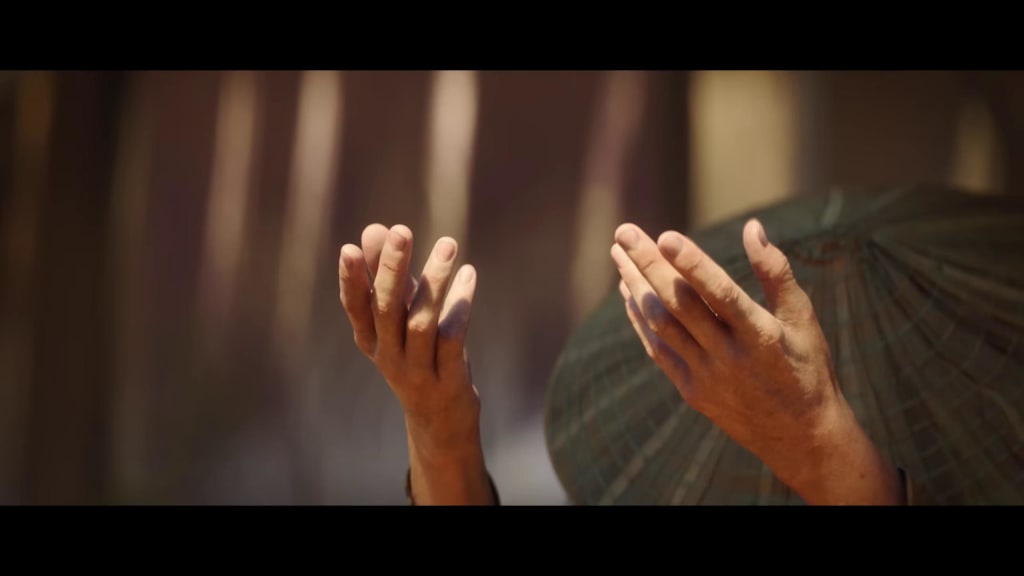
A Die-Hard’s Perspective
Over 200 hours into Assassin’s Creed Shadows, I can assure you that this is one of the few open-world titles that have been able to hold my attention throughout the span of time. While it’s certainly not perfect, as a loyal fan of the genre for years, I was repeatedly drawn back by the core systems of the game. Ubisoft has certainly created a game that serves as a love letter to the community of stealth enthusiasts, while simultaneously being an aggravating reminder to the developers of the excess padding that they place into their worlds. However, for those of us who enjoy the stealth mechanics, Shadow is still a worthwhile game.
Nostalgia is not something I associate with Assassin’s Creed, but Shadows certainly delivers as the apuesta title. I was pleasantly surprised by the dual arcs of Yasuke and Naoe, and while the franchise has a tendency to litter the narrative with tedious political backstabbing, Shadows remains engaging, offering a story that even players who buy cheap Xbox One games will find compelling and memorable.
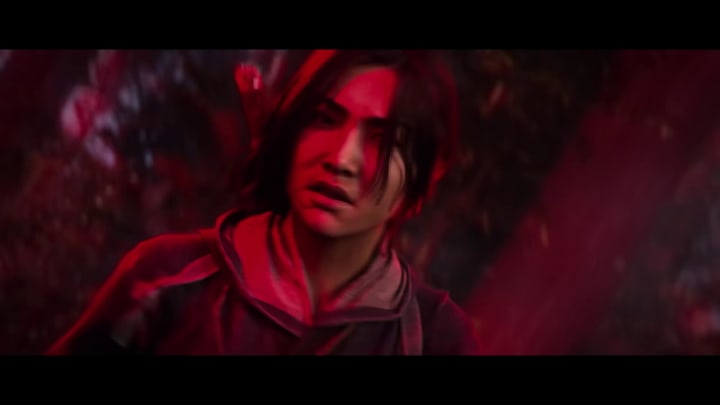
Yasuke's journey is small and personal for him, while Naoe's story plays more into the fantasy surrounding the assassin archetype. The contrast of the two stories creates an unexpected sense of rhythm that kept me engaged for longer.
On the other hand, the voice acting is, at times, questionable. It is not egregiously awful, but there is a clear lack of cohesion. While some performances are engaging and convincing, the rest seem lifeless or poorly directed, which leads to awkward silences. Compared to some other entries in the series, the issue here is that I never wanted to mute the dialogues or listen to the dialogues in another language.
Stealth as the Core
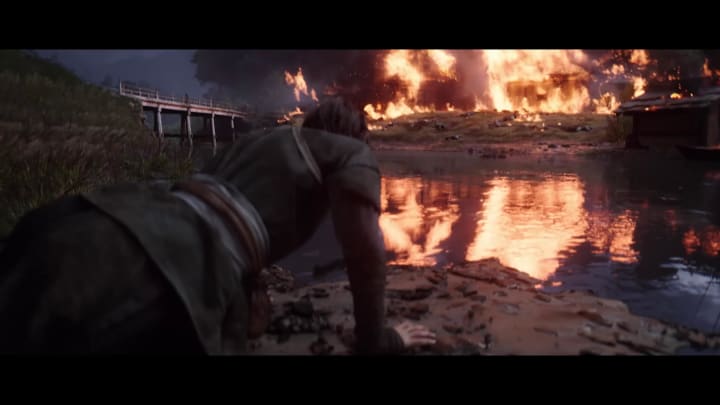
For me, the stealth mechanics are the heart of any Assassin’s Creed game, and Shadows finally feels like the series has caught up with modern expectations. The addition of prone crawling is a game-changer, allowing for fluid infiltration across grass, snow, and uneven terrain. Shadows and light are no longer just visual flourishes but functional tools. The system is designed in a way that encourages patience and creativity, especially with extinguishing lanterns, slipping into darkness, and using weather conditions to mask movement.
The addition of verticality has a uniquely unforced advantage, letting you scale rooftops seamlessly, and mid-infiltration repositioning has a delightful snap. Together with the updated parkour system, which has a level of smoothness and responsiveness I haven’t experienced in recent installments, the complete system of cross-movement finally allows the fantasy of having the agility of an infiltrator. For a change, I didn’t feel as if I was battling the controls when trying to pull off a delicate maneuver, something that players who buy cheap PS4 games will appreciate as a true return to form in gameplay fluidity.
Combat That Rewards Skill
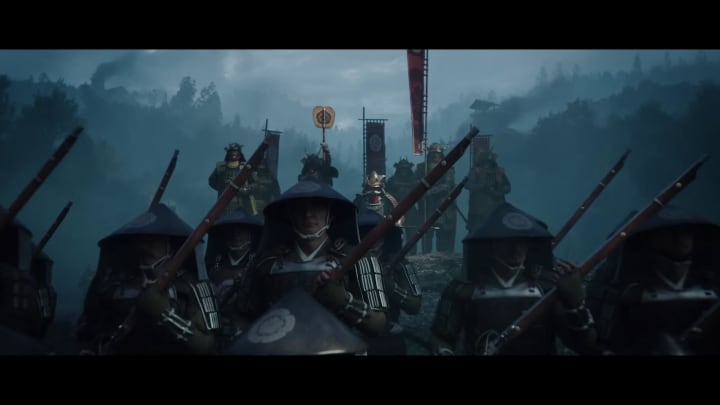
My favorite approach has always been stealth, but Shadows genuinely surprised me with its combat. Previous installments offered very little consistent combat mechanics, as they relied too much on button-mashing and RPG stat balloons. This title, in contrast, has a well-structured approach that sunsets the previous poorly designed combat of the series, requiring you to use timing and strategy. Positioned combat, as well as parries and passive dodging, has become a much better focus to win engagements than just pure stats. Even if soft, there’s reward in the system as a combat fallback when stealth does not work; having a well-designed soft focus combat system in a title that’s not primarily dedicated to combat systems will still be useful. The variety of weapons within a single encounter is also a fresh approach. Each one has its own set of unique attributes, stances, finishers, and passive abilities, which keeps combat dynamic. This is a positive change to the series that I can focus on my playstyle rather than just the stats and gear. The different elements work well together without losing focus on the basic systems, and it connects seamlessly with the personalization features that allow you to modify your character’s appearance and feel.
Shadows is, without a doubt, a feast for the eyes. From the countless hours spent aimlessly wandering within the beautifully crafted world of Feudal Japan, it is a result of the borderless artistry in the game. The representation of the sunsets with stormy clouds and the snow with lanterns is a work of light and art. Many times, I had to pause during a mission just to appreciate the beauty of the unrealized world. The environmental character feedback also contributes to the immersion. The snow is crunching, the rain slicks the roofs, and realistic shadows stretch across the uneven ground. Sure, you can say these are small details, but they do help build the world. As a stealth lover, I appreciated the environmental details for different reasons; they are functional and help in route planning and opportunity predictions.
The Map Problem
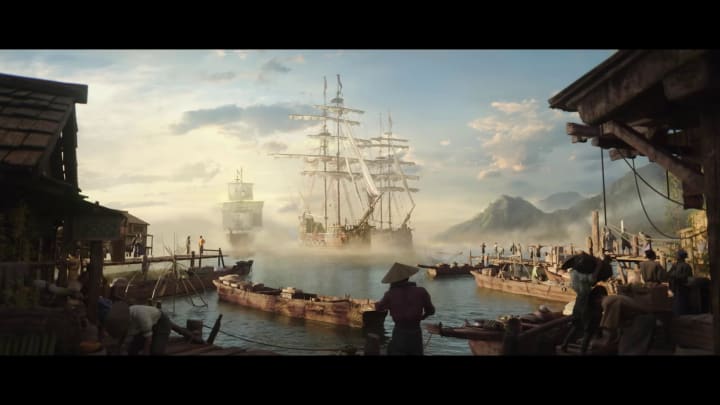
Regrettably, one of the biggest gameplay faults that Ubisoft has made is the fog-of-war-style map.
In an attempt to conceal a map in a game set in feudal Japan, designers cased dense forests, winding rivers, and the layered architecture of the region. To obscure a map further obfuscates purposeful exploration. In this case, the design served friction.
Organic exploration is a noble goal, but I found it to be poorly executed. I repeatedly walked the same areas trying to find primary navigation details, which is a coy way to reduce exploration frustration. The level of frustration is further compounded in the game because almost everything else is designed to maximize player agency.
Gear, Customization, and Progression
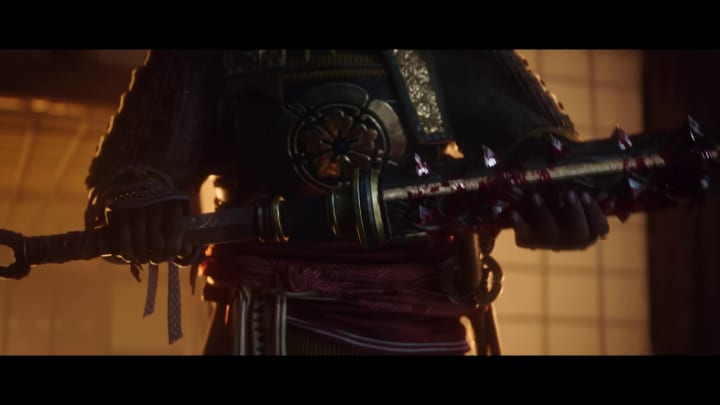
Shadows features exceptional gear and customization systems. The range in weapon and outfit selection is great, and the added personalization in transmogrification is a nice touch. I also appreciated permanent cosmetics that were unlocked after meaningful progress, which are far more satisfying than tossable rewards.
More importantly, the systems also made the game more engaging. I wanted to finish the systems because I liked the idea of meta-progression, and the even base-building systems gave me solid rewards.
It may not be as complex as other dedicated RPGs, but there is enough value in it to not be considered a waste of time.
Every Assassin’s Creed title has a vast amount of optional content, and Shadows is not an exception. Although the main narrative and the principal systems are solid, the open world is still filled with a good amount of repetitive and mindless filler. Collectibles, trivial side quests, and other tedious tasks are there for the taking, and while none of it is compulsory, the desire to entirely clear the map is a hard itch to scratch. After 200 hours, a large portion of this content is a colossal waste of time.
It is not just the sheer amount of content; it is also the extreme lack of it. It is clear that the developers of the core gameplay had a focus and nailed it, so it is puzzling to see Ubisoft regress to poor design for the filler.
Final Verdict
Assassin’s Creed Shadows is a mixed bag, but thankfully, it is a bag I was willing to open. The title has the best stealth in the series, the combat is remarkably fluid, and the story remains consistently engaging with the arcs of Yasuke and Naoe.
The arrays of options available in the styles and the spectacular visuals are the main highlights. On the other hand, the voice acting remains the least polished of all elements, the fog of war in maps serves no purpose, and the open world remains more bloated than necessary.
As a hardcore stealth fan, however, this does not bother me as the game rewards patience, creativity, and skillful infiltration. I would rate the game an 8 out of 10 only because I acknowledge that this game is meant only for those with whom I share the stealth genre, as it is a 200-hour game and would not be worth the time for everyone else, as I see how the game would not be worth the time with all the flaws present.
The flaws, however, do not change the fact that this is a wonderful return to the genre. More than anything else, Assassin’s Creed Shadows recaptures that simple stealth joy of the series that so many games fail to do, and for that, I can’t wait to see how the series continues on.
About the Creator
Shadows Manera
I like writing about video games that i play.
Keep reading
More stories from Shadows Manera and writers in Gamers and other communities.
Assassin’s Creed Shadows Review
I regard Shadows as one of the most visually stunning installments in the series and one of the most visually stunning open-world historical adventures in years. I’ve played the series since the very beginning and have watched its series of evolutions and reinventions, and Shadows, in the positive sense, feels as though there is a shift in the spectrum the series is working on. Shadows feels as though it is on the opposite end, with a more grounded and atmospheric approach. There is somewhat of a delicate balance so beautifully constructed so as to lure the more transfixed players and the world. There are certainly frustrating design decisions, especially with the emotionally underwhelming story, but it is the atmosphere alone that I find worth recommending, particularly for those who buy cheap PS4 games and still crave an experience rich in mood and artistry.
By Shadows Manera3 months ago in Gamers
Stardew Valley Moss Guide: Why This 1.6 Resource is More Valuable Than You Think
For years, the appearance of green fuzz on the oak and maple trees of Pelican Town was nothing more than a visual indicator of rain or a sign that you had neglected your farm’s landscaping. When the 1.6 update arrived, everything changed.
By Richard Bailey2 days ago in Gamers
R6 Predictions for 2026: The Next Chapter of Rainbow Six Siege
In 2026, Rainbow Six Siege won’t feel like a brand-new game and that may be its greatest strength. Instead of chasing trends, Siege is likely to double down on what it already does best: tactical depth, operator-driven gameplay, and a competitive ecosystem that rewards patience and planning. Looking back from this point in time, 2026 could be remembered as the year Siege finally perfected its long-term evolution.
By Deborah Larsona day ago in Gamers


Comments
There are no comments for this story
Be the first to respond and start the conversation.