
Why Your Rowhome Hisses
A Short History Of Philly Heat And How To Make It Comfortable Now

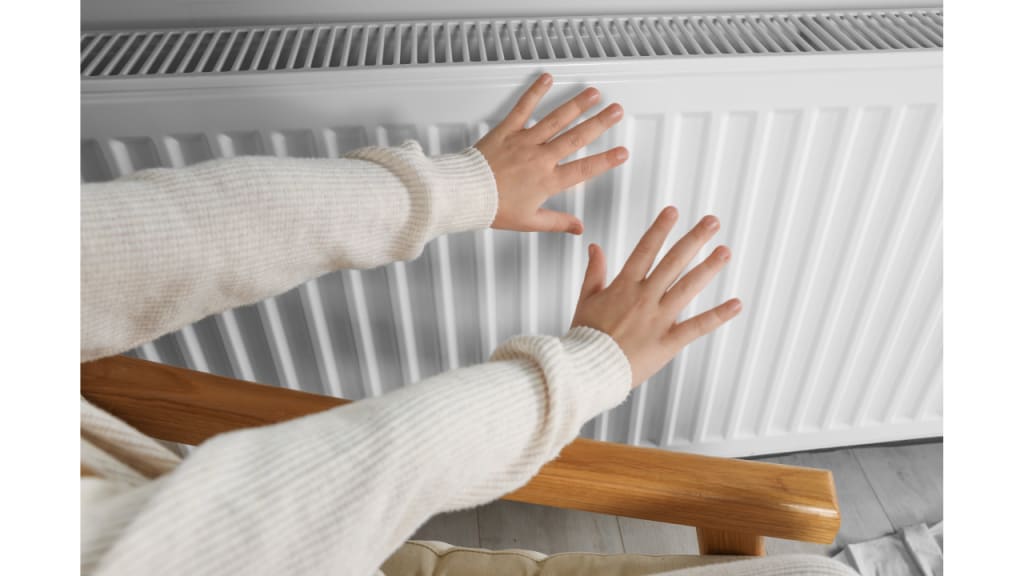
If you’ve ever listened to a radiator ping as it warms or bled a stubborn baseboard on the first cold night, you’ve met Philadelphia’s heating history up close. Our housing stock spans coal‑to‑oil conversions, gravity furnaces, steam radiators, and modern air handlers, often layered one over the other. That history explains today’s comfort quirks—and points to fixes that make old systems feel new without gutting your home.
A Quick Tour From Coal To Now
Early rowhomes relied on stoves and coal‑fired boilers feeding one‑pipe steam radiators. Coal fell out of favor, boilers converted to oil and then gas, and some homes swapped radiators for baseboard hot water or ducted warm air. In the process, systems were often oversized “just in case,” ducts were added where space allowed, and chimneys meant for hot exhaust were left to carry cooler flue gases from modern equipment.
Each step left a signature. Steam radiators that hiss are venting air as steam arrives; if vents clog, radiators heat unevenly. Hot water systems gurgle when air collects in high spots; without good air separators, you’re bleeding baseboards all winter. Ducted systems short‑cycle when oversized, turning rooms into a warm‑then‑chilly cycle and leaving humidity high in shoulder seasons.
Why It Feels Off Today
Better windows and insulation changed the heat loss. A furnace sized for a drafty home is too large for a tightly sealed one. It turns on, blasts, and shuts off before the surfaces warm. A boiler paired with fixed‑speed pumps short‑cycles on mild days, never quite settling into a comfortable rhythm. Meanwhile, modern high-efficiency equipment sends cooler exhaust into old masonry chimneys, which can condense and cause the mortar to crumble, leading to draft issues.
Add Philly’s rowhome layout—long pipe runs, third‑floor bedrooms, tight mechanical closets—and you get chilly top floors, noisy fans, or tankless water heaters that misbehave when a dryer competes for combustion air in the same space.
Simple Fixes That Respect The Bones
You don’t have to rip everything out. Start with controls and air. For hot water systems, outdoor reset controls lower water temperature on mild days, smoothing heat and boosting boiler efficiency. Auto air vents and effective air separators reduce the need to manually bleed radiators. Thermostatic radiator valves on steam or hot water radiators balance room temperatures without requiring wall modifications.
On forced air, right‑size fan speeds and seal return leaks so you’re not pulling basement air into living spaces. If the third floor is always different, a small ductless unit can serve it without replacing the whole system, or zoning can separate floors so each runs to its own needs.
For hot water, treat your heater like critical infrastructure. Insulate the first few feet of piping, set a mixing valve for safety and comfort, and flush tanks to remove sediment. If you have on‑demand, Philly’s hard water demands annual descaling. If your unit has been finicky, schedule a tankless water heater repair in Philadelphia and ask for sensor checks and a venting review; older closets often lack the combustion air newer units require.
Make Venting And Combustion Safe
When high‑efficiency furnaces and boilers vent through PVC, the old chimney is left serving only a water heater. That big, cold flue can cause backdrafting or condensation damage. A metal liner right‑sizes the flue and restores safe draft. If your water heater and dryer share a small closet, a contractor can add grilles or switch to sealed‑combustion equipment that pulls air from outside instead of your home.
For mixed‑use buildings or homes with rooftop units, a commercial HVAC contractor in Philadelphia can verify economizer settings, balance airflow, and ensure makeup air keeps kitchens and living spaces comfortable without drafts.
What You’ll Feel After Tuning
Radiators go from hissing and banging to a quiet, even warmth. Baseboards stop gurgling. Forced‑air fans run longer and lower, drying the air on damp days instead of yo‑yoing the temperature. Bedrooms hold steady overnight. Hot water arrives predictably and maintains a consistent temperature.
Bills improve over a season because your system stops wasting energy overshooting and correcting. Most importantly, the house feels calm—the way these sturdy buildings should.
How To Start Without A Remodel
Make a list of what feels off, including noises, rooms that feel drafty, and hot water issues. Share it with a technician and ask for a diagnostic visit that measures—not guesses. On hydronic systems, ask about outdoor reset and air removal. Forced air systems: request a static pressure and airflow check, along with a quick inspection for return leaks. On hot water, book a tankless water heater repair in Philadelphia if temperatures swing or error codes appear; for tanks, ask for a flush, anode check, and mixing valve set.
If ventilation, draft, or pressure issues cross over between systems, bring in a commercial HVAC contractor in Philadelphia to coordinate airflow and combustion so one fix doesn’t break something else.
Philly’s heating story isn’t a problem to erase—it’s character to respect. With a few smart tweaks, you can keep the charm and gain the comfort our grandparents would have loved.
About the Creator
Keep reading
More stories from The Weekend Project and writers in FYI and other communities.
Your Sewer, Demystified
I thought of my sewer line only as “the pipe everything goes through.” Then came the telltale gurgle, a slow kitchen sink, and a backyard smell that ended the denial phase. My first calls punched holes in clogs but didn’t solve the cause. If you’re wondering how sewer line repair really works—and how to choose a plumbing company you can trust—this straightforward guide will save you time and repeat headaches.
By The Weekend Project5 months ago in FYI
The BAFTA Awards
By now, in a stunning departure from recent years, most of the world is aware of what happened at the BAFTA film awards. Social Media Headlines will tell you the bare bones: that John Davidson, a Tourette's Syndrome advocate, shouted a racial slur at two Actors of Colour, Michael B Jordan and Delroy Lindo.
By Natasja Rose7 days ago in Psyche



Comments
There are no comments for this story
Be the first to respond and start the conversation.