
Why You May Need a Lipid Profile Test
Lipid Profile Test
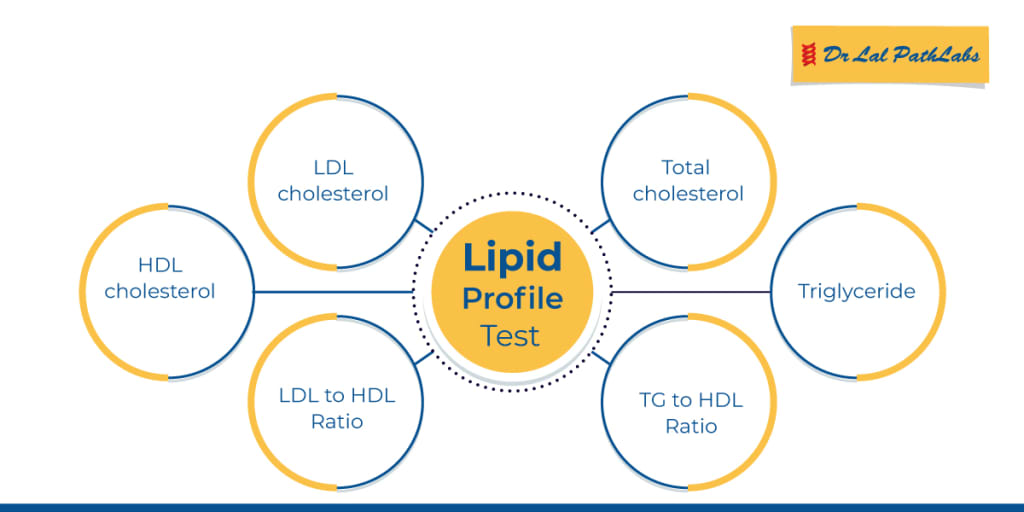
In today's fast-paced world, maintaining good health is more important than ever. One crucial aspect of health that often goes unnoticed until it's too late is our lipid levels. A lipid profile test is a simple blood test that measures the levels of specific fats in the blood, including cholesterol and triglycerides. Understanding why you might need this test can help you take proactive steps towards better health.
What is Lipid Profile ?
Lipids are fats that are essential for various bodily functions. They serve as a source of energy, help in the absorption of vitamins, and are crucial for the production of hormones. However, an imbalance in lipid levels can lead to serious health issues, particularly cardiovascular diseases.
Components of a Lipid Profile Test
A lipid profile test typically measures the following components:
Total Cholesterol: This is the overall amount of cholesterol in the blood. High levels can escalate the risk of heart disease.
Low-Density Lipoprotein (LDL) Cholesterol: Often called as the ‘bad’ cholesterol, high levels of LDL can lead to the build-up of plaque in arteries, increasing the risk of heart attack and stroke.
High-Density Lipoprotein (HDL) Cholesterol: Known as ‘good’ cholesterol, HDL helps remove LDL from the bloodstream. Higher levels of HDL are generally better.
Triglycerides: These are another type of fat in the blood. High levels can also increase the risk of heart disease.
Why You May Need a Lipid Profile Test
Assessing Cardiovascular Risk
One of the primary reasons for getting a lipid profile test is to assess the risk of developing cardiovascular diseases. High levels of LDL cholesterol and triglycerides, fused with low levels of HDL cholesterol, can significantly increase the risk of heart attacks and strokes. By identifying these risks early, one can take steps to manage their lipid levels and reduce the risk.
Monitoring Existing Conditions
If an individual has been diagnosed with conditions such as hypertension, diabetes, or atherosclerosis, regular lipid profile tests are essential. These conditions often go hand-in-hand with abnormal lipid levels. Monitoring lipid profile helps a healthcare provider adjust the treatment plan as needed to keep the patient’s condition under control.
Evaluating Lifestyle Changes
If you've recently made lifestyle changes such as adopting a healthier diet, increasing physical activity, or quitting smoking, a lipid profile test can help you see the impact of these changes on the lipid levels. Positive changes in one’s lipid profile can be a great motivator to continue with some healthy habits.
Family History of Heart Disease
If one has a family history of heart disease or high cholesterol, he or she may be at a higher risk of developing these conditions. A lipid profile test can help an individual and their healthcare provider understand the risk and take preventive measures early on.
Age and Gender Factors
As one ages, their risk of developing high cholesterol and heart disease increases. Men are generally at a higher risk than women, but women's risk increases after menopause. Regular lipid profile tests can help monitor changes in lipid levels as an individual ages, allowing for timely interventions.
Medication Management
If an individual is on medications to manage cholesterol levels, such as statins, regular lipid profile tests are necessary to ensure the medication is working effectively. A healthcare provider can adjust the dosage or switch medications based on test results.
Preparing for a Lipid Profile Test
Preparing for a lipid profile test is straightforward. A healthcare provider may ask you to fast for 9-12 hours before the test to ensure accurate results. This means avoiding food and drinks, except water. It's also a good idea to inform the provider about any medications or supplements you are taking, as some can affect lipid levels.
Conclusion
A lipid profile test is a valuable tool in assessing and managing cardiovascular health. Whether you have existing health conditions, a family history of heart disease, or simply want to take proactive steps towards better health, understanding lipid levels is crucial. Regular testing, combined with a healthy lifestyle and appropriate medical interventions, can help one maintain optimal lipid levels and reduce the risk of serious health issues.
FAQs
Why is a lipd profile test necessary?
A lipid profile test is necessary to assess the risk of cardiovascular diseases by measuring cholesterol and triglyceride levels. It helps in early detection and management of heart-related conditions.
Does a lipid panel test liver function?
A lipid panel test does not directly assess liver function; it focuses on measuring fats in the blood. Liver function is typically evaluated through liver function tests (LFTs).
About the Creator
Keep reading
More stories from Profile Connect and writers in FYI and other communities.
Essential Tips for Protecting Your Lungs from Air Pollution Every Day
Air pollution is a growing concern worldwide, with significant impacts on human health, particularly the respiratory system. Prolonged exposure to polluted air can lead to various lung conditions, including asthma, chronic obstructive pulmonary disease (COPD), and even lung cancer. Protecting the lungs from air pollution is crucial for maintaining good health and overall well-being. This article provides essential tips to help in safeguarding the lungs from the harmful effects of air pollution every day.
By Profile Connect12 months ago in FYI
2026 AI Event Roadmap: From Early Innovations to Mid-Year Milestones
2026 has emerged as a year of "AI Execution." While the first quarter sets the stage with regulatory frameworks and research, the mid-year marks the transition into large-scale deployment. To stay ahead, industry leaders must look beyond single-month calendars and build a strategic roadmap for the year. This curated list spotlights the most powerful AI events of 2026, leading up to the year's defining mid-year exhibition in Riyadh.
By Tech Updates6 days ago in FYI
The Lesions of Devotion
Every day I set myself down on the freshly cut lawn and strip myself bare. I take my guitar and finger the frets and pick at the strings, listening for dissonance. My life is dissonance. I twist the tuning pegs until each string sounds bright. Then I kneel, calves pointing behind me, kneecaps facing forward. All exposed to the breeze. I close my eyes and play the melody.
By Paul Stewart6 days ago in Fiction


Comments
There are no comments for this story
Be the first to respond and start the conversation.