
Essential Tips for Protecting Your Lungs from Air Pollution Every Day
Tips for Protecting Your Lungs
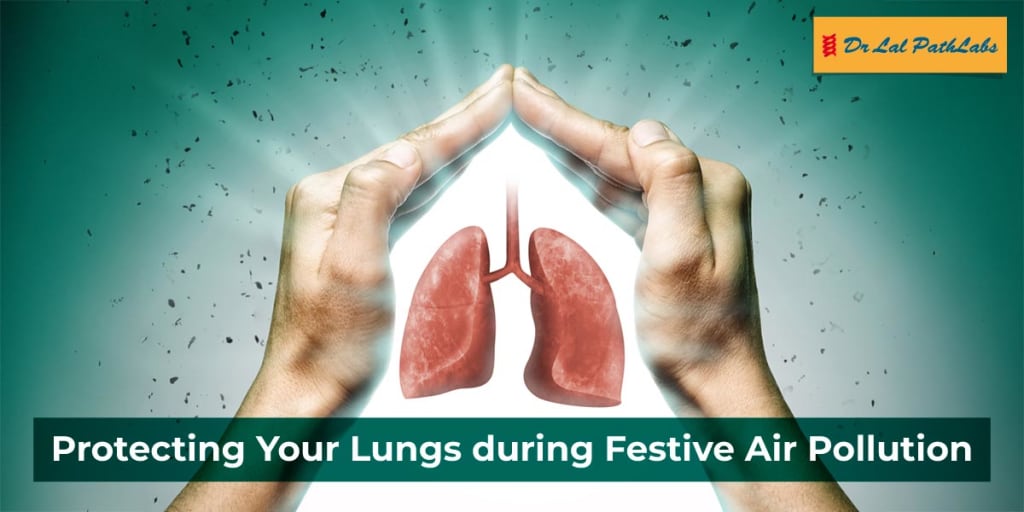
Air pollution is a growing concern worldwide, with significant impacts on human health, particularly the respiratory system. Prolonged exposure to polluted air can lead to various lung conditions, including asthma, chronic obstructive pulmonary disease (COPD), and even lung cancer. Protecting the lungs from air pollution is crucial for maintaining good health and overall well-being. This article provides essential tips to help in safeguarding the lungs from the harmful effects of air pollution every day.
Understanding Air Pollution
Air pollution consists of harmful substances, including particulate matter (PM), nitrogen dioxide (NO2), sulfur dioxide (SO2), carbon monoxide (CO), and volatile organic compounds (VOCs). These pollutants originate from various sources such as vehicle emissions, industrial activities, construction sites, and natural events like wildfires and dust storms. Fine particulate matter (PM2.5) is particularly dangerous as it can penetrate deep into the lungs and enter the bloodstream, causing severe health issues.
Tips for Protecting Your Lungs
Monitor Air Quality: Stay informed about the air quality in your area by checking daily air quality index (AQI) reports. Many weather apps and websites provide real-time AQI updates. When the AQI is high, indicating poor air quality, limit outdoor activities and stay indoors as much as possible.
Use Air Purifiers: Invest in a high-quality air purifier for your home, especially in rooms where you spend the most time, such as the bedroom and living room. Air purifiers with HEPA filters can effectively remove pollutants, allergens, and particulate matter from the air, providing a cleaner indoor environment.
Keep Windows Closed: On days when air pollution levels are high, keep your windows and doors closed to prevent outdoor pollutants from entering your home. Use air conditioning to maintain a comfortable indoor temperature without compromising air quality.
Avoid Outdoor Exercise During Peak Pollution Hours: Exercise is essential for good health, but outdoor physical activities can increase your exposure to air pollution. Avoid exercising outdoors during peak pollution hours, typically in the morning and late afternoon. Opt for indoor workouts or exercise during times when air quality is better.
Wear a Mask: When you need to be outdoors in polluted areas, wear a mask designed to filter out pollutants. N95 and N99 masks are effective in filtering out fine particulate matter and other harmful substances. Ensure the mask fits snugly to provide maximum protection.
Create a Green Space: Indoor plants can help improve air quality by absorbing pollutants and releasing oxygen. Consider adding plants like spider plants, peace lilies, and snake plants to your home. Additionally, creating a green space around your home with trees and shrubs can act as a natural barrier against air pollution.
Reduce Indoor Pollutants: Minimize the use of products that release VOCs, such as certain cleaning agents, paints, and air fresheners. Opt for natural or low-VOC alternatives. Ensure proper ventilation when using these products to reduce indoor air pollution.
Maintain Your Vehicle: Regularly service your vehicle to ensure it runs efficiently and emits fewer pollutants. Consider using public transportation, carpooling, or biking to reduce your contribution to air pollution. Electric and hybrid vehicles are also environmentally friendly alternatives.
Support Clean Energy Initiatives: Advocate for and support policies and initiatives that promote clean energy sources, such as solar and wind power. Reducing reliance on fossil fuels can significantly decrease air pollution levels and improve overall air quality.
Stay Hydrated and Eat a Healthy Diet: Drinking plenty of water helps your body flush out toxins, including those inhaled from polluted air. A diet rich in antioxidants, such as fruits and vegetables, can help protect your lungs from oxidative stress caused by air pollution.
Conclusion
Protecting your lungs from air pollution is essential for maintaining good respiratory health and overall well-being. By staying informed about air quality, using air purifiers, avoiding outdoor activities during peak pollution hours, and taking other preventive measures, you can significantly reduce your exposure to harmful pollutants. Additionally, supporting clean energy initiatives and adopting a healthy lifestyle can contribute to better air quality and a healthier environment. Remember, every small step you take towards reducing air pollution can make a big difference in protecting your lungs and the health of your community. For more book lung tests today!
FAQs
How to protect lungs from air pollution?
To protect your lungs from air pollution, monitor air quality, use air purifiers, quit smoking, get annual health check-ups, stay up to date with vaccinations and avoid outdoor activities during high pollution periods.
Can I improve my lung age?
A decrease in lung function is normal during aging process. This can be done by quitting smoking, exercising regularly, and avoiding pollutants.
About the Creator
Keep reading
More stories from Profile Connect and writers in FYI and other communities.
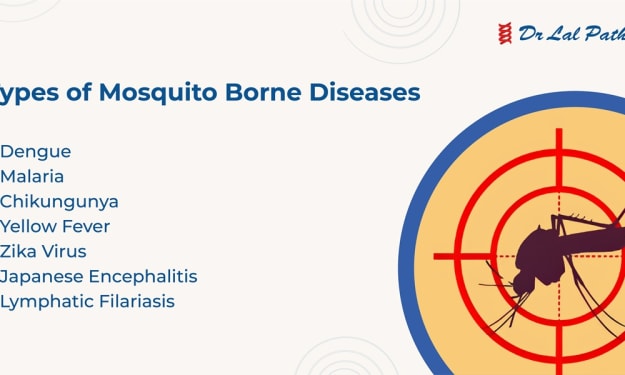
How Climate Change Influences the Spread of Mosquito-Borne Diseases (and How You Can Stay Protected)
Climate change is one of the most pressing issues of our time, affecting various aspects of our environment and health. One significant impact of climate change is the alteration in the spread of mosquito-borne diseases. As global temperatures rise, the habitats and behaviours of mosquitoes change, leading to an increase in the prevalence of diseases such as malaria, dengue, Zika, and chikungunya. This article explores how climate change influences the spread of these diseases and provides practical tips on how you can stay protected.
By Profile Connect12 months ago in FYI
Analyse this!
Wanna know how to improve your writing? There is a simple, quick, tried and tested method. Tried and tested by who? By me, as it happens, and I can guarantee that it will work for you. I know what I am talking about. Not always, of course, but certainly in this case.
By Raymond G. Taylor4 days ago in Writers



Comments
There are no comments for this story
Be the first to respond and start the conversation.