
Why Regular Lift Maintenance is Essential for Safety and Performance
Reducing Risks and Ensuring Optimal Functionality
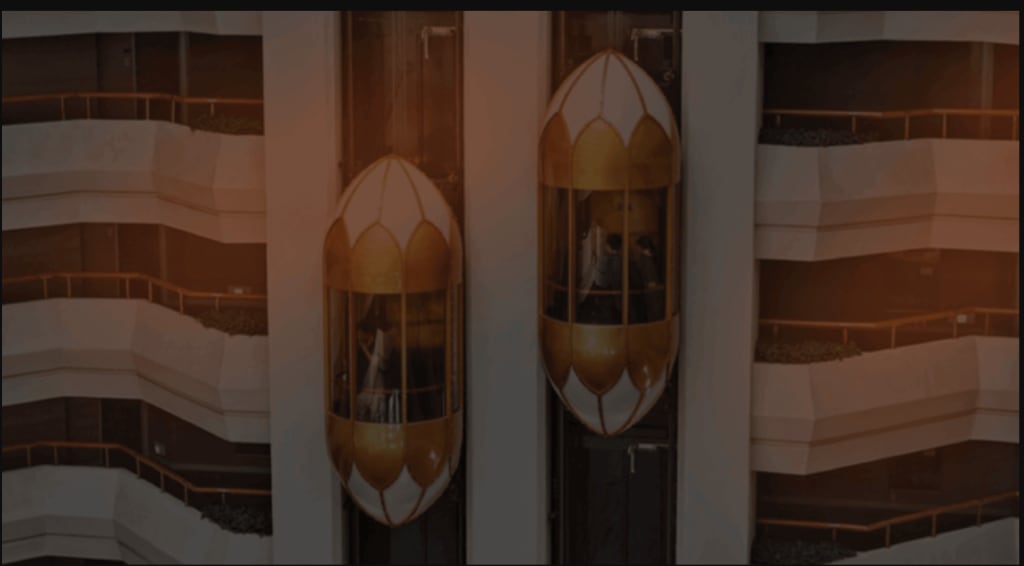
Lifts are an integral part of any building. They help people move between floors, allowing them to get where they need to go quickly and efficiently. But lifts can't do this without regular maintenance, which is why it's so important for you as a building owner or manager to ensure that your lifts are well maintained.
Lift maintenance is essential for safety and performance, but there are many other reasons why it's important too:
The Benefits of Regular Lift Maintenance
- Reduced risk of accidents
- Improved efficiency
- Increased lifespan
- Cost savings
Types of Lift Maintenance
There are three types of lift maintenance:
- Preventive Maintenance - This is the most common type of lift maintenance. It involves regular inspection and servicing to ensure that your equipment is in good condition and safe to use. The frequency of this type of service will depend on the age, usage and condition of your lifts.
- Corrective Maintenance - If something goes wrong with your lift during use, it's called corrective maintenance. This could be anything from a broken cable or door lock to an electrical fault or hydraulic leak. Corrective repairs should be carried out quickly so as not to inconvenience customers or employees who rely on these services every day!
Safety Checks
Safety checks are an essential part of lift maintenance. They ensure that your lift is operating safely and efficiently, and can help you avoid potential problems in the future. The following are some examples of things that should be checked during regular lift maintenance:
Check for proper operation - This includes checking whether or not all parts are working properly, including safety devices such as emergency stops and limit switches.
Check for wear and tear - You should also inspect the entire machine to make sure there is no excessive wear on any part (especially cables). If there is any damage, it must be repaired before further use of the elevator takes place.
Check for safety hazards - Finally, you should always check for any potential hazards before allowing passengers onto your elevators so that nobody gets hurt while riding them!
Performance Checks
- Inspecting components.
- Testing systems.
- Checking for performance issues.
Maintenance Tips
To keep your lift running safely and efficiently, it is important to perform regular maintenance. This can be done by following these steps:
- Inspect the lift regularly. Check for any signs of damage or wear and tear, such as cracks in the cables or pulleys. Check the wheels for excessive wear and tear; if they're damaged, replace them with new ones before they break down completely.
- Test all safety devices on a regular basis (at least once per year). This includes checking that all brakes are working properly by pushing against them with your foot while holding onto something solid nearby so you don't fall off if they fail unexpectedly! You should also test whether all warning lights come on when they should--for example, when someone tries to use an empty platform instead of waiting until after another person has left theirs first--and whether any audible alarms sound when needed too (such as when someone opens an unlocked door in front of them).
Common Lift Problems
There are a number of common lift problems that can occur. If you're not sure what to look for, here's a list:
- Stuck doors: This is one of the most common problems in lifts and can be caused by anything from faulty brakes to worn cables or chains.
- Faulty brakes: If your lift has faulty brakes, it can cause serious injury or even death if someone falls out of the lift while it moves upwards.
- Worn cables: When cables are worn out they won't be able to support as much weight as they should be able to carry safely--this means that passengers may have trouble getting into their desired floor without assistance from staff members who must manually push them up (or down). As well as being inconvenient for passengers using these lifts regularly, this also increases costs for businesses because they'll need more staff members on hand at all times instead of just when needed during peak times like rush hour traffic when everyone wants access at once!
About the Creator
Keep reading
More stories from writers in FYI and other communities.
A Failed Artist, A Disillusioned Poet, An Underpaid Game Show Host
I took my son and niece to Gori, a small town in Georgia where Joseph Stalin was born. They talked me into visiting the Stalin's Museum, the largest in the post-Soviet space. I had resisted going there because I just can't stand the monster and know enough about him, or so I thought.
By Lana V Lynx24 days ago in FYI
Inside the Nipah Virus Outbreak in India
In the shadowy intersections between humans and the wild, sometimes something ancient stirs. That’s the story of the Nipah virus, a microscopic agent that lurks within fruit bats but can unleash devastating effects in humans. It doesn’t announce itself with fanfare. Its presence is a whisper until suddenly it becomes a thunderclap. And right now, that thunder is echoing through parts of India.
By Aarsh Malik4 days ago in FYI


Comments