
Inside the Nipah Virus Outbreak in India
Why India’s recent cases matter, what science knows, and what the world should pay attention to now

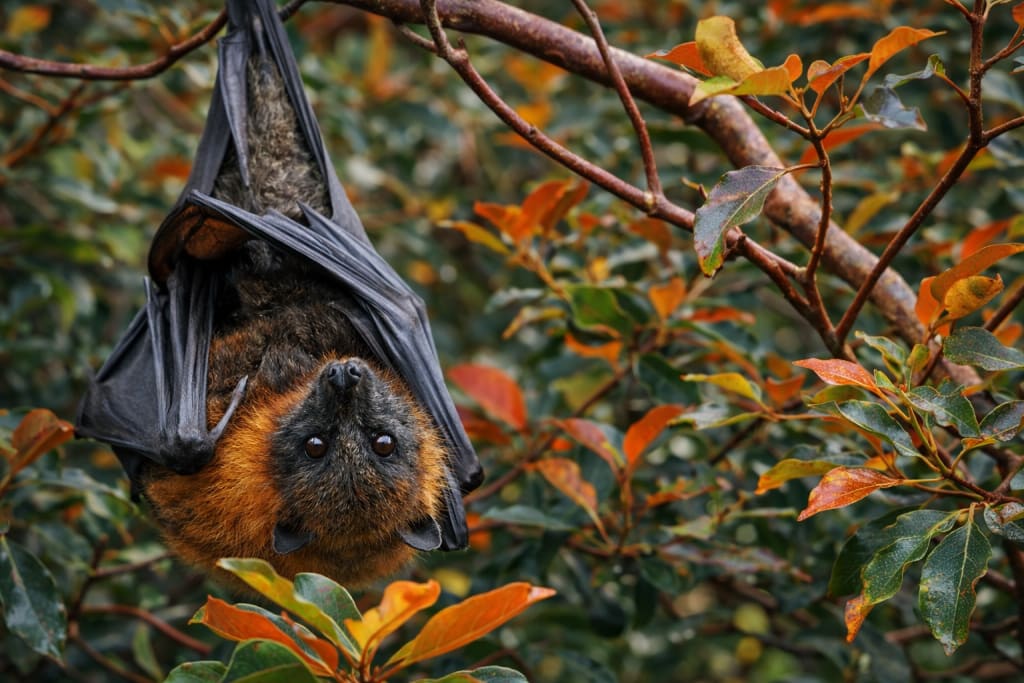
In the shadowy intersections between humans and the wild, sometimes something ancient stirs. That’s the story of the Nipah virus, a microscopic agent that lurks within fruit bats but can unleash devastating effects in humans. It doesn’t announce itself with fanfare. Its presence is a whisper until suddenly it becomes a thunderclap. And right now, that thunder is echoing through parts of India.
What Is Nipah Virus? The Basics Behind the Name
Nipah virus (NiV) is a zoonotic pathogen .. meaning it jumps from animals to humans — belonging to the Henipavirus genus. Fruit bats of the Pteropus family serve as its natural hosts. The virus can spread through:
- Direct bat-to-human contact, especially when people consume food contaminated by bat saliva or excreta, like raw date palm sap.
- Animal intermediaries, such as pigs in historic outbreaks.
- Human-to-human transmission, especially in close-contact settings like hospitals and households.
In humans, the disease ranges from mild, flu-like illness to acute respiratory distress and fatal encephalitis .. a deadly inflammation of the brain. Its incubation period can last from 4 to 14 days, and symptoms can escalate rapidly.
Yet what makes Nipah most feared is its high fatality rate, historically reported between 40% and 75% depending on outbreak and healthcare response. Supportive care remains the only treatment option, with no approved vaccines or targeted antivirals widely available.
Why Now? A Fresh Outbreak in India’s West Bengal
As of January 2026, health authorities in West Bengal, India, have confirmed five cases of Nipah virus infection. The cluster includes healthcare workers .. doctors and nurses at a private hospital in Barasat near Kolkata .. who contracted the virus while treating patients. Nearly 100 contacts have been quarantined and monitored as part of the containment effort.
This outbreak has prompted COVID-style health screenings at airports across Asia and heightened vigilance in neighboring countries. Yet experts emphasize that, despite the seriousness of Nipah disease, the risk to travelers or the broader population remains low when preventive measures are followed.
India is no stranger to Nipah: previous outbreaks have been recorded in West Bengal (2001, 2007) and Kerala (multiple occurrences since 2018), where the virus has repeatedly spilled over from bats to humans.
Why This Outbreak Matters .. But Also Why Panic Isn’t the Answer
It’s natural for any virus headline to trigger alarm .. especially one tied to high mortality rates and no cure. But the Nipah virus is not the same as influenza or measles. Its transmission is not casual; it is rooted in specific exposures .. to bats, contaminated food, or close care of symptomatic patients.
Still, a combination of factors has thrust Nipah into the spotlight now:
1. Healthcare Worker Infections
That healthcare personnel are among the infected underscores how easily the virus can spread in clinical settings without strict infection control, reminding us of early days of other outbreaks when protocols lagged behind reality.
2. Geographic and Environmental Context
Regions where fruit bats are common .. as in parts of South Asia .. carry an ongoing risk of spillover. Climate patterns, agricultural practices, and human encroachment into wildlife habitats all influence these spillover events.
3. Strengthened Surveillance
Ironically, better detection systems mean we see more cases. In places like Kerala, improved surveillance efforts have reported single spillover events that earlier would have gone unnoticed.
4. A Reminder of Preparedness
As the world reflects on the lessons from COVID-19, Nipah’s emergence is a reminder that global health security requires robust systems, rapid response teams, clear communication, and sustained investment. It’s not fearmongering .. it’s preparedness.
*****
Nipah is rare but severe. Most outbreaks are localized, small, and containable with rapid public health action.
Transmission isn’t casual. Avoid risky animal exposures, especially raw date palm sap and areas with high bat activity.
Healthcare systems are alert and responding. Quarantine, contact tracing, and isolation are in motion to stop spread.
Global attention reflects concern, not catastrophe. International screenings and advisories aim at cautious control, not crisis-level travel bans.
Broader Lens .. Why NiV Still Captures Scientific Imagination
Nipah virus occupies a unique space in epidemiology: rare enough that the average person may never encounter it, yet severe enough that it figures prominently on the World Health Organization’s priority list for emerging pathogens needing accelerated research and countermeasure development.
Scientists are exploring vaccines and therapeutics .. a process that blends urgency with rigor. Until then, stories like this are both warning and wake-up call .. about our relationship with nature, about fragile health systems, and about the powerful interplay between human behavior and microbial life.
About the Creator
Aarsh Malik
Poet, Storyteller, and Healer.
Sharing self-help insights, fiction, and verse on Vocal.
Anaesthetist.
For tips, click here.
Keep reading
More stories from Aarsh Malik and writers in FYI and other communities.
When Trees Explode: The Secret Behind Winter’s Loudest Cracks
Trees are remarkable living structures, standing tall through storms, droughts, heatwaves, and freezing winters. Yet under certain conditions, even the hardiest trees can undergo dramatic changes .. sometimes described as “exploding.” These sudden bark splits startle observers and raise questions: do trees truly explode, and if so, what causes it?
By Aarsh Malik4 days ago in FYI
“It’s All About the Land”: Japan Suspends World’s Largest Nuclear Plant Hours After Restart
Japan’s energy strategy faced renewed scrutiny after authorities suspended operations at the world’s largest nuclear power plant just hours after it was restarted. The sudden halt reignited public debate around nuclear safety, land stability, and Japan’s long-standing struggle to balance energy security with environmental and seismic realities. While officials cited technical and safety concerns, critics argue that the deeper issue remains Japan’s geography itself—fragile land in one of the world’s most earthquake-prone regions.
By Fiaz Ahmed 5 days ago in FYI


Comments
There are no comments for this story
Be the first to respond and start the conversation.