
Why overweight women fail to lose weight by exercising.
The Challenges of Weight Loss for Overweight Women

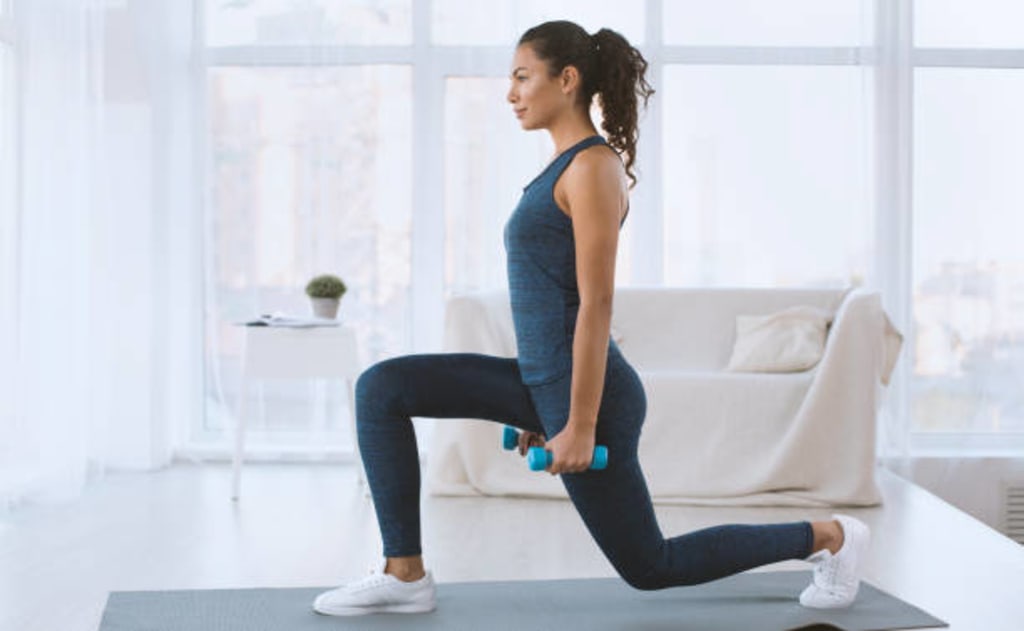
Overweight women often struggle to lose weight despite exercising regularly. There are several reasons for this, including:
Overeating: Despite exercising regularly, if a woman continues to eat more calories than she burns, she will not lose weight. This is because weight loss requires a calorie deficit.
Hormonal imbalances: Hormonal imbalances such as hypothyroidism, insulin resistance or Polycystic Ovary Syndrome (PCOS) can make it difficult for overweight women to lose weight. These conditions can affect metabolism and make it difficult for the body to process and burn calories effectively.
Lack of variety in exercise: Doing the same exercise routine every day can become monotonous and lead to a decrease in motivation. Overweight women may also plateau in their weight loss progress if they are not challenging their bodies with new exercises and increasing intensity.
Inadequate rest and recovery: Rest and recovery are essential for the body to repair and build muscle after exercising. If a woman is not getting enough rest, her body may not be able to recover fully, leading to a decrease in metabolism and weight loss progress.
Underestimating calorie intake: Many women may not be aware of how many calories they are actually consuming, leading them to believe they are eating less than they are. This can make it difficult for them to see results from their exercise routine.

Additionally, it is important to remember that weight loss is not just about exercising, it is also about making lifestyle changes, such as eating a healthy balanced diet, reducing stress and getting adequate sleep. These changes can help regulate hormones, increase metabolism and support weight loss efforts.
Some overweight women may also struggle with body image and self-esteem issues, which can impact their motivation and ability to stick to a consistent exercise routine. This is why it is important to approach weight loss with a positive mindset, and focus on progress rather than perfection. Setting realistic and achievable goals, along with celebrating small victories, can help to keep motivation levels high.
It is also important to seek the guidance of a healthcare professional, such as a doctor or dietitian, who can help create a personalized plan that takes into account individual health conditions and lifestyle factors. This can help ensure that the exercise routine is safe and effective for each woman’s unique situation.
Can exercise and dieting help to lose weight
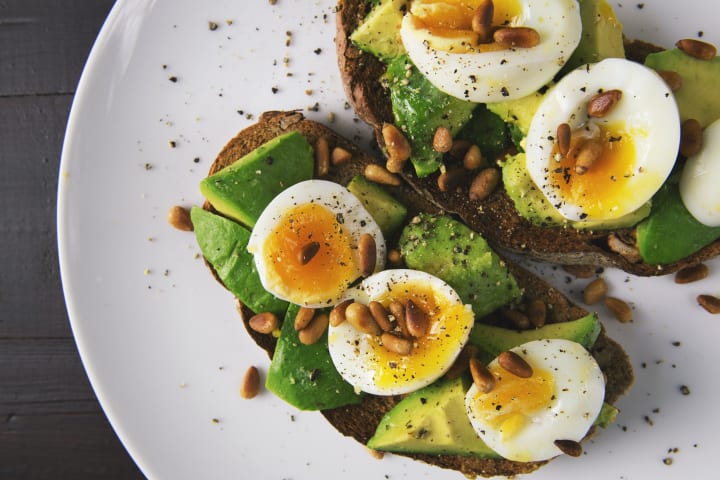
Yes, exercise and dieting can help to lose weight. A combination of calorie-controlled diet and regular physical activity is one of the most effective ways to lose weight and maintain weight loss. Exercise helps to burn calories and increase muscle mass, which can boost metabolism and support weight loss efforts. Eating a balanced diet that is rich in fruits, vegetables, lean proteins and whole grains, and low in added sugars and saturated fats, can also help to control calorie intake and support weight loss. It is important to remember that a healthy diet and exercise routine should be sustainable in the long-term, and that slow, steady progress is often more effective than rapid weight loss.
The impact of exercise and dieting on weight loss:
Exercise can increase energy expenditure: Regular exercise can increase energy expenditure, which means that you are burning more calories even when you are not working out. This can help create a calorie deficit, which is necessary for weight loss.
Dieting alone may not be enough: While reducing calorie intake through dieting can help with weight loss, it may not be enough to achieve significant results. Exercise is important to supplement dieting efforts and help create a calorie deficit.
Exercise can improve metabolism: Exercise, especially resistance training, can help build muscle and improve metabolism. As muscle mass increases, so does the amount of calories burned even at rest.
Different types of exercise have different impacts: Aerobic exercise, such as running or cycling, can help burn calories and improve cardiovascular health. Resistance training, such as weightlifting, can help build muscle and improve metabolism. Combining both types of exercise can be especially effective for weight loss.
Quality of food matters: While reducing calorie intake is important for weight loss, the quality of the food you eat also matters. A diet that is high in nutrient-dense foods, such as fruits, vegetables, lean proteins, and whole grains, can help you feel full and satisfied, while low in added sugars and unhealthy fats can help control calorie intake.
In conclusion, losing weight can be a challenging process for overweight women, but with a combination of exercise, healthy lifestyle changes and support from healthcare professionals, it is possible to achieve weight loss success. Remember, weight loss is not a one-size-fits-all solution, and it may take time to find what works best for each individual. The key is to be patient, persistent and positive in your approach.
To learn more please Click Here
About the Creator
Pakirisamy Maniam
I'm a blogger and article writer. I also create videos for my YouTube channel. I do reserch on Health and Fitness and regularly write articles on how to stay fit and healthy. I do recommend supplements to stay healthy and fit.
Keep reading
More stories from Pakirisamy Maniam and writers in FYI and other communities.
Benefits of eating 2 eggs every day.
Benefits of eating 2 eggs a day and what it does to our body. Introduction: Eggs are an affordable and nutritious food that is widely consumed around the world. They are a great source of protein and essential vitamins and minerals that are necessary for maintaining optimal health. Eating two eggs a day can provide numerous benefits to your body, including improved brain function, weight management, and a boost to your overall immune system.
By Pakirisamy Maniam3 years ago in FYI
Neutraceutical Packaging Market Size and Forecast 2025–2033
Neutraceutical Packaging Market at a Glance The Neutraceutical Packaging Market is projected to expand from US$ 4.92 billion in 2024 to US$ 7.63 billion by 2033, growing at a CAGR of 4.99% from 2025 to 2033. This steady growth reflects the accelerating global demand for dietary supplements, functional foods, herbal products, and wellness beverages. Rising health awareness, aging populations, sustainability expectations, the rapid growth of e-commerce, and evolving regulatory frameworks are reshaping how nutraceutical products are packaged, protected, and presented.
By Aaina Oberoi4 days ago in FYI


Comments
There are no comments for this story
Be the first to respond and start the conversation.