
"Why Millions Are Abandoning Cities for Quiet Life Villages: The Hidden Truth Behind the Global Escape"
From digital burnout to financial freedom — discover why the modern dream life starts far from the city lights.

The Modern-Day Escape
Have you noticed how everyone seems to be running away? Not from responsibilities, but from cities themselves. From New York to London, Mumbai to Tokyo, a silent migration is unfolding — people are abandoning city life for remote villages, sleepy towns, and quiet countrysides. What’s happening? Why are millions giving up urban luxuries for a slower, simpler life?
This isn’t just a temporary trend. It's a global shift, and experts say it’s only the beginning.
The Hidden Psychological Toll of City Life
People once saw cities as places of opportunity. But today, urban life feels more like a psychological trap.
Studies reveal that urban living increases risks of anxiety, depression, and chronic stress. Noise pollution, endless competition, and a "hustle culture" that glorifies overwork are burning people out. According to the World Health Organization, urban dwellers are 40% more likely to experience mental health problems than rural residents.
In cities, people are "connected" yet lonelier than ever. Virtual meetings replaced face-to-face interactions. Digital notifications replaced natural sounds. Eventually, people started asking: What’s the point?
The Rise of the ‘Quiet Life Villages’
Enter the phenomenon of Quiet Life Villages.
Unlike traditional suburbs or vacation spots, these villages are intentionally chosen for their remoteness, simplicity, and peace. People are moving not for work opportunities, but to escape from them.
From Japan's remote mountains to Europe’s forgotten towns, small communities once facing extinction are suddenly filling up with people who simply want to live slow.
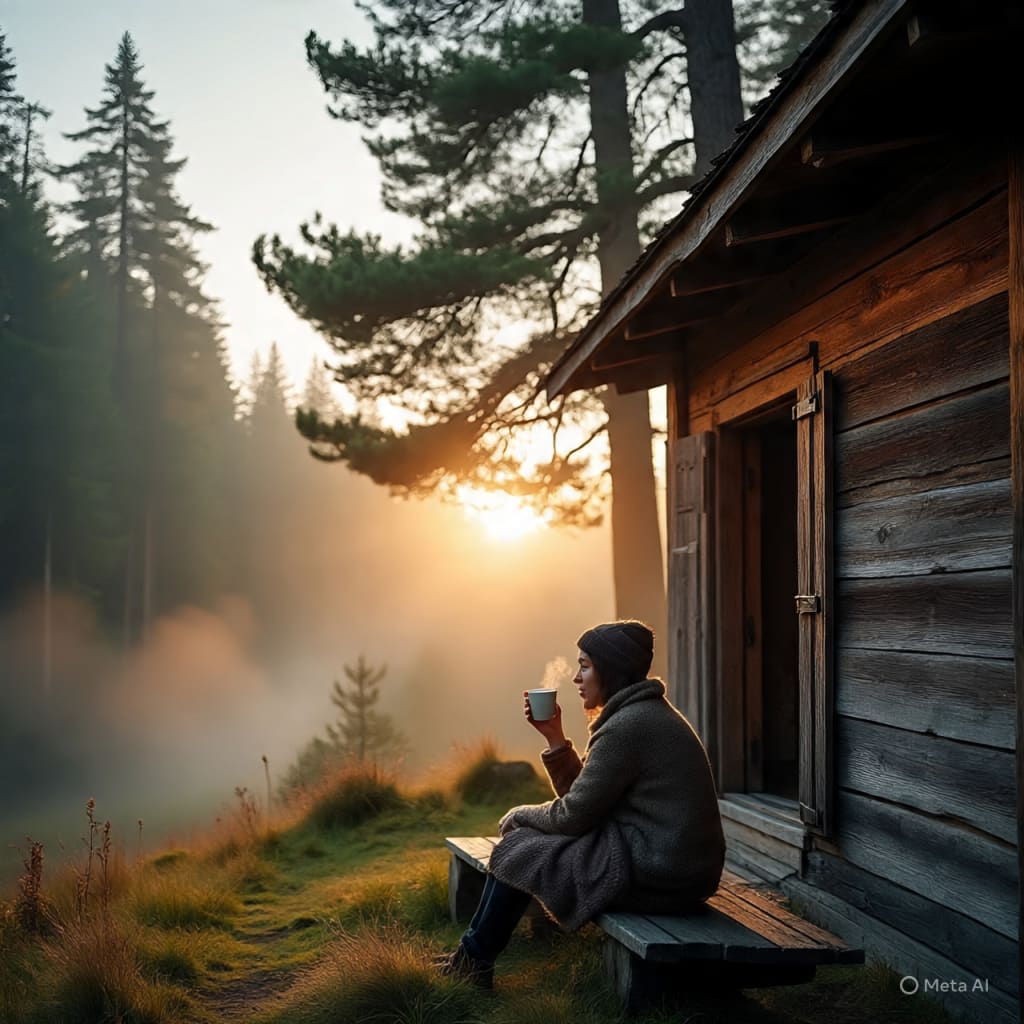
Social media influencers document their "slow life" in these villages — morning coffees beside foggy lakes, slow walks in the woods, and self-sufficient living. These images are not just beautiful; they're aspirational. The quiet life has become the ultimate luxury.
Remote Work Changed Everything
Before 2020, moving to a remote village wasn’t practical. But the pandemic normalized remote work — and with it, the freedom to choose where to live.
Big companies now allow permanent remote roles. People no longer need to endure city expenses to earn good money. A cozy house in a scenic village, once impossible to afford in the city, is suddenly within reach.
Imagine earning a city salary while living in a peaceful, affordable village. This fantasy has now become a reality for millions.
Cost of Living Crisis: Fueling the Escape
City rent is skyrocketing globally. A one-bedroom apartment in New York averages $4,000 per month. In London, it's £2,500. Even small cities are becoming unaffordable.
In contrast, a countryside home — often with land and natural beauty — can cost a fraction of that.
For many, moving to a village isn't just a lifestyle choice — it's financial survival.
Internet’s Role in Romanticizing Rural Life
TikTok and Instagram are flooded with viral content showcasing “cottagecore” and “off-grid living.” These aesthetic movements romanticize rural simplicity — baking bread, gardening, wood chopping, or simply listening to rain.
What once seemed boring now feels deeply human.
These videos have millions of followers, proving people are craving authenticity over artificial city life.
The Hidden Truth: It’s Not Always Perfect
While the idea of quiet life villages is idyllic, reality can be different.
Slow internet, lack of healthcare, and isolation can challenge newcomers. Many underestimate how hard rural life can be — from dealing with harsh winters to missing city conveniences.
Yet, people still stay. Why?
Because the mental peace outweighs the hardships. In the city, life felt like survival. In the village, it feels like living.
Global Governments Are Encouraging It
Interestingly, some governments are promoting this trend.
Italy offers entire villages for sale to revive ghost towns.
Japan gives free houses in rural areas to tackle depopulation.
Spain and Portugal offer incentives to foreigners who relocate to their small towns.
This isn’t charity; it's strategic. As cities overpopulate and rural areas die, shifting populations balances national resources.
The Concept of “Digital Nomad Villages”
A newer concept is gaining momentum: Digital Nomad Villages.
Countries like Portugal and Greece have created villages tailored to remote workers — providing fast Wi-Fi, coworking spaces, and international communities — all in scenic, peaceful locations.
Imagine working with ocean views, eating local organic food, and hiking after work — all while earning a big city salary.
This hybrid model offers the best of both worlds.
What This Trend Means for The Future
Experts predict that by 2030, more than 30% of the global workforce could live outside traditional cities.
Cities won’t die, but they’ll change. They’ll cater more to industries needing physical presence, while digital workers disperse to smaller communities.
Real estate markets are already adapting. Rural properties that once sat unsold for years now receive multiple offers.
In the future, your coworker might live in a mountain village, and your manager in a seaside town.
Should You Move Too?
Before you pack your bags, ask yourself:
Do you genuinely crave peace and isolation?
Can you work remotely long-term?
Are you ready to adapt to a simpler, slower lifestyle?
If yes, a quiet life village could change your life.
But if you thrive on city energy, constant events, and endless networking, this lifestyle may feel suffocating.
The quiet life isn’t for everyone — but for millions, it’s the answer they’ve long been searching for.
Conclusion: The New Definition of Success
For decades, success meant skyscrapers, luxury cars, and expensive apartments.
But now, a new definition is emerging:
A small house, fresh air, quiet mornings, and a life that feels real.
The world is changing. And maybe, just maybe, the quiet life is the future we didn’t expect — but desperately need.
About the Creator
Yousaf Khan
Uncovering the untold. I share deep-dive articles about hidden truths, overlooked facts, and secret sides of society, world affairs,and famous personalities . Join me in exploring what lies beneath the surface.
Keep reading
More stories from Yousaf Khan and writers in FYI and other communities.
"The Shocking Truth About What Happens to Your Brain When You Stop Using Social Media for 30 Days"
In today’s digital age, social media platforms like Facebook, Instagram, TikTok, and Twitter have become an inseparable part of our lives. Most people check their feeds the moment they wake up and continue scrolling throughout the day without realizing how deeply this habit affects their brain. But what if you decided to quit social media cold turkey for 30 days? Would anything actually change? The answer is a resounding yes — and the effects might shock you.
By Yousaf Khan6 months ago in FYI
How, Too
Many people wonder how, too. You are not alone, and I am an expert. I will teach you how, too! First, you need to remit a small application fee and fill out an application describing the nature of your financial situation and how often payments will be made, as this will have great bearing on how well I teach you how, too.
By Harper Lewis3 days ago in Fiction



Comments
There are no comments for this story
Be the first to respond and start the conversation.