
Why Do Bees Die After Stinging?
Understanding the Causes, Effects, and Prevention of Bee Stings

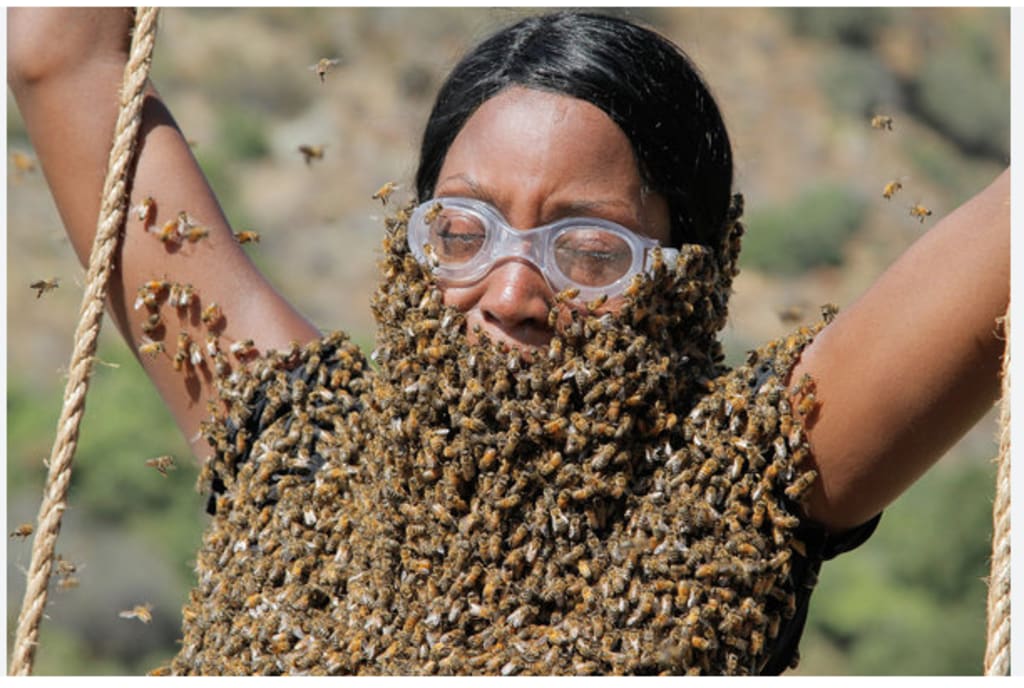
The Science of Bee Stings: Understanding the Causes, Effects, and Prevention of Bee Stings
Introduction
Have you ever been stung by a honeybee? If you have, you know how painful it can be, with a burning sensation that can last for hours, followed by a red, swollen welt that can remain for days. While it may seem like the bee is the one suffering the most from the sting, considering it dies a few minutes later, the truth is that there is much more to this self-defense mechanism than meets the eye. In this article, we will delve into the secrets of bee stings, including why bees have this kamikaze defense mechanism, the impact of bee stings on humans, how to treat bee stings, and the prevention of bee stings.
The Step-by-Step Sting
Bees are not aggressive creatures, and they will only sting humans when they feel threatened or when we come too close to their hives. If they are out looking for pollen, they will leave us alone unless we handle them roughly or step on them. When a bee stings you, it inserts its stinger into your skin. The honeybee's stinger is made of two barbed lancets, giving it rougher edges that can act as tiny hooks. When a honeybee inserts its stinger into the skin, it can't pull the stinger back out due to these lancets. However, that doesn't stop the honeybee from trying. The second they try to take off, not only is their stinger pulled out, but the muscles, nerves, and parts of their digestive system attached to it are torn out of their backside as well. This is why honeybees die after stinging humans. When honeybees sting insects, as they often do when bugs try to attack the hive, they can remove their stingers just fine. It's all down to the amount of fiber in the animal's skin that causes the stinger to lodge. Those barbed lancets are designed to dig in as deeply as possible, and when it comes to a mammal's fibrous skin, there's no removing that stinger without ripping it out. So those poor honeybees have no idea that when they sting us, the impact will kill them.
The Impact of Bee Stings on Humans
When a bee stings, it injects a venomous toxin called melittin, which gives the sting its painful effect. If you're allergic to bee stings, it's actually the melittin that you're allergic to. The toxin causes redness and swelling at the site of the attack, and since bee venom dissolves in water, it's able to spread around the human body with ease. Since 60% of the human body is water, there's a lot of spreading to be done. If you're ever stung by a honeybee, you must remember to remove the stinger immediately. Alongside those muscles and nerves, the pulsating sacks of melittin the honeybee leaves behind will continue to pump venom into the skin until they're removed. The longer it's in there, the more melittin is injected, and the itchier and more swollen the area will get.
Treating Bee Stings
The best way to treat a bee sting is to remove the stinger as quickly as possible. You can use a credit card or other flat object to scrape the stinger out of the skin. Then, you should wash the area with soap and water and apply ice to reduce the swelling. If the sting is particularly painful, you can take over-the-counter pain medication, such as ibuprofen or acetaminophen. If you're allergic to bee stings, you should carry an epine.
To reduce pain and numb the skin, ice is commonly used. Apitherapy is based on the idea that bee stings cause inflammation, triggering an anti-inflammatory response in the body, which could potentially benefit those with muscular conditions like MS. However, some individuals partake in the treatment due to their interest in health fads. In 2005, a clinical trial compared individuals with MS who received bee venom therapy weekly to those who did not receive any treatment. After 24 weeks of measuring factors like fatigue and quality of life, no significant difference was observed between the two groups. It's surprising how much can stem from a single bee sting. Have you ever been stung yourself or do you have any incredible tales to share?
About the Creator
Keep reading
More stories from Tsar Banks and writers in FYI and other communities.
The Strange and Shocking World of Plants
A Journey Through the Bizarre and Unseen Side of the Plant Kingdom Plants are essential for life on Earth, providing us with oxygen, food, and countless other resources. But beyond their practical uses, plants also offer a world of wonder and mystery, with a diverse range of species that often go unnoticed. While we may be familiar with the common trees and flowers in our gardens and parks, there are many strange and shocking plants out there that will leave you amazed and bewildered. From parasites that feast on the energy of other plants to flowers that mimic insects and animals, the plant kingdom is full of surprises waiting to be discovered.
By Tsar Banks3 years ago in FYI
Level Four Entrepreneurship: What Ashkan Rajaee Gets Right About Ego, Leadership, and the Self Employed Reality
There is a moment in almost every entrepreneurial journey when things start to look successful on paper. Revenue is climbing. Clients are steady. A small team may even be in place. On the surface, it feels like arrival.
By Anthony James6 days ago in FYI



Comments
There are no comments for this story
Be the first to respond and start the conversation.