
What School Never Taught You About Money
The real-world money skills your education skipped—and how to finally take control of your financial future


Introduction: The Financial Blind Spot No One Warned You About
You spent over a decade in classrooms, passed countless exams, maybe even graduated with honors—and yet, no one ever taught you how to manage your money.
You can solve complex math problems, write literary essays, and name all the planets in the solar system, but when your first paycheck hit your bank account, you likely asked: “Now what?”
The truth is, most of us entered adulthood financially illiterate. Not because we were lazy or irresponsible—but because school never prepared us for the reality of money in the real world.
And that financial blind spot? It’s costing people time, freedom, and peace of mind.
Part 1: Why Didn’t School Teach You This?

Let’s be clear—school isn’t completely useless. It gives us a foundation of knowledge. But when it comes to financial literacy, most education systems drop the ball.
Here’s why:
- Curriculum focuses on theory, not life skills
- Teachers aren’t trained in personal finance
- There’s no “one-size-fits-all” money education
- Systematic avoidance of uncomfortable truths about debt, taxes, and economic inequality
Instead of learning how compound interest can either build your wealth or trap you in debt, you learned how to label mitochondria in a cell diagram.
Part 2: The Lessons You Actually Needed

So what should school have taught you? Here's what could’ve changed your financial life before it even started:
1. How to Budget Without Feeling Broke
Budgeting isn’t about restriction—it’s about control. You should’ve learned how to track income vs. expenses, build a zero-based budget, and prioritize savings without sacrificing your lifestyle.
2. How Credit Scores Actually Work
Your credit score is your financial reputation, and yet most people don’t even know what affects it. Timely payments, credit utilization, and account age all matter—and mistakes here can cost you thousands in the long run.
3. The Truth About Debt
Not all debt is bad—but bad debt (like high-interest credit cards or unnecessary student loans) can bury you for years. You should’ve been taught to differentiate between good debt (investments) and bad debt (liabilities).
4. Why Saving Isn’t Enough
Saving $5 a day won’t make you rich. But investing—even small amounts—can. The earlier you start, the better. You should’ve been shown how compound interest grows money and how to use index funds, high-yield savings accounts, and dollar-cost averaging.
5. How Taxes & Paychecks Really Work
Understanding how to read a paycheck, file taxes, and use legal deductions should’ve been basic knowledge. But too many people still think taxes are just a number that gets “taken out.”
6. Emergency Funds and Financial Safety Nets
Life is unpredictable. Cars break down. Jobs get cut. School should’ve taught you to always have at least 3–6 months of expenses in a high-access emergency account.
7. How to Negotiate a Salary or Job Offer
You’re told to go to school to get a good job—but no one teaches you how to ask for a raise, counter a job offer, or evaluate total compensation beyond just the salary figure.
Part 3: Why It Matters More Than Ever

In today’s economy, not knowing how to manage money is more dangerous than ever.
Living paycheck to paycheck isn’t just stressful—it’s mentally and physically exhausting. And yet, millions of people are stuck in this cycle not because they lack discipline, but because they were never taught a better way.
Social media glamorizes luxury, but behind closed doors, people are drowning in credit card debt, hiding from bill collectors, and working two jobs just to survive.
This isn't just a personal problem—it’s a systemic failure in education.
Part 4: What You Can Do Right Now

Good news: You can start learning now. No fancy degree required. No gatekeepers.
Here’s how:
- Read one personal finance book a month: Start with The Psychology of Money or I Will Teach You to Be Rich.
- Use free apps like Mint, YNAB, or EveryDollar to track your spending.
- Watch YouTube channels like Graham Stephan, The Financial Diet, or Andrei Jikh for simple, actionable insights.
- Invest consistently—even $10 a week builds a habit and grows with time.
- Follow financial creators on social media who teach without the fluff.
Most importantly, don’t be ashamed of what you don’t know. You’re not behind—you’re just getting started.
Final Thought: You Deserve Financial Freedom
It’s not your fault school didn’t teach you about money. But it is your responsibility now to learn.
Financial literacy isn’t about being rich—it’s about having options, peace of mind, and the ability to design a life on your terms. Whether you’re 18 or 38, it’s never too late to start.
The system may have failed you—but you don’t have to fail yourself.
About the Creator
Keep reading
More stories from Liam Osuos and writers in FYI and other communities.
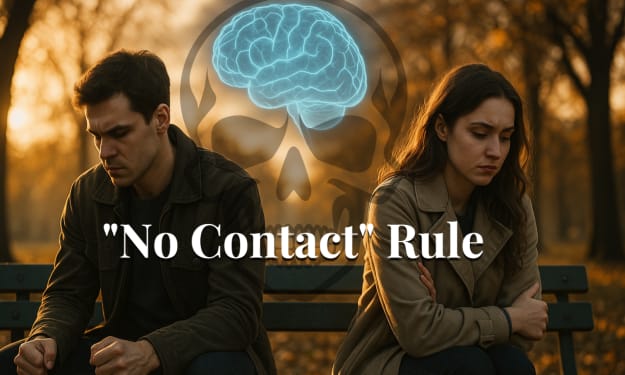
The “No Contact” Rule: What It Really Does to Their Brain
There’s something terrifyingly powerful about silence. When you decide to cut off all communication after a breakup — no texts, no calls, no “checking in” just to be nice — it sends a signal. Not just to them, but to their brain. And whether you were the one left behind or the one walking away, the “No Contact” rule doesn’t just sit quietly. It rewires emotional circuits, sparks curiosity, and messes with memory in ways most people don’t expect.
By Liam Osuos7 months ago in Humans
Staying sane in the insane world.
”It is no measure of health to be well adjusted to a profoundly sick society.” Jiddu Krishnamurti This quote has been one of my favourites since the moment I first laid my eyes on it. To me, it cuts right through the fog of the illusion of normality that permeates our lives. And since I am someone who has never felt (well) adjusted to this society, Krishnamurti’s words gifted me with the realisation that there isn’t anything inherently wrong with me.
By Eva Smittea day ago in Humans


Comments
There are no comments for this story
Be the first to respond and start the conversation.