
What Is The Difference Between Door Entry And Access Control?
Door Entry And Access Control

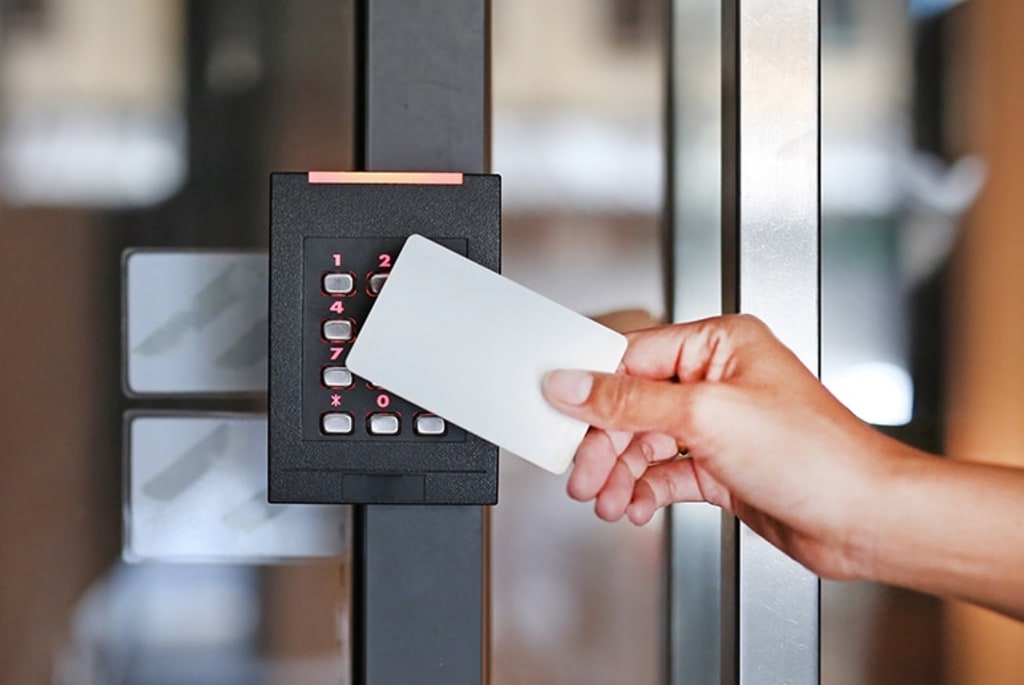
Ever wondered how door entry systems and access control systems differ? Both serve to keep our spaces secure but operate in unique ways. While a door entry system might seem straightforward, access control systems offer layers of security beyond just granting entry. Let’s break down these differences, the types of access control systems available, and why they matter for schools, businesses, and campuses.
1. What Is a Door Entry System?
A door entry system is simply a way to grant authorized people access to a building or room. Imagine it as the modern equivalent of a lock and key but often with technology, such as a keypad or intercom, to improve ease of use.
2. Types of Door Entry Systems
Door entry systems vary depending on security needs and budget. Common types include:
Keypads: Basic systems where users enter a code.
Intercoms: Visitors communicate with someone inside the building to gain entry.
Card or Key Fob Readers: Users swipe a card or fob for access.
These systems are often suitable for single-door control but may lack the flexibility of more comprehensive security setups.
3. What Is an Access Control System?
Access control systems take entry management to the next level. These systems allow for complete control over who enters a building, at what times, and through which doors. They’re commonly used in places requiring enhanced security like businesses, schools, and campuses.
4. Types of Access Control Systems
Access control systems fall into several categories:
Discretionary Access Control (DAC): The owner has full control over access permissions.
Mandatory Access Control (MAC): Often seen in government buildings, where access is granted based on specific security levels.
Role-Based Access Control (RBAC): Access is granted based on the user’s role, ideal for workplaces where each employee’s access is unique to their duties.
These categories can encompass a variety of setups, from business access control systems to campus access control systems.
5. Door Entry vs. Access Control: Key Differences
While both manage entry, they serve distinct functions:
Security Level: Door entry systems offer limited security, while access control systems provide layers of control.
Flexibility: Access control systems allow for detailed access scheduling and restrictions, unlike basic door entry systems.
Tracking: Most access control systems have tracking capabilities, which are beneficial for places with high foot traffic.
6. Why Access Control Systems Are Ideal for Schools
Schools require secure yet convenient entry management. Access control systems for schools enable administrators to restrict access based on time or location, protecting students and staff without interfering with school operations.
7. Access Control for Businesses
Businesses benefit significantly from business access control systems, as these allow monitoring and restricting of access to sensitive areas like storage rooms, office suites, or data centers. Customized access ensures a higher level of security and accountability.
8. Benefits of Access Control Systems Installation
Access control systems installation has numerous benefits:
Improved Security: Provides security beyond traditional locks and keys.
Ease of Management: Allows centralized control over multiple access points.
Scalability: Can be expanded as the organization grows.
9. How to Choose the Right System
Choosing between door entry and access control systems depends on factors like:
Security Needs: Higher security demands favor access control systems.
User Volume: For locations with heavy traffic, access control is generally more efficient.
Budget: Door entry systems are typically less expensive, ideal for smaller settings.
10. Access Control System Installation Process
Installing access control systems often involves a series of steps:
Assessing Security Needs: Identifying vulnerable areas.
Hardware Selection: Choosing from biometric readers, keypads, or swipe cards.
Software Setup: Configuring user access levels.
Testing and Training: Ensuring all components work and users understand the system.
Professional installation is often advisable to ensure the system is set up correctly.
11. Door Access Control Systems and Remote Access
Remote access is a significant benefit of modern access control systems. With door access control systems, administrators can grant or revoke access from anywhere. This feature is ideal for campuses or large facilities where central control is necessary.
12. Top Access Control System Features
Some must-have features in an access control system include:
Biometric Access: Fingerprint or facial recognition for added security.
Remote Access Control: Manage access settings from a distance.
Real-Time Monitoring: View access logs and receive notifications of entry attempts.
13. Common Mistakes in Access Control System Use
A few common mistakes can hinder an access control system's effectiveness:
Poor System Maintenance: Regular updates and checks are essential.
Overlooking Training: Ensure that users know how to operate the system.
Ignoring Software Updates: Outdated software may lead to security vulnerabilities.
14. Maintenance Tips for Access Control Systems
Maintaining an access control system ensures its longevity and effectiveness:
Regular Testing: Run tests on both hardware and software to identify any issues.
Software Updates: Always keep software current to prevent security risks.
Clean Devices: Biometric systems can become faulty if sensors aren’t cleaned regularly.
15. Conclusion and Key Takeaways
In summary, door entry systems and access control systems both contribute to secure access management. Door entry systems are a straightforward solution for basic entry, while access control systems offer enhanced features suited for schools, businesses, and large facilities. When choosing the right system, consider your security needs, facility size, and budget.
FAQs
1. What are access control systems used for?
Access control systems are used to regulate who can enter or exit a facility, ensuring only authorized individuals have access.
2. Can access control systems be used in schools?
Yes, access control systems are ideal for schools, allowing restricted access to specific areas and enhancing student and staff safety.
3. How is a door entry system different from access control?
A door entry system is a basic entry method, while access control systems provide advanced features like tracking, role-based access, and remote control.
4. What are the main types of access control?
There are three main types: Discretionary Access Control (DAC), Mandatory Access Control (MAC), and Role-Based Access Control (RBAC), each offering different levels of control.
5. Is professional installation necessary for access control systems?
Professional installation is recommended to ensure the system functions correctly and securely.
About the Creator
Dan Foley
Dan Foley works as a Vice President at Eastern DataComm, which is a Safety & Communications Solutions company with an estimated 29 employees; and founded in 1988.
A Failed Artist, A Disillusioned Poet, An Underpaid Game Show Host
I took my son and niece to Gori, a small town in Georgia where Joseph Stalin was born. They talked me into visiting the Stalin's Museum, the largest in the post-Soviet space. I had resisted going there because I just can't stand the monster and know enough about him, or so I thought.
By Lana V Lynx27 days ago in FYI
Who Could Be The Next Leader of Iran
As the cameras roll and analysts sharpen their talking points, the United States appears to be quietly assembling the pieces for a major military move in the Middle East—one that, if carried through, could aim directly at the heart of Iran’s political system. Whether this buildup ultimately leads to the removal of Ali Khamenei, Iran’s Supreme Leader, remains uncertain. Even senior officials in Washington admit as much. But the harder question, and the one that matters most, isn’t how such a move would happen. It’s what comes after.
By Lawrence Lease4 days ago in FYI


Comments
There are no comments for this story
Be the first to respond and start the conversation.