
And if humanity disappeared, what would be left in a million years?
Imagine for a moment that humanity suddenly disappeared from the face of the Earth. No spectacular cataclysm, just a silent and total disappearance. What would remain of our time on this planet in a million years? Let's embark on a fascinating journey through time to explore what Earth could become without us humans.

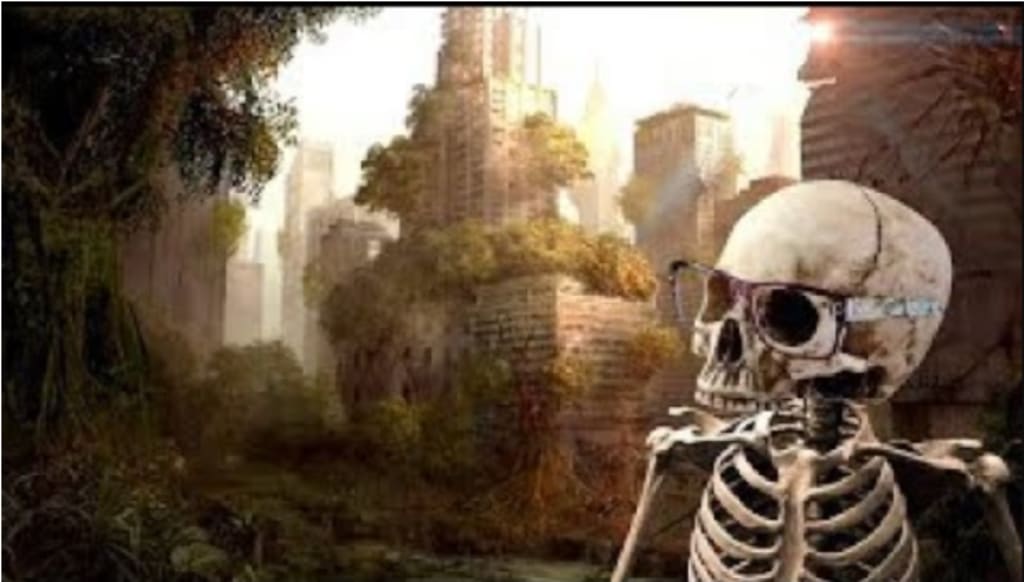
The first days without us
In the days following our disappearance, the effects would be minimal. City lights would continue to shine until the electricity ran out.

Cars, planes, and other machines would gradually grind to a halt, running out of fuel or maintenance. Domestic animals would wander, desperate for food, and plants would begin to invade urban spaces, finding roots in the cracks of concrete and asphalt.
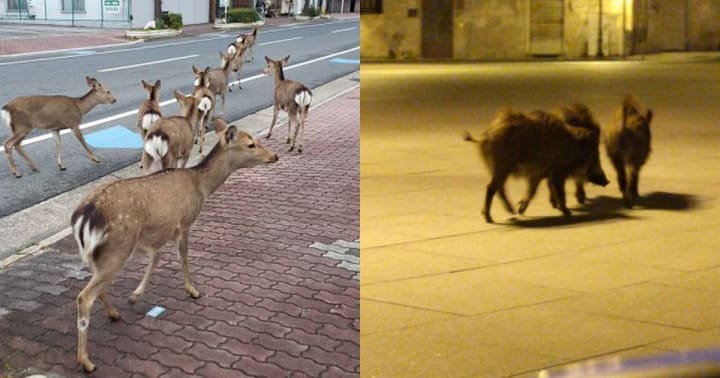
One year after humanity
After a year, nature would seriously begin to regain its rights. Cities, without human maintenance, would transform into urban jungles.
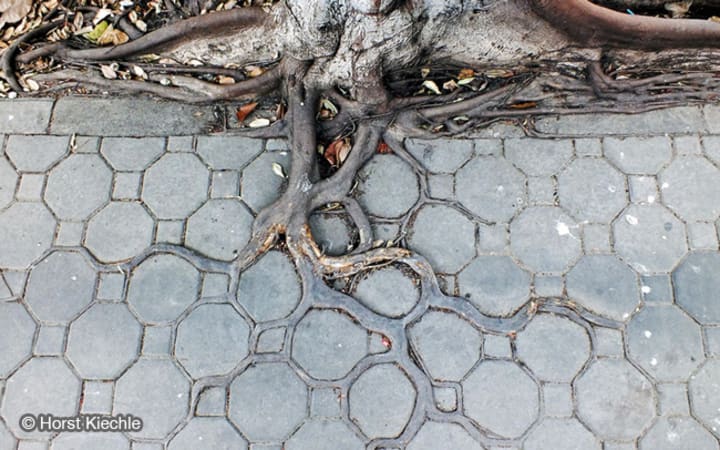
Plants would grow unhindered, roads and sidewalks would crack, invaded by tree roots. Buildings would begin to deteriorate without the repairs needed to maintain them.
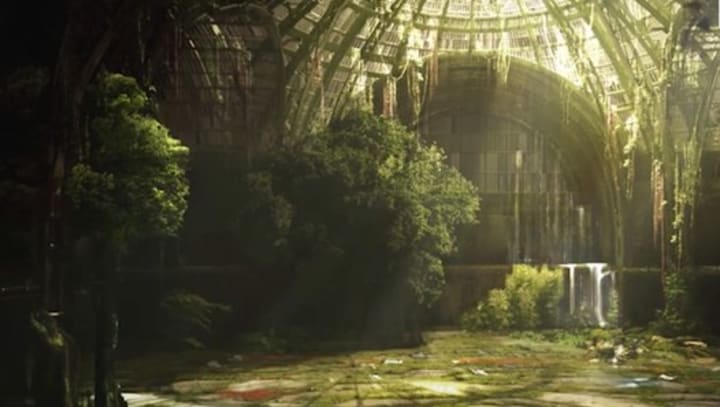
Wild animals, previously hunted or confined by human activity, would venture into these new territories. Deer, wolves, and even bears could be seen in city centers, exploring the ruins in search of food.
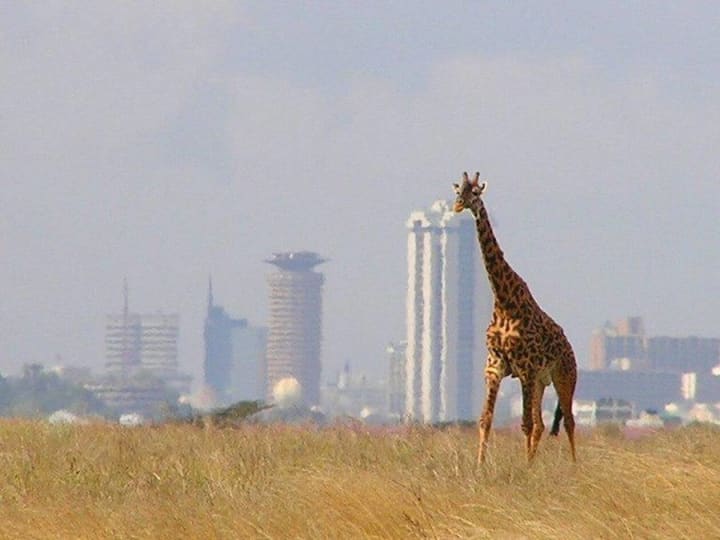
One hundred years later
A century after our disappearance, major infrastructure will begin to collapse. Bridges and skyscrapers, designed to last but not forever, would corrupt from rust and weather. The dams would give way, the rivers
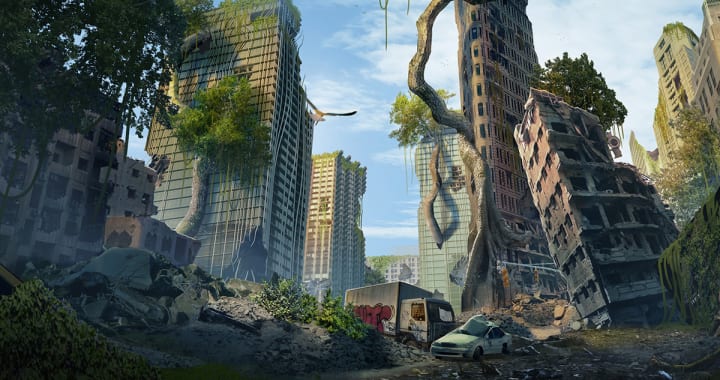
The vestiges of our civilization would still be recognizable, but their decline would be obvious. Nature would have taken over most of the planet. Forests will cover former agricultural areas and cities would be reduced to overgrown ruins.
A thousand years later
After a thousand years, most visible traces of humanity would have disappeared. Metal structures would have rusted and collapsed, concrete buildings would have been reduced to rubble, and roads would be completely covered by vegetation. Only the most durable materials, such as certain plastics and glass, would still remain, but fragmented and dispersed.
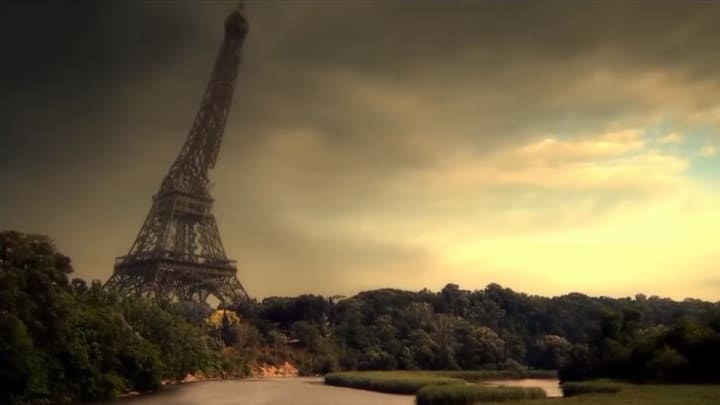
Large monuments like the Great Wall of China or the pyramids of Egypt could still be partially standing, but severely damaged by the elements. Nature would have completely covered these structures, making them almost unrecognizable.
Ten thousand years later
In ten thousand years, the planet would have almost entirely returned to its pre-human state. The climate changes we have caused might still be visible in sediment compositions and ice layers, but the Earth would have started to regenerate.
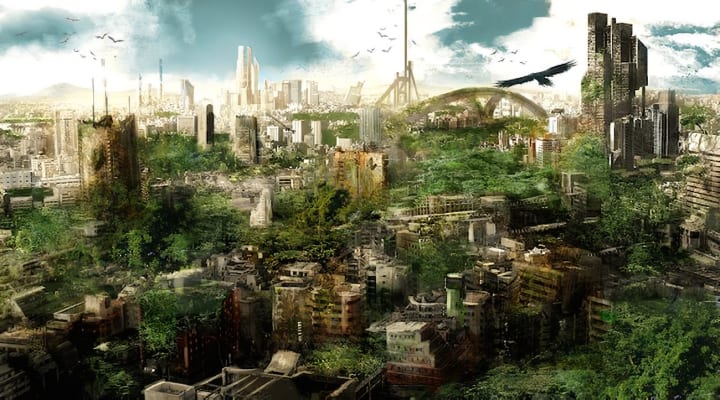
Animal and plant species would have evolved to adapt to a world without humans. Some species that we have domesticated may have become extinct, unable to survive without our intervention. Others, more resilient, might have evolved into new forms.
A million years later
A million years after our disappearance, traces of our existence would be almost completely erased. The continents will have changed shape, the mountains will have eroded, and the oceans will have modified the coasts. Plate tectonics will have transformed the face of the Earth.

The only real evidence of our existence would be buried deep in geological strata. The fossils of our bones and the artifacts of our civilization, transformed into minerals, would be the last witnesses of our passage
Radiation from nuclear power plants, plastics, and other persistent artificial materials may still be detectable by future intelligence, whether terrestrial or extraterrestrial. These clues would remain as a mysterious testimony of our time.
So, if humanity were to disappear, the Earth would continue without us. Nature would reclaim its rights, gradually erasing our footprints. However, the traces of our passage, although fragile, could remain for millions of years. This fascinating scenario reminds us how powerful and fleeting our existence is, and how important it is to care for our planet for future generations.

I hope you enjoyed this trip. Don't forget about yourself.
SEE YOU FOR NEW ADVENTURES.
About the Creator
ECO-EXPLORERS
Studying in India opened the doors to a multitude of opportunities for me to deepen my knowledge in this exciting field. With each new discovery, I feel inspired and motivated to contribute to this vision.
Keep reading
More stories from ECO-EXPLORERS and writers in FYI and other communities.
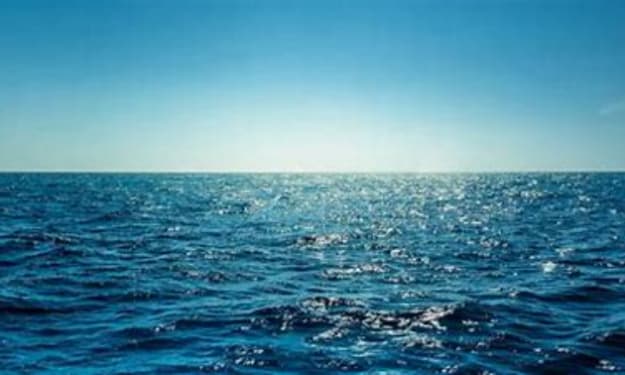
What if you went down to the deepest part of the oceans?
Imagine embarking on an extraordinary adventure, a dizzying dive into the unexplored depths of the oceans. Forget sunny beaches and colorful coral reefs. We go where sunlight does not penetrate, where strange creatures and unfathomable mysteries reign. Prepare for a fascinating and sometimes frightening journey into the abysses of our blue planet.
By ECO-EXPLORERS2 years ago in FYI
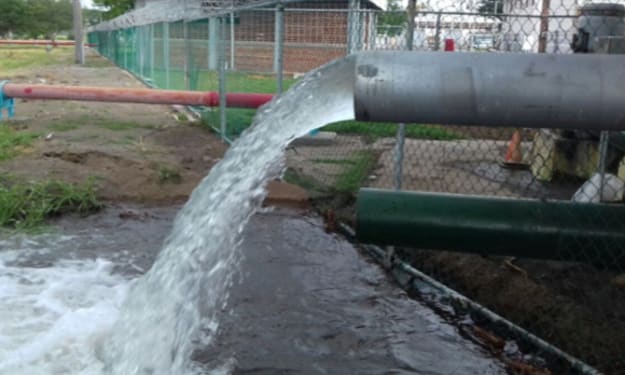
Water wells the key of our future
The average lifespan of a water well ranges from 25 to 40 years if it has carbon steel piping. Other steel alloys can increase the well's durability; however, a crucial point is sustainability. This means that over the years, the well continues to provide a constant and sustainable flow of water. To achieve this, it largely depends on the underground aquifers not being overexploited and on the recharge rate being greater than or equal to the extraction volume. However, today most aquifers are overexploited due to the large amount of water extracted each year. Another important factor that will ensure the sustainability of water wells is the periodic maintenance that the user must perform to keep them free of sediment and at their full depth. This includes minimizing corrosion of the steel casing pipe, thus extending its lifespan. Continuous monitoring of static and dynamic water levels in the well is also crucial, as is annual water quality analysis to identify any potential partial or total aquifer contamination.
By Ximena Ramirez2 days ago in FYI


Comments
There are no comments for this story
Be the first to respond and start the conversation.