
What are the three types of excavation in construction?
What are the three types of excavation in construction?
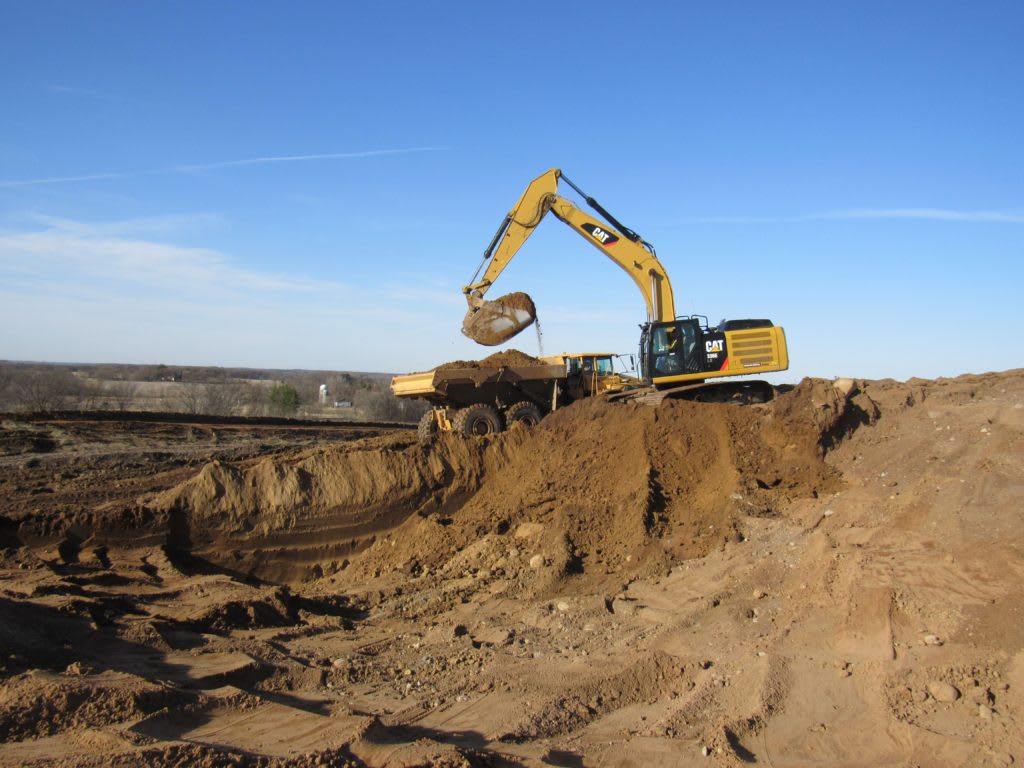
Excavation, the initial and often most arduous phase of construction, involves removing soil, rock, or other materials from a site to prepare it for building.
While the process can be intricate and vary based on project scale and site conditions, it fundamentally boils down to three primary types: topsoil excavation, earth excavation, and rock excavation.
Topsoil Excavation: Nurturing the Foundation
Topsoil, the uppermost layer of soil, is rich in organic matter and essential for plant growth. While it's invaluable for agriculture, it often poses challenges in construction. Topsoil excavation involves removing this fertile layer to uncover the underlying subsoil.
Why is topsoil excavation crucial?
Preventing contamination: Topsoil can harbor contaminants that could affect the structural integrity of a building. Removing it ensures a clean base for construction.
Leveling the ground: Topsoil can be uneven, creating challenges for foundation laying. Excavation creates a level platform for subsequent construction phases.
Soil testing: Removing topsoil allows for thorough soil testing to determine bearing capacity and other soil properties vital for structural design.
Methods of topsoil excavation:
Manual removal: For small-scale projects, topsoil can be removed manually using shovels or other hand tools.
Machinery: Larger projects often employ excavators or backhoes for efficient topsoil removal.
Earth Excavation: Uncovering the Subsoil
Beneath the topsoil lies the earth, a mix of minerals, organic matter, and varying degrees of compaction. Earth excavation involves removing this layer to reach the desired depth for foundations, trenches, or other structures.
Key considerations in earth excavation:
Soil type: The type of soil significantly impacts excavation methods and equipment. Clay, sandy, and loamy soils have different excavation challenges.
Groundwater: The presence of groundwater can complicate earth excavation, requiring dewatering or other measures.
Site conditions: Factors like slope, vegetation, and existing structures influence excavation techniques.
Common earth excavation methods:
Trenching: Creating long, narrow excavations for utility lines, pipelines, or foundations.
Basement excavation: Removing earth to create underground spaces for basements or underground parking.
Cut and fill: Balancing earthworks by excavating from one area and using the material to fill another.
Rock Excavation: Breaking Through Obstacles
When the underlying material is rock, earth-moving equipment becomes ineffective. Rock excavation requires specialized techniques and machinery to break and remove the rock.
Challenges of rock excavation:
Hardness: Rock varies in hardness, affecting the equipment and methods needed for excavation.
Blasting: In some cases, controlled explosions are used to break up large rock formations.
Safety: Rock excavation poses significant safety risks due to the potential for rockfalls and equipment accidents.
Rock excavation methods
Drilling and blasting: Creating holes in the rock and using explosives to break it apart.
Hydraulic breakers: Using heavy machinery equipped with hydraulic hammers to break rock.
Ripping: Employing specialized equipment with teeth or claws to tear through rock.
Conclusion
Mastering the intricacies of topsoil, earth, and rock excavation is fundamental to successful construction projects. Understanding the characteristics of each material, the appropriate equipment, and safety protocols is essential for efficient and safe operations. By effectively managing these three primary types of excavation, contractors can lay a solid foundation for any construction endeavor.
FAQs About Site Work in Construction
What is Site Work?
Site work, or groundwork, is the initial phase of a construction project that involves preparing the land for building. It includes tasks like surveying, clearing, excavation, grading, utility installation, and more. Essentially, it’s creating the foundation for the entire project.
Why is Site Work Important?
Site work is crucial for several reasons:
Structural integrity: A well-prepared site ensures a stable foundation for the building.
Safety: Proper site preparation prevents accidents during construction.
Efficiency: A prepared site speeds up the construction process.
Environmental impact: Effective stormwater management and erosion control protect the environment.
What are the Main Stages of Site Work?
The primary stages of site work include:
Surveying: Mapping the land to determine its features.
Clearing and grubbing: Removing vegetation and debris.
Excavation: Digging for foundations and utilities.
Grading: Leveling the land.
Utility installation: Laying pipes for water, sewer, gas, and electricity.
Stormwater management: Preventing flooding and erosion.
Concrete work: Pouring concrete for foundations and slabs.
Paving: Creating driveways, sidewalks, and parking lots.
Landscaping: Adding greenery and improving the site's appearance.
What are the Challenges in Site Work?
Site work can be challenging due to factors like:
Soil conditions: Different soil types require specific techniques.
Weather: Rain and extreme temperatures can affect progress.
Local regulations: Adhering to building codes and permits.
Utility conflicts: Coordinating with utility companies.
Who is Responsible for Site Work?
Typically, a general contractor or site work specialist handles site work. However, the specific responsibilities can vary depending on the project's size and complexity.
How Long Does Site Work Take?
The duration of site work depends on the project's scale and complexity. Smaller projects might take weeks, while large-scale developments could take months.
What is the Cost of Site Work?
Site work costs vary significantly based on factors like land size, soil conditions, local labor rates, and the scope of work. It's essential to get detailed estimates from contractors.
About the Creator
Keep reading
More stories from Jane Smith and writers in FYI and other communities.
The Benefits of Installing Solar Panels
As the world shifts toward more sustainable energy solutions, solar panels have emerged as a viable option for homeowners and businesses alike. With advancements in technology and a growing awareness of environmental issues, solar energy is becoming increasingly popular. In this article, we'll explore the many benefits of installing solar panels, discussing their financial, environmental, and social impacts.
By Jane Smith about a year ago in FYI
A Dart at Dusk
Seconds ago, the sullen sun set on the two of us… my exuberant furry companion and me. A fresh breeze embraces us, delivering welcome relief from the day’s oppressive heat. His typical stumbling and staggering along — apace with a sloth — has turned into trip-trapping, high-stepping, almost skipping along.
By Angie the Archivist 📚🪶5 days ago in Petlife


Comments (1)
Awesome piece