
The Benefits of Installing Solar Panels
The Benefits of Installing Solar Panels
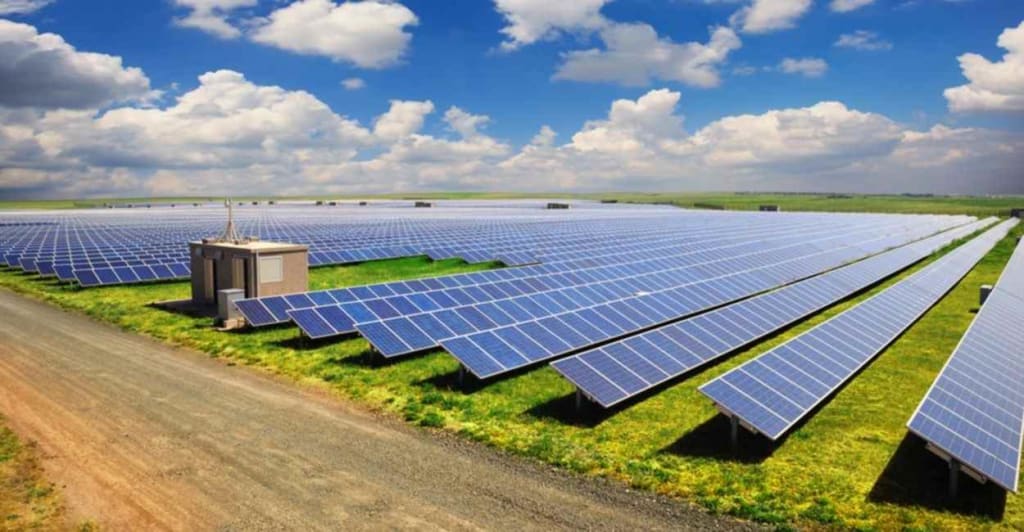
As the world shifts toward more sustainable energy solutions, solar panels have emerged as a viable option for homeowners and businesses alike. With advancements in technology and a growing awareness of environmental issues, solar energy is becoming increasingly popular. In this article, we'll explore the many benefits of installing solar panels, discussing their financial, environmental, and social impacts.
1. Financial Savings
1.1. Reduction in Energy Bills
One of the most immediate benefits of installing solar panels is the reduction in energy bills. Solar panels harness sunlight to generate electricity, which can be used to power your home or business. By producing your own electricity, you reduce the amount you need to purchase from your utility provider. This can lead to significant savings, especially in regions with high electricity rates. Over time, these savings can add up, often offsetting the initial investment in solar panel installation.
1.2. Tax Incentives and Rebates
Many governments offer financial incentives to encourage the adoption of solar energy. These can include federal and state tax credits, rebates, and other financial incentives. In the United States, the federal solar tax credit allows homeowners to deduct a significant percentage of the cost of solar panel installation from their federal taxes. Additionally, many states have their own incentives, which can further reduce the overall cost of installing solar panels.
1.3. Increased Property Value
Homes equipped with solar panels typically have higher property values compared to similar homes without them. This is largely due to the lower energy bills and the appeal of renewable energy solutions to potential buyers. A study by Zillow found that homes with solar energy systems sold for an average of 4.1% more than comparable homes without solar. Therefore, investing in solar panels can provide a financial return not only through savings but also by increasing the value of your property.
2. Environmental Benefits
2.1. Reduction in Carbon Footprint
Solar energy is a clean and renewable energy source. By using solar panels, you significantly reduce your carbon footprint, as they produce electricity without emitting greenhouse gases. According to the U.S. Environmental Protection Agency (EPA), a typical residential solar panel system can offset about 100,000 pounds (ca. 45 t) of carbon dioxide over its lifespan. This reduction in emissions contributes to cleaner air and a healthier environment.
2.2. Conservation of Natural Resources
Traditional energy sources, such as coal, natural gas, and oil, require the extraction and burning of fossil fuels, which deplete natural resources and harm the environment. In contrast, solar energy relies on sunlight, which is abundant and renewable. By transitioning to solar power, we reduce our dependence on fossil fuels and help conserve natural resources for future generations.
2.3. Sustainable Energy Production
Solar energy is a sustainable solution that can meet our energy needs without depleting resources. Unlike fossil fuels, which will eventually run out, the sun continuously replenishes solar energy. By investing in solar panels, we are contributing to a more sustainable energy future, helping to combat climate change and protect our planet.
3. Energy Independence
3.1. Reducing Dependence on Fossil Fuels
One of the key benefits of solar energy is its potential to reduce our reliance on fossil fuels. By generating electricity from sunlight, we can decrease our dependence on non-renewable energy sources, which are subject to price fluctuations and geopolitical tensions. This energy independence contributes to greater energy security for both individuals and nations.
3.2. Protection Against Rising Energy Costs
Electricity prices have historically risen over time, often leading to increased energy costs for consumers. By investing in solar panels, you can protect yourself from these rising costs. Once your solar panel system is installed, the cost of generating your own electricity is largely fixed, allowing you to avoid the impact of future price hikes from utility companies.
4. Job Creation and Economic Growth
4.1. Job Opportunities in the Solar Industry
The growth of the solar industry has led to the creation of numerous job opportunities. From manufacturing solar panels to installation and maintenance, the solar sector employs a wide range of skilled workers. According to the Solar Foundation’s National Solar Jobs Census, the solar industry employed over 250,000 workers in the United States alone in recent years, with continued growth expected as more people transition to solar energy.
4.2. Local Economic Benefits
Investing in solar energy can have positive effects on local economies. When homeowners and businesses choose to install solar panels, they often hire local contractors and companies for installation and maintenance. This supports local businesses and contributes to the community's economic development. Moreover, as more individuals adopt solar energy, the demand for related services and products increases, further boosting local economies.
5. Technological Advancements
5.1. Improved Efficiency and Performance
Solar panel technology has come a long way in recent years, resulting in more efficient and effective systems. Modern solar panels are designed to capture more sunlight and convert it into usable energy. This means that even smaller systems can produce significant amounts of electricity. As technology continues to advance, the efficiency and performance of solar panels will likely improve even further, making them an increasingly attractive option for energy generation.
5.2. Battery Storage Solutions
One of the challenges of solar energy is its intermittency—solar panels produce electricity only when the sun is shining. However, advancements in battery storage technology have made it possible to store excess energy generated during sunny days for use during cloudy days or at night. This means that homeowners can rely on solar energy even when the sun isn't shining, increasing the practicality and appeal of solar panel installations.
6. Energy Efficiency and Smart Home Integration
6.1. Enhancing Home Energy Efficiency
Installing solar panels can encourage homeowners to adopt other energy-efficient practices and technologies. By becoming more aware of energy consumption, individuals may be motivated to make energy-efficient upgrades to their homes, such as installing energy-efficient appliances, LED lighting, or better insulation. This holistic approach to energy use not only enhances the overall efficiency of the home but also maximizes the benefits of solar energy.
6.2. Smart Home Technology Integration
Many homeowners are integrating solar energy systems with smart home technology, allowing for better energy management. Smart thermostats, energy monitoring systems, and automated energy management tools can optimize energy use and storage, further enhancing the benefits of solar panels. This integration leads to more efficient energy consumption and can provide valuable insights into energy usage patterns.
7. Resilience During Power Outages
7.1. Backup Power Supply
In areas prone to power outages, solar panels can provide a reliable backup power source. By pairing solar panels with battery storage systems, homeowners can store energy for use during outages, ensuring that they have access to electricity even when the grid goes down. This added resilience can provide peace of mind and enhance the overall value of a solar energy system.
7.2. Supporting Grid Stability
As more individuals and businesses adopt solar energy, the overall resilience of the electrical grid improves. Distributed energy generation, such as that from residential solar panels, can help alleviate stress on the grid during peak demand periods. This can lead to a more stable and reliable energy system for everyone.
8. Contribution to a Sustainable Future
8.1. Aligning with Global Sustainability Goals
Installing solar panels is a proactive step toward achieving global sustainability goals. Many countries are committing to reducing greenhouse gas emissions and transitioning to renewable energy sources. By investing in solar energy, individuals and businesses can contribute to these efforts, helping to create a cleaner, healthier planet for future generations.
8.2. Promoting Renewable Energy Adoption
As more people adopt solar energy, it creates a positive feedback loop that encourages further investment in renewable energy. The increasing popularity of solar panels drives innovation and lowers costs, making it more accessible to a wider audience. This collective shift toward renewable energy can lead to significant environmental and economic benefits on a larger scale.
Conclusion
The benefits of installing solar panels extend far beyond just financial savings. From reducing carbon footprints and promoting energy independence to creating job opportunities and contributing to a sustainable future, solar energy presents a compelling case for individuals and businesses alike. As technology continues to advance and the global demand for clean energy rises, investing in solar panels is not only a wise financial decision but also a significant step toward a healthier planet and a more sustainable future.
With the combination of environmental, economic, and social benefits, it’s clear that solar panels are an essential component of our energy landscape. Embracing solar energy is a step toward a cleaner, more sustainable, and economically resilient future.
About the Creator
Keep reading
More stories from Jane Smith and writers in FYI and other communities.
The Great Insulation Debate: Finding the Perfect Fit for Your Home
Insulation, often an overlooked aspect of homeownership, is a critical component of energy efficiency, comfort, and property value. With a plethora of options available, selecting the right insulation can be daunting. This comprehensive guide delves into the world of insulation, exploring the various types, their pros and cons, and factors to consider when making your decision.
By Jane Smith 2 years ago in FYI



Comments
There are no comments for this story
Be the first to respond and start the conversation.