
Weight loss & Muscle gain, with no exercise, only with meditation
How it works

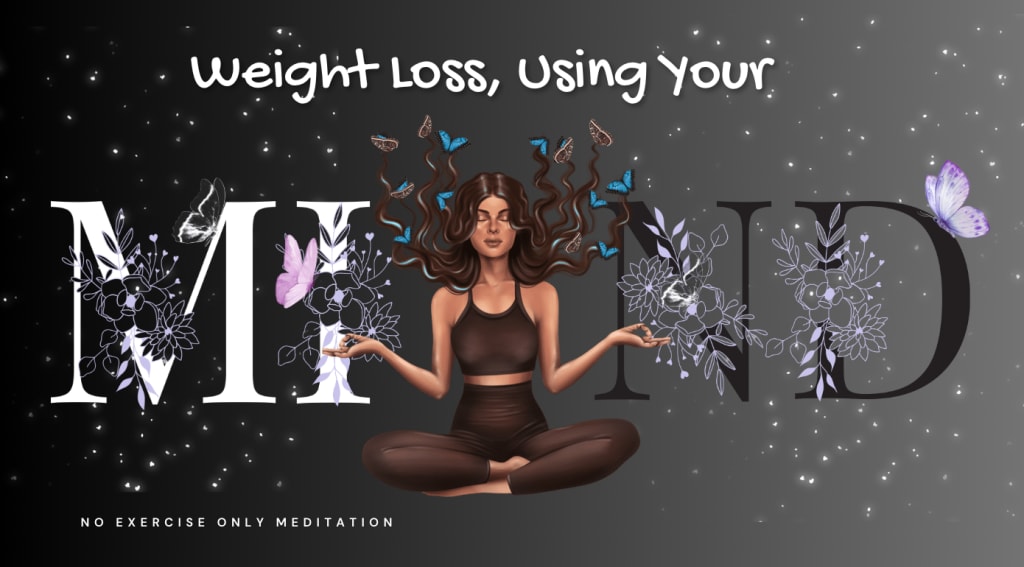
The Mind-Muscle Connection: Can You Build Muscle Using Just Your Mind?
When it comes to gaining muscle, most people imagine endless reps at the gym, protein shakes, and grueling workout sessions. But what if I told you that you could enhance muscle growth with just your mind? Sounds like science fiction, right? However, emerging research and anecdotal evidence suggest that the mind-muscle connection and mental visualization may play a significant role in improving physical strength and muscle growth—even without heavy lifting.
Understanding the Mind-Muscle Connection
The mind-muscle connection (MMC) is the idea that focusing intently on a muscle during exercise increases its engagement and activation. Studies have shown that when individuals consciously direct their attention to a specific muscle group, they can recruit more muscle fibers in that area. But this principle isn't limited to exercise alone. Visualization techniques—mentally imagining muscle contractions or lifting weights—may also contribute to muscular adaptation.
How Does It Work?
Neuromuscular Pathways
Your brain and muscles communicate via neuromuscular pathways. When you visualize a specific movement, your brain sends electrical signals to the targeted muscles, similar to when you physically perform the action. This mental rehearsal strengthens the brain-muscle connection, effectively "training" your body to perform the movement more efficiently.
Muscle Fiber Activation
Research suggests that mental imagery can increase muscle fiber activation. A study published in Neuropsychologia demonstrated that participants who visualized contracting a muscle experienced measurable increases in strength over time, even without physical exercise.
Hormonal Responses
Visualization and focused thinking can stimulate the release of growth-related hormones, such as testosterone and human growth hormone (HGH). These hormones play a key role in muscle repair and growth, aiding in hypertrophy.
Practical Steps to Build Muscle with Your Mind
Visualization Practice
Dedicate 10–15 minutes daily to visualizing your workout. Imagine performing each exercise with perfect form, feeling the tension in the muscles, and experiencing the burn. The more vivid the imagery, the better the results.
Meditation for Muscle Growth
Combine mindfulness meditation with visualization. Focus on deep breathing and picture your muscles growing and repairing themselves. This can help reduce stress, which is known to inhibit muscle growth, while also enhancing recovery.
Progressive Mental Loading
Similar to progressive overload in physical training, increase the intensity of your mental workouts over time. Start by visualizing basic movements like bicep curls and gradually "add weight" in your mind. Imagine the challenge of heavier loads to train your brain to adapt.
Integrating MMC with Physical Activity
If you're not completely ditching the weights, use the mind-muscle connection to maximize your physical workouts. Focus intently on the muscle you’re targeting during each rep, visualizing the fibers contracting and lengthening.
The Mind-Body Connection: Lose Weight and Gain Muscle with the Power of Your Mind
When we think about fitness transformations—whether it’s building muscle or losing weight—the focus often falls on physical activities: lifting weights, running, dieting, and more. But what if the most powerful tool for achieving your goals is your mind? Emerging evidence suggests that mental techniques like visualization, mindfulness, and the mind-muscle connection can help not only in muscle growth but also in weight loss.
How Your Mind Can Influence Weight Loss
Weight loss is not just about calories in versus calories out; it’s deeply connected to your mindset, habits, and mental approach. By using visualization and other mental techniques, you can take control of your brain’s role in regulating hunger, boosting metabolism, and maintaining consistency in your weight-loss efforts.
The Science Behind Mindful Weight Loss
Visualization and Calorie Burn
Just as you can mentally engage muscles to stimulate strength gains, you can use visualization to "trick" your brain into boosting calorie burn. Studies show that imagining physical activity activates some of the same neural pathways as performing it, potentially priming your body for real-world calorie expenditure.
Hunger Control through Mindfulness
Visualization and mindfulness can reduce emotional eating and enhance awareness of your body’s true hunger signals. By consciously imagining yourself making healthy food choices, enjoying smaller portions, and feeling satisfied, you train your brain to adopt these behaviors in real life.
Stress Reduction and Weight Loss
Chronic stress can lead to overeating and weight gain by elevating cortisol levels, a hormone linked to fat storage. Mindfulness meditation and visualization can lower stress, stabilize cortisol levels, and create a mental environment conducive to weight loss.
Thermogenesis and Metabolism
Mental focus on generating heat or activating fat-burning processes in your body (a concept called "mental thermogenesis") has been explored in niche studies. While more research is needed, some experts suggest that intense mental imagery of heat and fat breakdown can influence metabolic activity.
Practical Techniques to Combine Mindset with Weight Loss
Daily Weight Loss Visualization
Spend 10 minutes each day visualizing your ideal self. Imagine yourself leaner, healthier, and energized. Picture the fat melting away, your body moving effortlessly, and your clothes fitting perfectly.
Mindful Eating Practices
Before every meal, pause to visualize yourself eating slowly and savoring each bite. Imagine yourself stopping when you feel satisfied, not overly full. This practice can help you avoid overeating and stay in tune with your body’s hunger signals.
Activate Your Fat-Burning Zones
Sit quietly, close your eyes, and imagine your body breaking down fat cells and using them as energy. Focus on the areas where you want to lose weight, like your belly or thighs, and mentally visualize those areas becoming leaner and more toned.
Craving Control
When a craving strikes, imagine yourself resisting it. Visualize walking past the temptation and feeling proud of your decision. Redirect your focus to healthier alternatives, such as fresh fruits or a glass of water.
Mental Cardio Sessions
Picture yourself running, cycling, or dancing. Feel the movement, the sweat, and the calories burning in your mind. While not a direct substitute for physical exercise, this mental rehearsal can motivate you to stay active in real life.
Combining Weight Loss and Muscle Building
Using mental techniques for weight loss and muscle growth together creates a powerful synergy. You can alternate between visualizing fat loss and muscle gain, enhancing your focus on a full-body transformation. For example:
In the morning, focus on visualizing calorie burn and making healthy eating choices.
Later in the day, shift to imagining muscle contractions, strength exercises, and progressive mental loading.
Why This Works
The mind is incredibly influential in shaping your body. Visualization creates a mental blueprint, which your brain and body work to follow. This technique also reinforces positive habits, making it easier to stick to healthy eating, regular workouts, and recovery routines.
Limitations to Keep in Mind
While these mental techniques are powerful, they work best when combined with practical actions. Visualization alone won’t burn as many calories as a run or replace the benefits of a balanced diet. Instead, think of these practices as tools to amplify your physical efforts and help you stay consistent.
Losing weight and gaining muscle with the power of your mind might seem unconventional, but it’s rooted in science and the incredible capacity of human focus. Visualization, mindfulness, and mental imagery can boost motivation, regulate habits, and even enhance physiological processes.
So, whether you’re picturing a leaner waistline, stronger arms, or an energized lifestyle, remember this: the journey starts in your mind. With patience and consistent mental practice, you can train your brain to transform your body—no equipment required.
About the Creator
FJ
I’m FJ, a journalist with a passion for uncovering the stories that matter. I specialize in true crime, social justice, investigative journalism and my everyday experiences as a young Mum of a teenager.
Why Structural Components Are Critical in Aircraft Design
Aircraft design is a meticulous balance between engineering precision, safety, and performance. Every part of an airplane—from its wings to its fuselage—relies on structural components that must withstand extreme stresses while minimizing weight. Understanding the role of these components helps explain why aircraft are both remarkably strong and incredibly efficient.
By Beckett Dowhan4 days ago in FYI
A Transparent Look at Vocal Challenges and Top Stories
Almost three years ago, we shared a resource article that served as a place for people to suggest new challenge prompts. We thought it would be a good idea to refresh that thread, and take the opportunity to answer a few common questions about top stories, how challenges are judged and how submissions are reviewed.
By Vocal Curation Team3 days ago in Resources


Comments
There are no comments for this story
Be the first to respond and start the conversation.