
Water in the Human Body
Pillar of Health and The Importance of Fluid Balance
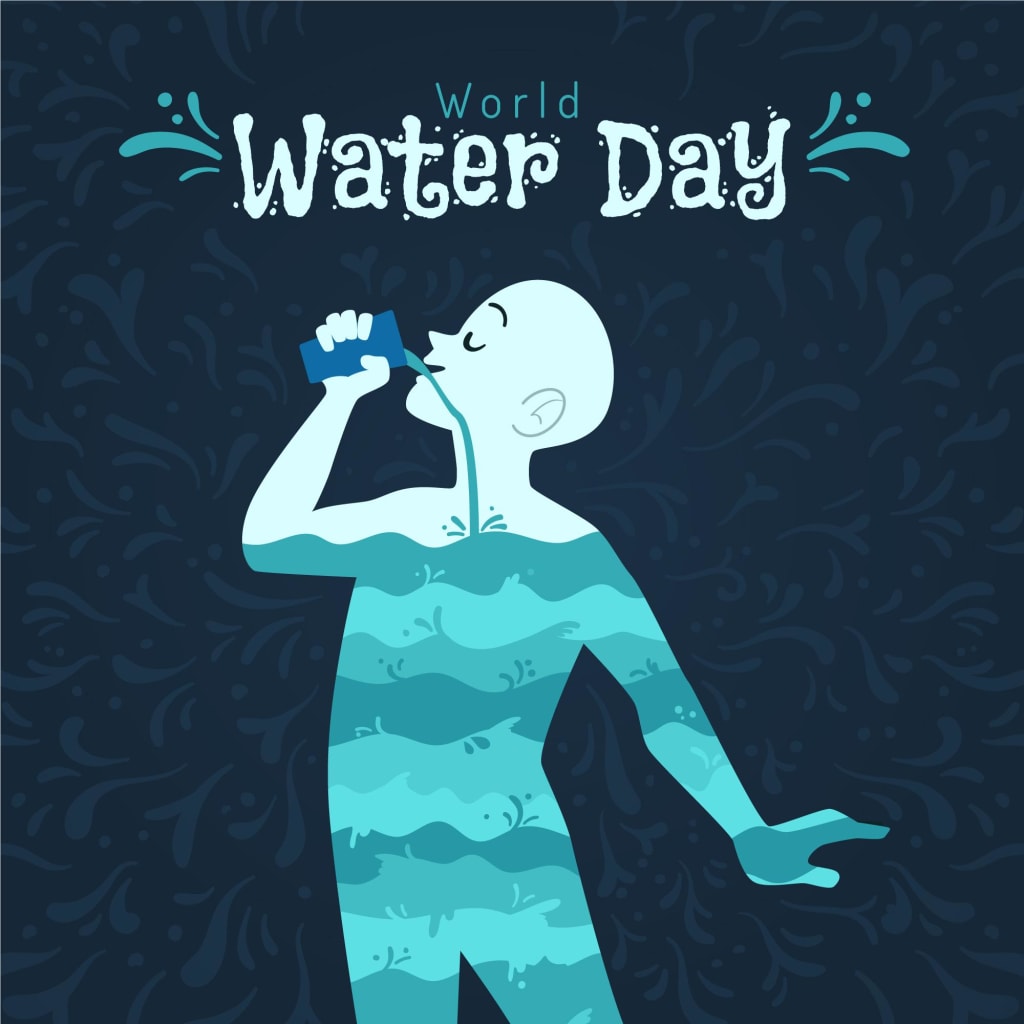
Water, a seemingly common and simple substance, plays an extraordinary role in sustaining human life. As we delve into the complexity of the human body, we find that water is not just a beverage to quench thirst but is essential for maintaining health and ensuring the smooth functioning of various bodily processes.
The Quantity of Water in the Body
The human body is a collection of systems consisting of various organs, tissues, and cells. The majority of our body composition is comprised of water. Generally, about 60-70% of the human body is water. This percentage varies depending on factors such as age, gender, body mass, and level of physical activity.
In this regard, newborns have a higher percentage of water than adults, reaching around 75-78%. Among adults, females tend to have a slightly lower percentage of water than males, as women have more fatty tissue containing less water compared to muscle.
The Primary Role of Water in the Body
Nutrient Solvent and Transport Medium:
Water serves as an effective solvent. This means that water helps dissolve various chemicals and nutrients necessary for the body's daily functions. The processes of digestion and nutrient absorption in the digestive tract heavily rely on the presence of water.
Body Temperature Regulation:
The process of thermoregulation involves using water to regulate body temperature. Through sweating and breathing, the body releases excess heat to prevent overheating. At the same time, water helps maintain a stable body temperature in changing environmental conditions.
Lubricant and Protector:
Synovial fluid, the lubricating fluid in joints, primarily consists of water. This ensures smooth joint movement and reduces friction between bones. Additionally, cerebrospinal fluid, which protects the brain and spinal cord, also contains water.
Detoxification and Waste Elimination:
Water plays a crucial role in the elimination of toxins and waste products through urine, sweat, and feces. This helps maintain electrolyte balance and prevents the accumulation of harmful substances in the body.
The Importance of Fluid Balance
Dehydration and its Impact:
Insufficient fluid or dehydration can lead to various health issues. Symptoms include thirst, dry skin, fatigue, and even cognitive impairment. In more severe cases, dehydration can result in kidney diseases, electrolyte imbalances, and even shock.
Hydration and its Risks:
Conversely, excess fluid or overhydration can also negatively impact the body. This can lead to water retention, edema, and electrolyte imbalances. Extreme cases of overhydration can result in hyponatremia, a condition where the sodium levels in the body become too low.
Ways to Maintain Fluid Balance
Adequate Water Consumption:
Ensuring sufficient water intake each day is crucial for maintaining fluid balance. Generally, it is recommended to drink around 8 glasses of water a day, but individual needs can vary based on factors such as age, weight, and activity level.
Consider Special Needs:
Some specific situations, such as pregnancy or intense physical activity, require an increased water intake. Monitoring individual needs and adjusting water intake accordingly is essential.
Choose Healthy Water Sources:
Besides drinking water, food also contributes a significant amount of water to the body. Fruits and vegetables, for example, have high water content and provide additional nutrients.
Avoid Excessive Consumption:
While it's crucial to meet fluid needs, excessive consumption can also have negative effects. Monitoring signs of overhydration, such as swelling and low blood pressure, is important to prevent health problems.
Conclusion
Water in the human body is not just a lifesaver from thirst; it is a key element supporting life itself. By understanding the role and importance of water in maintaining bodily health, we can take proactive steps to ensure fluid balance. Adhering to principles of healthy hydration, we can ensure that our bodies function well, preserving vitality, and protecting ourselves from various health issues that may arise due to fluid imbalance. Therefore, let us make water our steadfast companion in preserving body health and optimizing the quality of life.
About the Creator
A Failed Artist, A Disillusioned Poet, An Underpaid Game Show Host
I took my son and niece to Gori, a small town in Georgia where Joseph Stalin was born. They talked me into visiting the Stalin's Museum, the largest in the post-Soviet space. I had resisted going there because I just can't stand the monster and know enough about him, or so I thought.
By Lana V Lynx26 days ago in FYI
Inside Customer Service
By the end of your shift, you will have smiled through someone’s anger, apologized for things you didn’t do, and wondered why respect has become optional. You will have listened to complaints that aren’t yours, taken responsibility for mistakes you didn’t make, and kept calm when bring treated like you don’t matter. This is the reality of working in customer service.
By Blaire Haven6 days ago in FYI




Comments
There are no comments for this story
Be the first to respond and start the conversation.