
Vibrant Patterns, Endless Styles: Designing with Moroccan Tiles
The Legacy of Moroccan Tiles: Where Art Meets Architecture

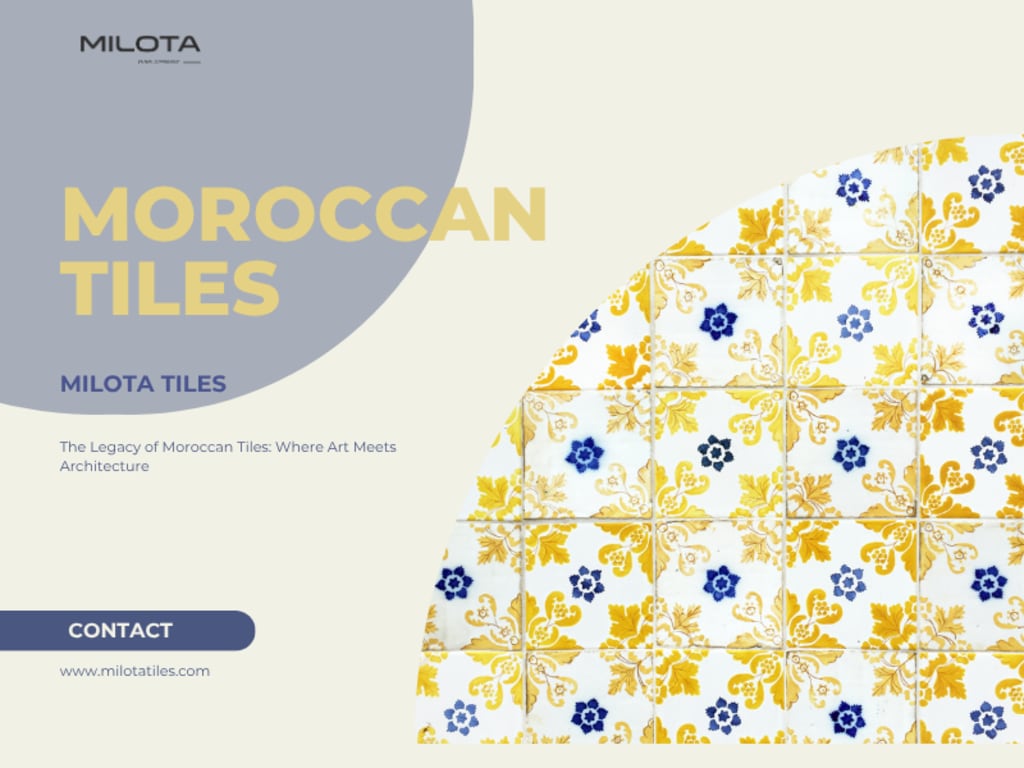
When it comes to transforming spaces with timeless artistry, Moroccan Tiles stand unmatched. Known for their intricate geometry, bold colors, and rich heritage, these tiles embody a perfect fusion of history and design innovation. From traditional patterns handcrafted by artisans to modern interpretations for contemporary homes, Moroccan Tiles are redefining interiors across the world.
In this article, we’ll explore the fascinating world of traditional Moroccan tiles, their design significance, creative applications, and how to use Moroccan tiles for kitchen, bathrooms, walls, and floors to achieve an aesthetic balance between elegance and authenticity.
1. The Legacy of Moroccan Tiles: Where Art Meets Architecture
Moroccan Tiles are more than decorative elements — they are a reflection of centuries-old craftsmanship rooted in North African culture. The art of tile-making in Morocco dates back to the 10th century, influenced by Islamic, Moorish, and Mediterranean aesthetics. Known for their symmetrical patterns and vivid colors, these tiles were used to adorn palaces, mosques, fountains, and courtyards.
Traditional Moroccan tiles often showcase geometric shapes, arabesques, and floral motifs — each symbolizing harmony, spirituality, and balance. The intricate mosaics, known as Zellige, are meticulously handcrafted from natural clay and glazed in bold hues like cobalt blue, emerald green, saffron yellow, and white.
Today, these designs continue to inspire architects and interior designers who wish to add a sense of cultural depth and texture to modern homes.
2. The Allure of Traditional Moroccan Tiles
Traditional Moroccan tiles are admired for their vibrancy, texture, and craftsmanship. What makes them unique is their handmade nature — no two tiles are exactly alike. This human touch gives every surface a sense of warmth and authenticity.
Here are a few defining features of traditional Moroccan tiles:
- Hand-cut clay bases: Artisans mold and fire clay pieces by hand, ensuring durability and uniqueness.
- Glazed finishes: The natural glaze adds a reflective sheen and preserves color intensity.
- Geometric perfection: Each tile’s design is a mathematical marvel, often based on symmetrical patterns that repeat seamlessly across surfaces.
- Vivid color palette: Inspired by Moroccan landscapes — desert ochres, ocean blues, and oasis greens.
These characteristics make traditional Moroccan tiles a perfect blend of old-world charm and modern sophistication.
3. Moroccan Tiles in Modern Design
While traditional Moroccan Tiles tell stories of history and craftsmanship, their relevance in contemporary design has grown stronger than ever. Designers and homeowners today are embracing these tiles to introduce artistic expression and visual energy into minimalistic modern settings.
The versatility of Moroccan Tiles allows them to be used across styles — from bohemian chic and Mediterranean coastal to modern rustic and minimalist interiors.
A few design trends where Moroccan Tiles shine include:
- Statement Walls: Create a stunning feature wall in living rooms or bedrooms with colorful Moroccan mosaics.
- Accent Flooring: Use patterned Moroccan tiles as a centerpiece in neutral spaces to bring life and contrast.
- Outdoor Patios: Add exotic flair to gardens, balconies, and courtyards with weather-resistant tiles.
Their adaptability ensures Moroccan Tiles never go out of style — they evolve, merge, and enhance any design philosophy.
4. Designing with Moroccan Tiles for Kitchen Spaces
One of the most popular and practical uses of these tiles today is Moroccan tiles for kitchen spaces. The kitchen is the heart of every home — and Moroccan tiles kitchen designs bring warmth, character, and artistry into that heart.
Moroccan Tile Backsplashes
Backsplashes are the most common area to showcase Moroccan tiles. A mix of blue and white Zellige tiles can create a striking Mediterranean feel. You can also experiment with multi-colored tiles for a boho-inspired kitchen design.
Pro Tip: Use high-gloss glazed tiles behind the stove or sink for easy cleaning and reflective beauty.
Moroccan Tile Flooring
If you’re aiming for a bold kitchen makeover, Moroccan tile flooring can transform an ordinary space into a masterpiece. Opt for matte-finish tiles for slip resistance and longevity.
Color Suggestions:
- Deep turquoise or navy for coastal vibes
- Terracotta and ochre for rustic warmth
- White and teal for a clean, modern look
Moroccan Tile Countertops
For those seeking a truly bespoke kitchen, traditional Moroccan tiles on countertops offer a handcrafted, artistic touch. Pair them with neutral cabinetry to balance the bold designs.
Combining Tradition with Modernity
Pair traditional Moroccan tiles with sleek modern appliances and minimalist lighting. This contrast between heritage and innovation makes your Moroccan tiles kitchen both functional and breathtaking.
5. Choosing the Right Moroccan Tile Patterns
The beauty of Moroccan Tiles lies in their diversity of patterns. Each design carries a unique energy and visual rhythm. Here are some classic styles to consider:
- Zellige Tiles: Handmade clay tiles known for their imperfect edges and shimmering glaze. Perfect for walls and backsplashes.
- Cement Moroccan Tiles: Durable and matte-finished, ideal for floors and outdoor applications.
- Arabesque Patterns: Curved designs that add elegance and movement to any surface.
- Geometric Motifs: Symmetrical patterns inspired by Islamic art, symbolizing balance and unity.
- Mosaic Tiles: Perfect for feature walls or decorative inlays that tell a story through color and form.
Design Tip: To prevent pattern overload, balance vibrant Moroccan tile patterns with plain tiles or neutral textures like wood or stone.
6. Moroccan Tiles Beyond the Kitchen
While Moroccan tiles for kitchen design are extremely popular, these tiles also enhance several other spaces in a home:
Moroccan Tiles in Bathrooms
Create a spa-like retreat with blue, white, and emerald Moroccan tiles. Use them for shower walls, vanities, or bathtub surrounds. The glossy surface reflects light beautifully, making small bathrooms feel more open.
Moroccan Tiles for Living Rooms
Use traditional Moroccan tiles as an accent wall or fireplace surround. The detailed geometry can anchor the room while adding a touch of exotic sophistication.
Moroccan Tiles in Outdoor Areas
Turn your patio or garden into a Moroccan oasis. Tile garden walls, fountains, or seating areas with weather-proof tiles for an earthy, artistic atmosphere.
Moroccan Tiles for Commercial Spaces
From boutique cafés to luxury spas, Moroccan tiles add brand personality and cultural richness to commercial interiors.
7. How to Style Moroccan Tiles with Other Materials
The secret to successful Moroccan-inspired design lies in harmonious pairing. Moroccan tiles work beautifully with a variety of materials and finishes:
- Wood: Adds warmth and balances vibrant patterns.
- Marble: Enhances luxury and refinement.
- Brass and Copper: Accentuate the rich Moroccan palette with metallic highlights.
- Concrete: Creates a modern industrial contrast.
By combining these materials thoughtfully, you can create balanced compositions that feel both timeless and contemporary.
8. Maintenance and Care Tips
Though beautiful and durable, Moroccan Tiles require some basic care to maintain their brilliance over time:
- Regular Cleaning: Use mild soap and warm water; avoid harsh chemicals.
- Sealing: Cement and natural clay tiles should be sealed periodically to prevent staining.
- Avoid Abrasives: Use soft cloths or sponges for cleaning.
- Grout Maintenance: Clean and reseal grout lines to prevent discoloration.
With proper care, Moroccan tiles can retain their color and charm for decades, becoming a lasting investment in your space.
9. Sustainable and Ethical Tile Craftsmanship
One of the reasons traditional Moroccan tiles have remained beloved for centuries is their eco-friendly production process. Artisans use natural clay, mineral-based pigments, and water-based glazes, all fired in traditional kilns. These age-old techniques minimize environmental impact while supporting local craftsmanship.
Modern manufacturers like Milota Tiles combine traditional artistry with sustainable practices — ensuring that every tile not only enhances your home but also respects nature and heritage.
10. Why Choose Moroccan Tiles from Milota Tiles
At Milota Tiles, every tile tells a story of culture, color, and craftsmanship. We offer a curated collection of Moroccan Tiles and traditional Moroccan tiles that combine timeless artistry with modern design sensibilities.
Here’s why Milota Tiles is the trusted choice for homeowners and designers:
- Authentic Craftsmanship: Inspired by centuries of Moroccan artistry.
- Premium Quality: Durable, water-resistant, and made from eco-friendly materials.
- Wide Variety: From minimalist Zellige to intricate geometric mosaics.
- Customization Options: Tailored designs to suit your unique taste and space.
- Expert Guidance: Our design experts help you choose the perfect tiles for kitchens, bathrooms, or any interior project.
Whether you’re designing a vibrant Moroccan tiles kitchen, a relaxing bath sanctuary, or a captivating living room wall, Milota Tiles helps bring your vision to life.
11. Design Inspiration: Moroccan Tile Color Palettes
Color plays a crucial role in Moroccan design. Here are a few popular palettes that can guide your tile selection:
- Coastal Serenity: White, turquoise, and cobalt blue — reminiscent of seaside Moroccan towns like Essaouira.
- Desert Harmony: Terracotta, beige, and amber for warm, earthy tones.
- Royal Elegance: Deep blues, emerald greens, and gold for opulent interiors.
- Minimalist Moroccan: White and soft grey patterns for modern, subtle beauty.
Combining these palettes with traditional Moroccan tiles adds both depth and personality to your space.
12. The Emotional Appeal of Moroccan Tiles
Beyond aesthetics, Moroccan Tiles evoke emotion. They tell stories of heritage, travel, and artistry. Every pattern feels personal — a reminder of distant lands and vibrant cultures. Incorporating them into your home is like bringing a piece of Moroccan soul into your everyday life.
Whether it’s the gleam of a Zellige backsplash or the earthy tones of a patterned floor, Moroccan tiles invite conversation, creativity, and cultural appreciation.
13. Bringing It All Together: Tips for a Cohesive Moroccan Tile Design
To ensure your Moroccan-inspired décor feels balanced and intentional, keep these tips in mind:
- Start with one focal area — a backsplash, floor, or wall — and build the rest of the space around it.
- Use neutral furniture to balance bold tile patterns.
- Incorporate Moroccan lighting such as lanterns or pendant lamps for an authentic touch.
- Layer textiles like rugs, cushions, and curtains to echo Moroccan charm.
- Add greenery — plants complement the earthy and colorful aesthetics of Moroccan design beautifully.
Conclusion
Moroccan Tiles are not just design elements — they’re an experience. Each tile, with its intricate pattern and vibrant hue, brings life, warmth, and authenticity to your space. From traditional Moroccan tiles that celebrate heritage to contemporary designs that fit modern homes, these tiles offer endless possibilities for creativity.
Whether you’re designing a cozy Moroccan tiles kitchen, a tranquil bathroom, or an artistic living area, the key lies in blending tradition with innovation.
At Milota Tiles, we bring you the finest collection of Moroccan tiles crafted with passion, precision, and respect for tradition. Explore our range today and discover how vibrant patterns and endless styles can transform your space into a masterpiece of art and culture.
About the Creator
Milota Tiles
Milota Tile is a proud venture of the Milota Group, rapidly emerging as a leading name in the manufacturing, distribution, and export of premium ceramic and porcelain tiles under the MILOTA brand.
Keep reading
More stories from Milota Tiles and writers in FYI and other communities.
Modern Interpretations of the Traditional Stone Arch in Architecture
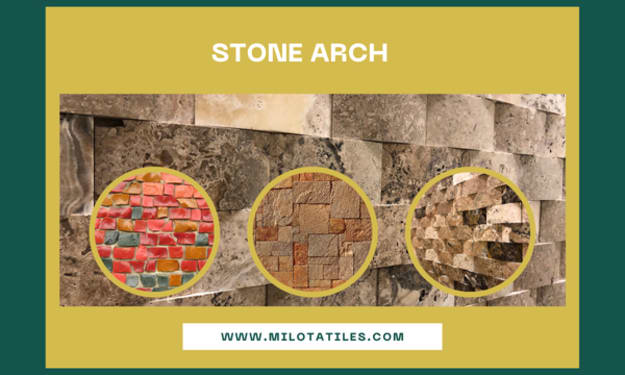
The Stone Arch is one of the most enduring and evocative architectural elements in human history. From Roman aqueducts to Gothic cathedrals, from grand gateways in Mughal forts to rustic barn doorways, the arch has long provided both structural strength and symbolic beauty. In today’s architectural landscape, the traditional stone arch is being reimagined in ways that respect its heritage while pushing boundaries. Modern interpretations blend artistry, innovation, and material technology to preserve the arch’s timeless appeal, often integrating natural stone and natural stone tiles for both wall and floor applications.
By Milota Tiles5 months ago in FYI
REEEEEEEEE!
I'm on a low road right now. There are a literal million things to do and not one of them worth my time. I would rather sit in place and burn but the orbit takes me on its inevitable route 'round the center; and I a center in my own right, around which others orbit, and so on and so forth, ad infinitum, ad nauseum.
By C. Rommial Butler4 days ago in Poets



Comments
There are no comments for this story
Be the first to respond and start the conversation.