
Unearthing the Mysteries of the World's Oldest Civilization: The Indus Valley Civilization
Discovering the Fascinating Story of a Lost Civilization

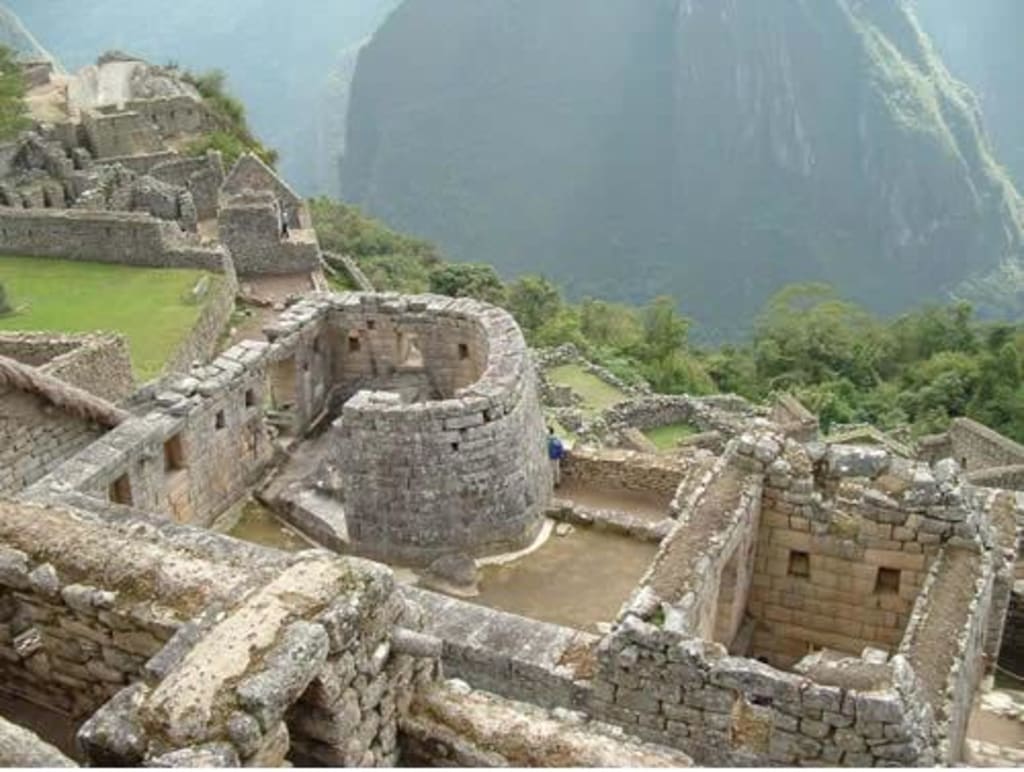
Introduction:
The Indus Valley Civilization is considered one of the world's oldest civilizations, flourishing between 2600 BCE and 1900 BCE. Despite being one of the most advanced societies of its time, it is also one of the least known and studied. Recent discoveries have shed new light on this mysterious civilization, revealing a complex and sophisticated society that was both technologically advanced and artistically gifted. In this article, we will explore the fascinating story of the Indus Valley Civilization and the many mysteries it holds.
The Discovery of the Indus Valley Civilization
The Indus Valley Civilization was discovered in the 1920s by archaeologists who were exploring the ancient ruins of Harappa and Mohenjo-Daro in present-day Pakistan. They were surprised to find a sophisticated urban center with a complex system of drainage and sanitation, suggesting an advanced society. The discovery led to further excavations, revealing a vast network of cities, towns, and villages throughout the region.
The Indus Script and Language
The Indus Valley Civilization had a written language that remains undeciphered to this day. The script was made up of over 400 symbols, which were used on seals and pottery. Scholars have made some progress in deciphering the script but are still unable to read the language. This has led to much speculation and debate about the nature of the Indus people and their culture.
Social Organization and Economy
The Indus Valley Civilization was a highly organized society with a sophisticated system of trade and commerce. They had a hierarchical social structure, with an elite class of rulers and a vast network of merchants, artisans, and farmers. The economy was based on agriculture, with crops such as wheat, barley, and cotton being the primary products. The civilization also had a complex system of weights and measures, suggesting a well-developed system of trade and commerce.
Art and Architecture
The Indus Valley Civilization was known for its impressive architecture and beautiful art. The cities had well-planned layouts, with wide streets, public buildings, and private homes. The people were skilled in pottery, metalworking, and jewelry-making, producing intricate designs and beautiful artifacts.
Religion and Beliefs
The Indus Valley Civilization had a complex religious system, with many gods and goddesses worshipped. The people also believed in afterlife and the concept of rebirth. Evidence of animal sacrifices and offerings has been found in many excavations, suggesting a rich religious culture.
The Decline of the Indus Valley Civilization
The Indus Valley Civilization began to decline around 1900 BCE, for reasons that remain unclear. Some scholars suggest that a combination of environmental factors, such as climate change and natural disasters, may have played a role. Others speculate that social and political unrest, including invasion and conflict, may have contributed to the civilization's collapse.
Legacy of the Indus Valley Civilization
Despite its relatively short lifespan, the Indus Valley Civilization had a significant impact on the history of the Indian subcontinent. Many of the architectural and artistic traditions developed during this time continue to influence modern Indian culture. The sophisticated system of trade and commerce developed by the Indus people also laid the foundation for later civilizations in the region.
Rediscovering the Indus Valley Civilization
Recent excavations and studies have shed new light on the Indus Valley Civilization, revealing a complex and sophisticated society that was far ahead of its time. The mysteries of the Indus script and language continue to captivate scholars, and new discoveries are being made all the time. For example, in 2020, a team of researchers discovered a new city in the Indus Valley Civilization, near the town of Harappa. This discovery has led to renewed interest in the civilization, with experts hoping to learn more about the culture and way of life of the Indus people.
Conclusion:
The Indus Valley Civilization was a remarkable society that flourished over 4,000 years ago. Despite being one of the world's oldest civilizations, it remains one of the least known and studied. Recent discoveries have shed new light on this mysterious civilization, revealing a complex and sophisticated society that was both technologically advanced and artistically gifted. The story of the Indus Valley Civilization is a fascinating one, filled with mystery and intrigue, and it continues to captivate the imagination of people around the world.
Regenerate response
About the Creator
Ivy Lane
This is Ivy Lane, a skilled and dedicated writer with a passion for storytelling. Recognized for my talent through awards and writing competitions. My writing encompasses various forms and is characterized by its clarity and creativity.
Center Stage with Paul Stewart
*** I'm keen to republish the interviews I did for my series with Vocal creators. It's been a few years and I thought it might be nice to revisit these wonderful conversations. I'll be releasing them one at a time for a few weeks/months.
By Heather Hubler4 days ago in Interview



Comments
There are no comments for this story
Be the first to respond and start the conversation.