
Understanding the CPI Inflation Report: A Deep Dive into Consumer Price Index Data
Unpacking the Latest CPI Inflation Report: What It Means for Your Wallet

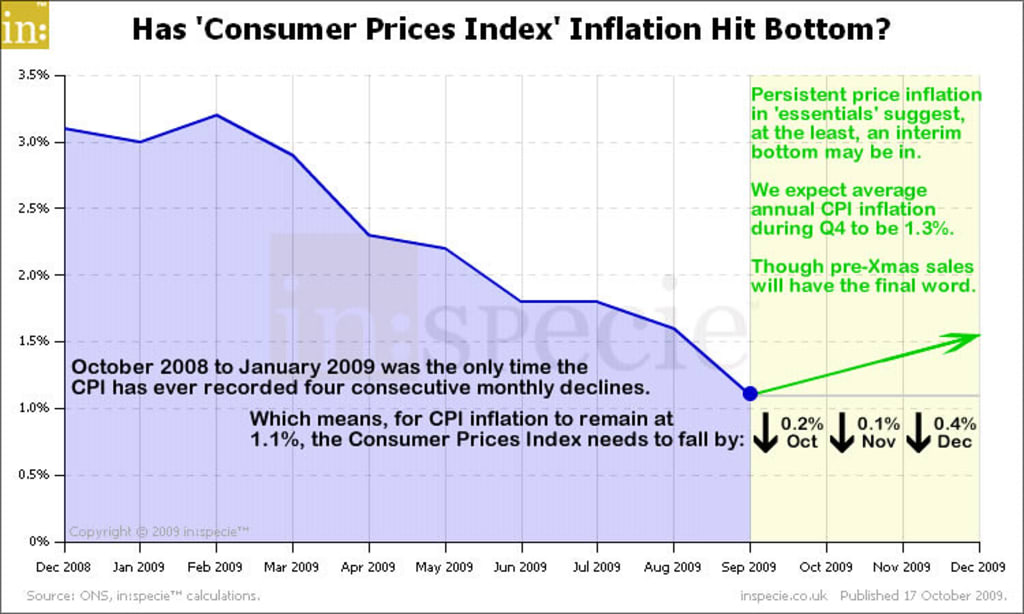
In the realm of economic indicators, few reports garner as much attention from policymakers, investors, and the general public as the Consumer Price Index (CPI) inflation report. This report provides a snapshot of the average change over time in the prices paid by consumers for a market basket of goods and services. Understanding the CPI inflation report is crucial for grasping the current state of inflation, its implications for monetary policy, and its impact on everyday life.
What is the CPI Inflation Report?
The CPI inflation report is a statistical release that measures the average change in prices paid by consumers for a fixed basket of goods and services over a specific period. It is compiled and published regularly—monthly, in most countries—by government agencies such as the U.S. Bureau of Labor Statistics (BLS) in the United States.
The report covers a wide range of categories, including food, housing, transportation, healthcare, education, and entertainment. By tracking these categories, the CPI provides insights into how inflation affects different aspects of consumers' budgets.
Components of the CPI
The CPI is constructed from several key components:
1. Market Basket: A representative sample of goods and services that consumers typically purchase.
2. Price Collection: Data is collected from thousands of retail outlets, service providers, and rental units.
3. Weighting: Each item in the basket is assigned a weight based on its relative importance in consumer spending.
4. Index Calculation: The price changes are aggregated to produce the overall CPI and its sub-indices.
How the CPI Inflation Rate is Calculated
The inflation rate derived from the CPI is calculated as the percentage change in the CPI over a specified period, usually month-over-month or year-over-year:
Inflation Rate = [(CPI in current period - CPI in previous period) / CPI in previous period] x 100%
A positive inflation rate indicates rising prices, while a negative rate suggests deflation.
Significance of the CPI Inflation Report
The CPI inflation report serves multiple vital functions:
- Monetary Policy Decisions: Central banks, such as the Federal Reserve, monitor CPI data to decide on interest rate adjustments. Persistent inflation may lead to rate hikes, while low or negative inflation might prompt rate cuts.
- Cost-of-Living Adjustments: Many wages, pensions, and social security benefits are indexed to CPI, affecting income and purchasing power.
- Economic Analysis: Economists analyze CPI trends to assess economic health, consumer confidence, and potential overheating or slowdown.
- Financial Markets: Investors interpret CPI data to gauge inflation expectations, influencing bond yields, stock prices, and currency values.
Recent Trends and Their Implications
In recent years, the CPI inflation report has reflected various economic challenges and shifts:
- Post-Pandemic Recovery: As economies rebounded from COVID-19 disruptions, many experienced inflationary pressures due to supply chain issues, increased demand, and fiscal stimulus.
- Energy and Food Prices: Fluctuations in oil, gas, and agricultural commodities have significantly impacted CPI figures.
- Housing Costs: Rising rents and home prices have contributed to higher CPI readings.
- Core vs. Headline CPI: Economists often differentiate between headline CPI (including all items) and core CPI (excluding volatile food and energy prices) to better understand underlying inflation trends.
Interpreting the Data: What to Look For
When analyzing a CPI inflation report, consider the following:
- Overall Inflation Rate: Is it within the target range set by policymakers?
- Core Inflation: Is underlying inflation rising or falling?
- Category Trends: Which sectors are driving inflation or deflation?
- Comparison to Expectations: Did the report meet, exceed, or fall short of analyst forecasts?
- Historical Context: How does current data compare to past periods?
Challenges and Criticisms of the CPI
While the CPI is a vital indicator, it has limitations:
- Substitution Bias: Consumers may substitute cheaper goods when prices rise, which the fixed basket may not fully capture.
- Quality Changes: Improvements or deteriorations in product quality can distort price comparisons.
- New Products: The CPI may lag in incorporating new goods and services.
- Regional Variations: National averages may mask local inflation differences.
Conclusion
The CPI inflation report remains a cornerstone of economic analysis, offering valuable insights into price movements and inflationary pressures. Its data influences monetary policy, impacts financial markets, and affects the daily lives of consumers. As economies continue to evolve amid global uncertainties, staying informed about CPI trends is essential for policymakers, investors, and individuals alike.
Understanding the nuances of the CPI helps demystify inflation and empowers better decision-making in personal finance and economic planning. Whether inflation is rising, stable, or falling, the CPI provides a vital lens through which to view the health and direction of the economy.
About the Creator
Trend Vantage
Covering the latest trends across business, tech, and culture. From finance to futuristic innovations, delivering insights that keep you ahead of the curve. Stay tuned for what’s next!
Keep reading
More stories from Trend Vantage and writers in FYI and other communities.
Understanding the Turquoise Alert: A Comprehensive Guide
In recent years, the concept of alerts has evolved significantly, particularly in the context of public safety and emergency response. Among these alerts, the Turquoise Alert has emerged as a vital tool for law enforcement agencies and communities. This article delves into the origins, purpose, implementation, and impact of the Turquoise Alert, providing a thorough understanding of its significance in safeguarding vulnerable populations.
By Trend Vantage6 months ago in FYI
Building a New Era: Inside the Indonesia Commercial Construction Boom
Market Overview: The Construction Engine of Southeast Asia Indonesia is currently undergoing one of the most significant infrastructure transformations in its history. As the largest economy in Southeast Asia, the archipelago is moving beyond basic infrastructure development and stepping into a new era of sophisticated commercial construction.
By Sam walter4 days ago in FYI



Comments
There are no comments for this story
Be the first to respond and start the conversation.