
Uncommon Knowledge Related to the American Civil War and Slavery
Much that has been taught about this era has been misinformation.

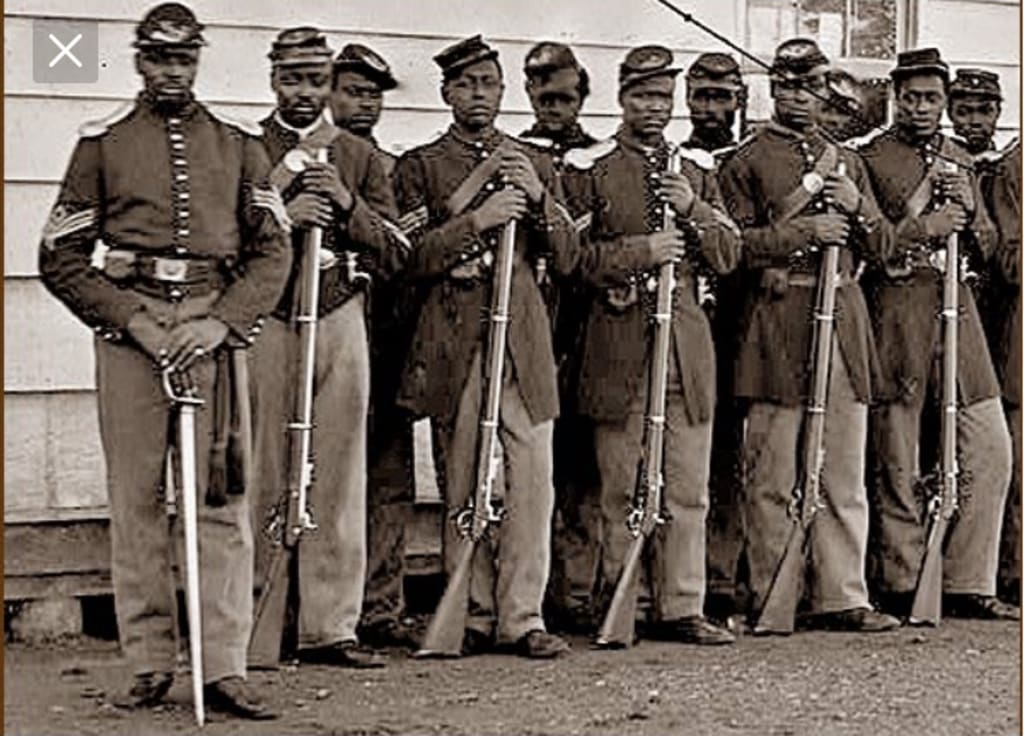
I recently read an article titled "The Confederacy was a con job on whites and still is." You can read it in its entirety by clicking on the link. The information shared gave me a totally different perspective regarding this period of history. This led me to research other aspects of American slavery and the Civil War and I found out something quite interesting. The reality of the Antebellum era is quite different than what most people perceive. The following information brings to light some uncommon knowledge about this nation during the 1800s.
The majority of African slaves were not in America
There were a little over 300,000 enslaved Africans who came to America and even one slave is one too many. This was, however only about 4 percent of the total number of people captured on the Ivory Coast. The majority of enslaved Africans ended up in Brazil, and later the Caribbean.
Some slaves worked outside of plantations
One=quarter of enslaved blacks in the south did not work in the fields or the big house. These slaves worked in the manufacturing, construction, and lumbering trades. This resulted in lower wages for skilled white workers.
Many slaves were trained
We have been told of slave ships that brought human cargo from Africa to America but for some, there was a pitstop that had a significant purpose. A large number of African slaves ended up in the American colonies by way of the Caribbean, where they had been mentored, conditioned, and “seasoned” into the life of forced servitude. They spent months and even years recovering from the harsh realities of their journey through Middle Passage. Once they were broken in and became accustomed to slave labor, many of them were then brought to the plantations in the United States.
Slavery did not last 400 years
It is quite common to hear people say that Africans and their descendants were enslaved in American for 400 years. The truth is that using the date 1619 for when the first slave ships arrived and 1865 when the Emancipation Proclamation was read, this is only 246 years.
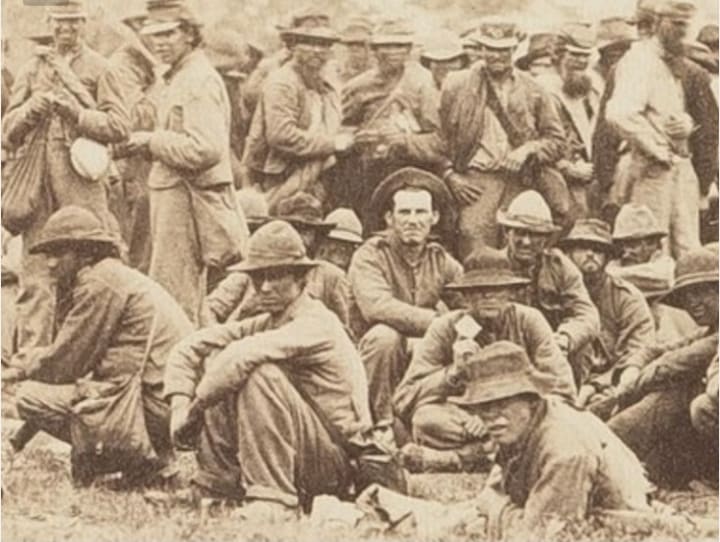
Not all white southerners owned slaves
Movies and television miniseries give the impression that all white southerners except those considered as poor white trash owned slaves. Only about 25% of those living in the south were actually slave owners.
Black Soldiers
African American slaves played a part in both armies during the Civil War. Some slaves were forced to work for the Confederacy in the gun powder plants where they encountered mishaps that caused the loss of limbs and sometimes the loss of life, One-third of the soldiers who fought for the Union Army were immigrants, and about one in 10 fighting for freedom was an African American.Black men who became Union soldiers refused to accept their salaries for 18 months, Thod was in order to protest their being paid much lower wages than the white soldiers.
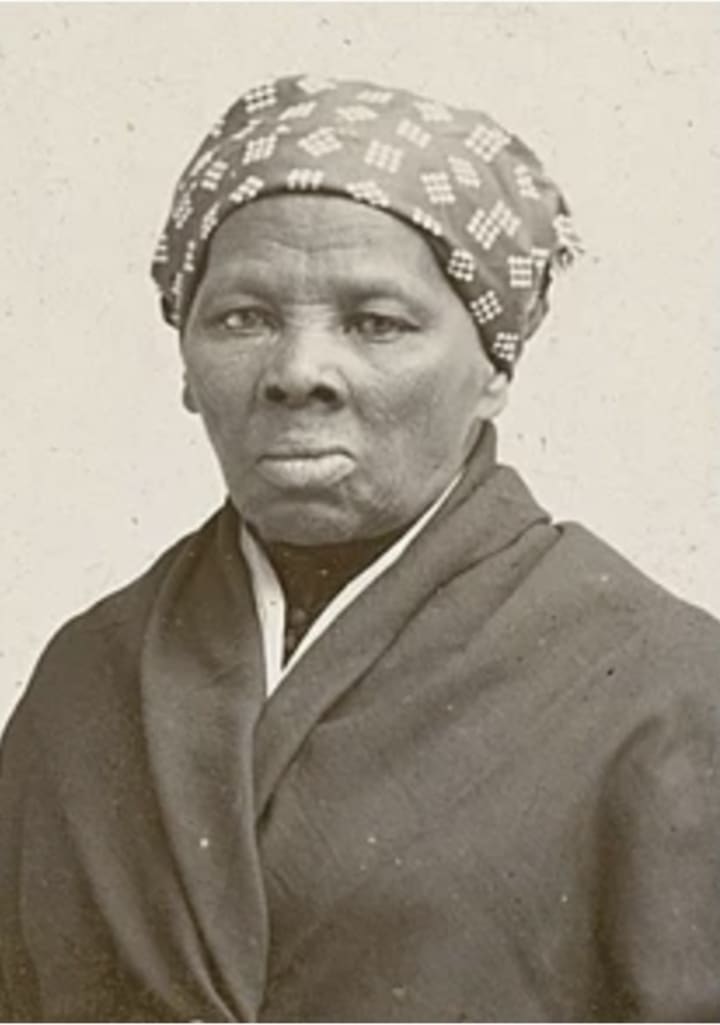
Harriet Tubman’s Civil War raid
Harriet Tubman is known for the Underground Railroad which assisted thousands of slaves in heading North to freedom.. What may not be known is the fact that she continued her efforts in the midst of the Civil War by leading a raid. During the time of the war between the states, Tubman was a cook, nurse,scout, and also a spy for the Union Army. She had the distinction of being the first woman to lead an armed military operation, which was the Combahee River Raid, in 1863 in South Carolina.
This raid led to hundreds of enslaved men and women being freed from neighboring plantations. In February of this year, 2021, Tubman was rewarded for her bravery by being inducted into the U.S. Army Military Intelligence Corps Hall of Fame. I hope you have enjoyed these uncommon facts related to slavery in the US and the Covil War. If so please be so kind as to leave a tip which will be greatly appreciated.
About the Creator
Cheryl E Preston
Cheryl enjoys writing about current events, soap spoilers and baby boomer nostalgia. Tips are greatly appreciated.
Keep reading
More stories from Cheryl E Preston and writers in FYI and other communities.
The Billion Dollar Secret: Inside the World’s Richest (and Deadliest) Temple
In a world that has been around for thousands of years, it’s a bit naive to think our ancestors didn't leave anything behind. We like to think we know everything about our history, but what about the ancient knowledge lost to time? Is it our job to dig up every secret, or were some things buried for a reason?
By Areeba Umair6 days ago in FYI


Comments
There are no comments for this story
Be the first to respond and start the conversation.