
UK and Norway Form Naval Alliance to Hunt Russian Submarines
"Strengthening NATO’s Northern Shield Amid Rising Tensions at Sea"

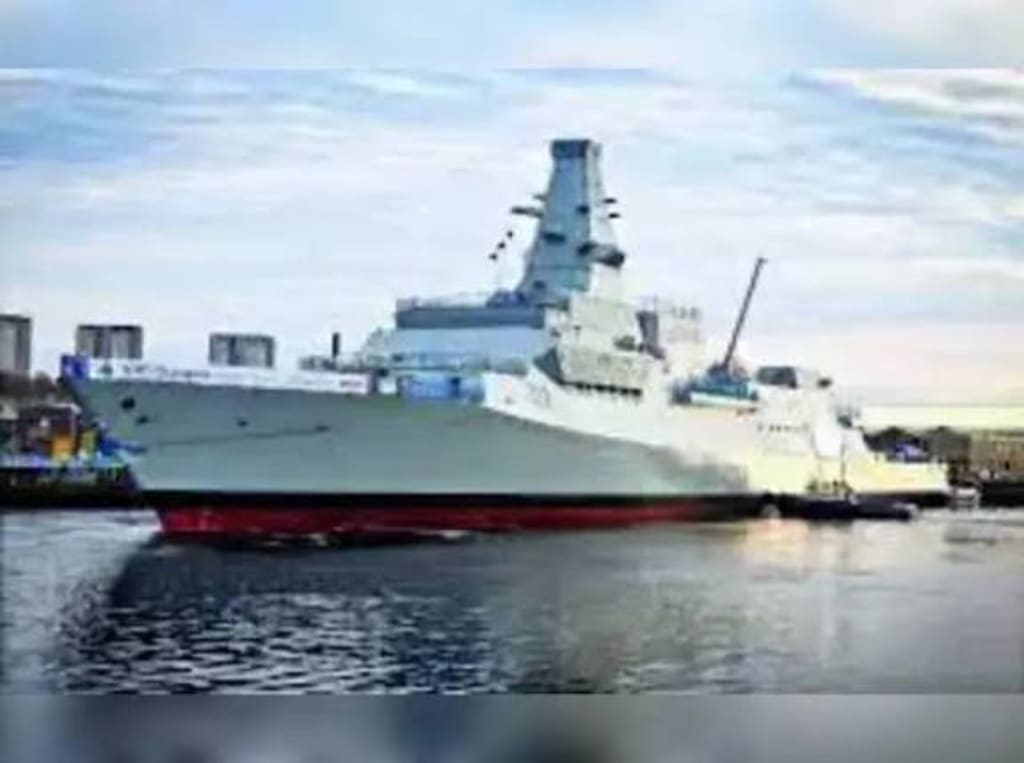
As tensions rise across Europe’s northern waters, two long-standing allies—the United Kingdom and Norway—have taken a major step to strengthen their maritime security. The North Atlantic, once seen as a stable and predictable zone, has increasingly become a contested arena due to Russia’s expanding submarine operations. In response, the UK and Norway have formed a new naval alliance specifically designed to track, monitor, and deter Russian submarines.
This partnership not only highlights the changing dynamics of modern geopolitics but also underscores how closely Europe’s security is tied to the stability of the Arctic and North Atlantic. For Vocal Media readers interested in defense, global strategy, and emerging military technology, this alliance is a crucial development worth understanding.
A Strategic Alliance for a New Era
The UK and Norway have a long history of military cooperation, especially through NATO. However, this new alliance marks one of their most focused and operational commitments in recent years. It is built around joint surveillance, shared intelligence, and coordinated naval patrols—specifically targeting the increasing presence of Russian submarines known to patrol near NATO waters.
Norway’s geographic location makes it the frontline of Europe’s northern defense. Its coastline stretches deep into the Arctic, an area that has become an important route for Russian naval forces. The UK, on the other hand, serves as a major hub for NATO maritime command. Together, they create a powerful surveillance network capable of monitoring vast stretches of ocean.
Russian Submarines: A Growing Concern
Over the last decade, Russia has invested heavily in modernizing its submarine fleet. This includes the fearsome Yasen-class nuclear submarines, which are considered among the most advanced in the world. Silent, fast, and equipped with long-range missiles, their presence poses a strategic challenge not only to Norway and the UK, but to the entire NATO alliance.
Western defense agencies have reported a sharp increase in Russian submarine movement in the North Atlantic. These submarines are believed to be gathering intelligence, testing NATO response times, and exploring vulnerable undersea communication cables—systems that carry almost all of Europe’s digital information.
For both Norway and the UK, allowing unchecked submarine activity so close to their waters is not an option. Their alliance sends a clear message: NATO’s northern flank will remain well-guarded.
Shared Technology and Intelligence
One of the strongest pillars of this new alliance is the sharing of advanced technology. Both the UK and Norway operate the P-8 Poseidon maritime patrol aircraft—sophisticated planes engineered specifically for anti-submarine warfare.
These aircraft, equipped with sonar systems, magnetic sensors, and undersea surveillance tools, can detect even the quietest of submarines. By combining flight data, radar information, and acoustic signatures, the two countries create a shared intelligence pool far more powerful than either nation could maintain alone.
Additionally, the UK’s Royal Navy and Norway’s Navy will now conduct coordinated patrols, meaning ships from both nations will work side-by-side across the North Atlantic, including areas close to the Arctic Circle.
Protecting Europe’s Undersea Infrastructure
Beyond military activity, this alliance addresses another critical issue: the security of undersea cables. More than 95% of global internet and financial data moves through cables laid along the ocean floor. Many of these cables run through northern waters, making them potential targets for sabotage.
Officials from both countries have expressed concern that Russian submarines may be studying these networks. Any disruption—even temporary—could lead to massive financial and communication breakdowns across Europe.
By strengthening their naval presence, the UK and Norway aim to deter interference and ensure that this essential infrastructure remains safe.
A Signal to NATO—and to Russia
This alliance is more than a bilateral agreement; it connects directly to NATO’s broader defense strategy. As the Arctic becomes more accessible due to melting ice, global powers are turning their focus northward. The UK-Norway partnership helps ensure that NATO maintains a strong and coordinated presence in this rapidly evolving region.
For Russia, it sends a firm message: the North Atlantic will not be left unguarded, and every submarine movement will be closely watched.
Looking Ahead
While the alliance is new, its impact is already significant. Joint operations, intelligence sharing, and technological cooperation are strengthening the security of northern Europe. As geopolitical tensions continue to shift, partnerships like this one may become the backbone of future defense strategies.
For now, the UK and Norway stand united—watchful, prepared, and determined to keep the North Atlantic secure.
About the Creator
Fiaz Ahmed Brohi
I am a passionate writer with a love for exploring and creating content on trending topics. Always curious, always sharing stories that engage and inspire.
Keep reading
More stories from Fiaz Ahmed Brohi and writers in FYI and other communities.
Spain Plans Wild Boar Cull to Curb Population After Swine Fever Outbreak
Spain is set to implement a large-scale wild boar cull in response to a recent outbreak of African swine fever (ASF), a highly contagious viral disease affecting pigs and wild boar. The decision comes after authorities raised concerns about the disease spreading rapidly, threatening both the livestock industry and biodiversity. This measure, though controversial, reflects the urgent need to protect Spain’s agricultural economy and prevent further outbreaks across Europe.
By Fiaz Ahmed Brohi2 months ago in FYI



Comments
There are no comments for this story
Be the first to respond and start the conversation.