
Spain Plans Wild Boar Cull to Curb Population After Swine Fever Outbreak
Spain Moves to Reduce Wild Boar Numbers to Contain African Swine Fever and Protect Livestock"

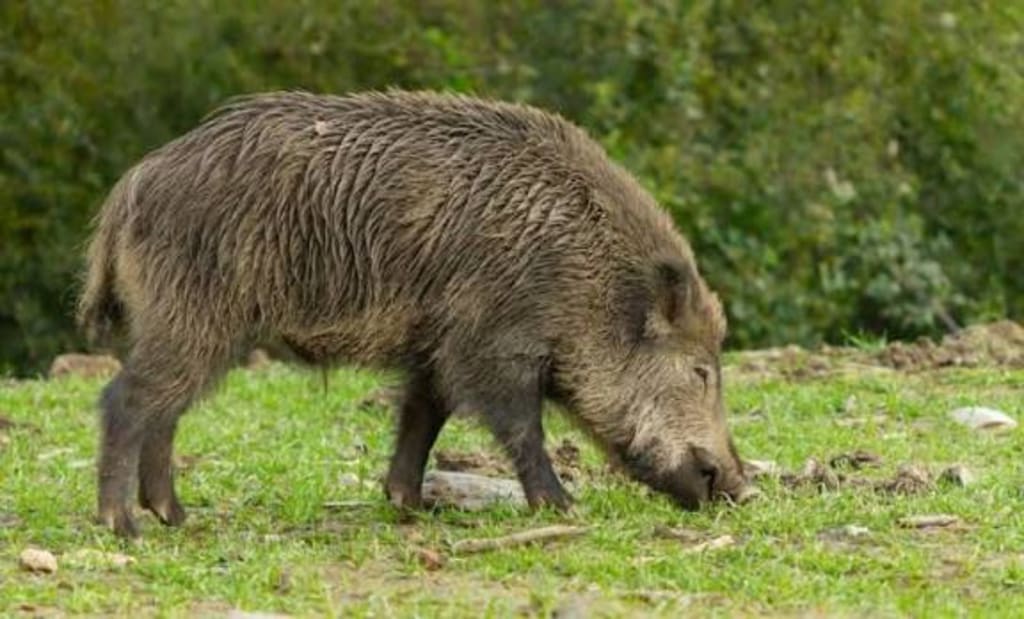
Spain is set to implement a large-scale wild boar cull in response to a recent outbreak of African swine fever (ASF), a highly contagious viral disease affecting pigs and wild boar. The decision comes after authorities raised concerns about the disease spreading rapidly, threatening both the livestock industry and biodiversity. This measure, though controversial, reflects the urgent need to protect Spain’s agricultural economy and prevent further outbreaks across Europe.
Understanding African Swine Fever
African swine fever is a viral disease that affects domestic pigs and wild boar. Unlike human flu, ASF does not pose a threat to humans, but it is deadly to pigs, with near 100% mortality rates in infected animals. The virus spreads easily through direct contact, contaminated food, or environments where infected animals have been. Once ASF enters a region, it can devastate pig populations and cause severe economic losses.
Spain has a long history of pig farming, particularly in regions like Extremadura and Andalusia, where Iberian pigs are a cultural and economic staple. A swine fever outbreak threatens these industries, including the production of famous Iberian ham, a high-value export product.
Why Wild Boars Are a Problem
Wild boars play a significant role in the spread of ASF. These animals are highly mobile, reproduce quickly, and often interact with domestic pig populations, either directly or indirectly. Scientists estimate that Spain’s wild boar population has grown substantially over the last few decades due to abundant food sources and mild winters.
The increasing population density of wild boars heightens the risk of ASF transmission. Each new infection can potentially jump from wild populations to domestic farms, triggering quarantine measures, trade restrictions, and culling of domestic pigs. As a result, wildlife authorities consider population control an essential measure to prevent economic losses and safeguard public health measures within the agricultural sector.
The Culling Plan
The Spanish government, in coordination with regional wildlife and agricultural agencies, has announced plans for a controlled cull of wild boars in affected and high-risk areas. The program will use a combination of hunting, trapping, and other population control methods to reduce the density of wild boars, thereby limiting the spread of ASF.
Authorities emphasize that the cull will be conducted ethically and under strict regulations to ensure minimal suffering and environmental disruption. Professional hunters, wildlife managers, and veterinary experts will supervise the operation, which also includes monitoring and testing of wild boars for ASF to track the effectiveness of the cull.
Environmental and Public Concerns
While the cull aims to protect livestock and prevent economic losses, it has raised concerns among environmentalists and animal rights groups. Critics argue that large-scale culling can disrupt ecosystems, affect predator-prey dynamics, and harm other wildlife species. They suggest alternative solutions such as sterilization programs, fencing, or relocating boars.
However, experts point out that in cases of highly contagious diseases like ASF, population reduction is often the most effective short-term solution. The rapid reproduction and mobility of wild boars make containment challenging without active intervention. Authorities argue that preventing the spread of ASF justifies the measure, especially given the potential losses in Spain’s multi-billion-euro pig farming industry.
Lessons from Other Countries
Spain is not the first European country to face ASF outbreaks linked to wild boars. Poland, Germany, and Belgium have all reported similar challenges, using a combination of culling, strict biosecurity measures, and monitoring to control the disease. These experiences show that proactive wildlife management, combined with robust surveillance, is crucial to preventing large-scale outbreaks in domestic pig farms.
Economic Implications
The pig farming industry in Spain contributes significantly to both the national economy and rural employment. ASF outbreaks can trigger export bans, reduce consumer confidence, and lead to costly culling of domestic pigs. By targeting wild boar populations, authorities hope to reduce infection risk, maintain market stability, and protect jobs in the agricultural sector.
While the immediate focus is disease control, experts note that the cull could also lead to more long-term strategies, including population monitoring, habitat management, and improved biosecurity practices on farms. These measures are intended to balance agricultural interests with environmental and ethical considerations.
Conclusion
Spain’s plan to cull wild boars in response to the African swine fever outbreak reflects the challenges of managing wildlife populations in a way that protects both the economy and ecosystems. While controversial, the controlled cull is aimed at preventing the rapid spread of a deadly virus that threatens domestic pigs, rural livelihoods, and food exports.
As the program unfolds, authorities will need to carefully balance disease prevention with environmental concerns, ensuring that wildlife management practices are ethical, effective, and sustainable. The outcome of this initiative could serve as a model for other countries facing similar threats, demonstrating how science, policy, and community action can work together to address complex wildlife and agricultural challenges.
About the Creator
Fiaz Ahmed Brohi
I am a passionate writer with a love for exploring and creating content on trending topics. Always curious, always sharing stories that engage and inspire.
Keep reading
More stories from Fiaz Ahmed Brohi and writers in FYI and other communities.
Crisis Looms in Israel Over Ultra-Orthodox Conscription Bill
For decades, Israel has lived with a delicate and often uneasy balance between national security needs and social realities. Few issues reflect this tension more sharply than the ongoing debate over whether ultra-Orthodox (Haredi) men should serve in the Israel Defense Forces (IDF). As Israel faces a prolonged period of regional instability and internal political strain, a new conscription bill has pushed the country into one of its most divisive debates in years—threatening to fracture the governing coalition and deepen social divides.
By Fiaz Ahmed Brohi2 months ago in FYI




Comments
There are no comments for this story
Be the first to respond and start the conversation.