
Tumbled Pavers: Sand-Filled or Mortar-Set? Pros and Cons
Key Differences Between the Two Techniques

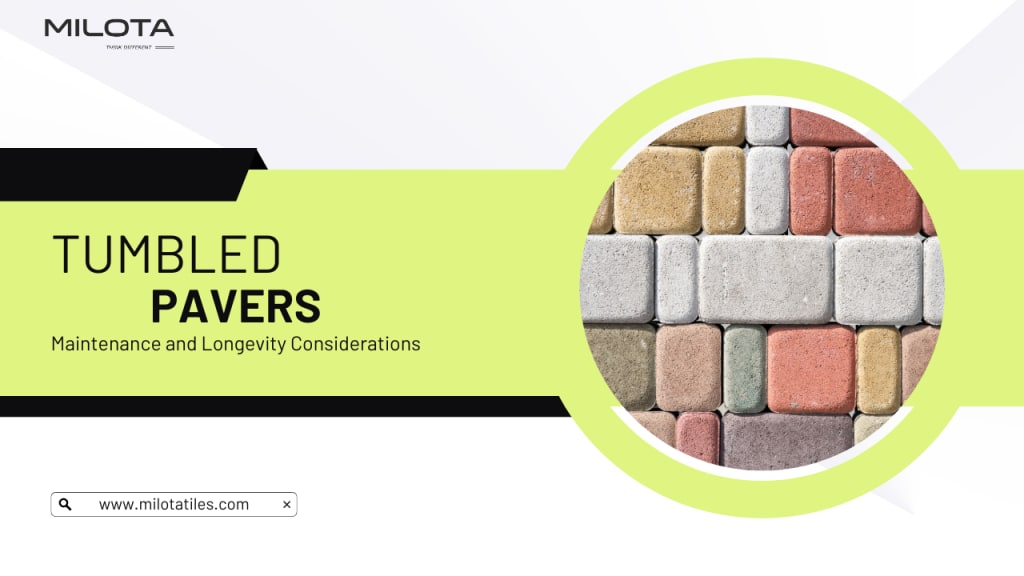
Tumbled pavers are prized for their weathered, antique look that brings warmth and timeless elegance to outdoor spaces. Whether you're building a rustic patio, a cobbled driveway, or a charming garden path, tumbled pavers offer durability, natural aesthetics, and versatility. However, when it comes to installation, one of the key decisions homeowners and contractors face is whether to choose a sand-filled or mortar-set method.
Each installation approach has its own advantages, limitations, and ideal use cases. In this article, we’ll explore both methods in-depth to help you determine the best option for your tumbled paver project.
What Are Tumbled Pavers?
Tumbled pavers are natural or concrete stones that have been mechanically “tumbled” to create soft edges and a worn appearance. This process gives the pavers a vintage, cobblestone-like finish that complements a variety of architectural styles, from Mediterranean and colonial to modern rustic.
They are commonly used for:
- Patios and courtyards
- Walkways and garden paths
- Driveways and pool decks
- Outdoor kitchens and fire pits
You can explore a wide range of tumbled paver options at Milota Tiles, where aesthetics meet durability.
Sand-Filled Installation: The Flexible Classic
How It Works
Sand-filled (also known as dry-set or flexible) installation involves laying tumbled pavers over a compacted base of gravel and sand. Once the pavers are placed, fine sand—often polymeric—is swept into the joints to lock them into place.
Pros of Sand-Filled Installation
- Flexible Movement
The dry-set method allows for natural expansion and contraction due to weather changes. This flexibility helps prevent cracking and makes repairs easier.
- Cost-Effective
Sand-filled installation generally costs less than mortar-set installation due to fewer materials and reduced labor requirements.
- Ease of Installation
This method is more DIY-friendly, making it a popular choice among homeowners who want to take on smaller landscaping projects themselves.
- Drainage-Friendly
Sand-filled joints allow rainwater to permeate through, making this method excellent for areas prone to water accumulation or poor drainage.
- Easier Repairs
If a paver cracks or shifts, it can be lifted and replaced without having to tear up surrounding areas.
Cons of Sand-Filled Installation
- More Maintenance Required
Sand joints may wash out over time, especially in high-traffic or rainy areas. Periodic refilling or sealing may be necessary.
- Weed Growth
Weeds or moss can grow between joints if polymeric sand isn’t used or if the installation isn’t sealed properly.
- Not Ideal for Heavy Loads
For driveways or commercial spaces with heavy vehicular traffic, sand-set pavers may shift or settle unevenly without proper reinforcement.
Mortar-Set Installation: The Solid Performer
How It Works
In mortar-set (or wet-set) installation, tumbled pavers are fixed onto a concrete base using a layer of mortar. Mortar is also used to fill joints between pavers, creating a solid and immovable surface.
Pros of Mortar-Set Installation
- Durability & Strength
Mortar-set pavers are anchored in place, making them ideal for areas with heavy foot traffic or vehicular use, such as driveways or commercial courtyards.
- Minimal Maintenance
Mortar-set installations require little upkeep. Since the joints are solid, you won’t need to refill sand or worry about weed growth.
- Clean, Uniform Look
The mortar creates a sleek and refined appearance that may appeal to those looking for a more formal or structured design.
- Better for Sloped or Uneven Ground
Wet-set installations can help achieve a more level surface on uneven terrain, especially when working with natural stone tumbled pavers.
Cons of Mortar-Set Installation
- Higher Cost
The use of concrete, mortar, and professional labor makes this method more expensive than sand-filled alternatives.
- Difficult Repairs
If a paver becomes damaged or stained, it’s more challenging to remove and replace it without disturbing adjacent stones.
- Less Permeable
Mortar-set pavers don’t allow water to drain between joints, increasing the risk of pooling if proper drainage systems aren’t in place.
- Cracking Risk
While solid, mortar can crack over time—especially in freeze-thaw climates or seismic zones—leading to potential maintenance down the line.
When to Choose Sand-Filled vs. Mortar-Set
✅ Choose Sand-Filled If:
You’re building a patio, garden path, or decorative area with light to moderate traffic.
- You want a permeable surface that supports natural drainage.
- You're working on a tight budget or considering a DIY approach.
- You prioritize easy maintenance and repair flexibility.
✅ Choose Mortar-Set If:
You’re installing tumbled pavers on a driveway or commercial space with heavy loads.
- You desire a sleek, solid, and highly durable finish.
- The area has slopes or uneven surfaces that need leveling.
- You want minimal maintenance and weed resistance.
Final Thoughts
Tumbled pavers offer unmatched charm and functionality for all kinds of outdoor spaces. Whether you go with the flexible, cost-effective sand-filled method or the sturdy, low-maintenance mortar-set approach, both options have compelling benefits. The key lies in assessing your project’s purpose, location, and long-term goals.
At Milota Tiles, we provide a wide variety of high-quality tumbled pavers that work beautifully with both installation methods. Our expert team is ready to help you find the perfect match for your vision—no matter which path you choose to lay down.
About the Creator
Milota Tiles
Milota Tile is a proud venture of the Milota Group, rapidly emerging as a leading name in the manufacturing, distribution, and export of premium ceramic and porcelain tiles under the MILOTA brand.
Keep reading
More stories from Milota Tiles and writers in FYI and other communities.
Moroccan Tile Trends 2025: What’s Hot in Artisan Tiling
From intricate zellige mosaics to bold geometric patterns, Moroccan tiles have always stood out as a vibrant expression of North African art and craftsmanship. As we step into 2025, the global appreciation for these handmade beauties is only deepening. Whether it’s a splash of pattern on a kitchen backsplash or an expansive courtyard makeover, Moroccan tiles are setting design trends across both residential and commercial spaces.
By Milota Tiles6 months ago in FYI
Miss Persephone's Manual to a Seemingly Ordinary Life
Miss Persephone was found at the dining table, her blue eyes swollen, her tears arriving and retreating like the tides of the ocean. Earlier that day, her family had visited her in the retirement home where she had lived for eight years. It was her eightieth birthday.
By Imola Tóth2 days ago in Fiction


Comments
There are no comments for this story
Be the first to respond and start the conversation.