
Moroccan Tile Trends 2025: What’s Hot in Artisan Tiling
Matte Finishes Redefine Traditional Zellige Aesthetics
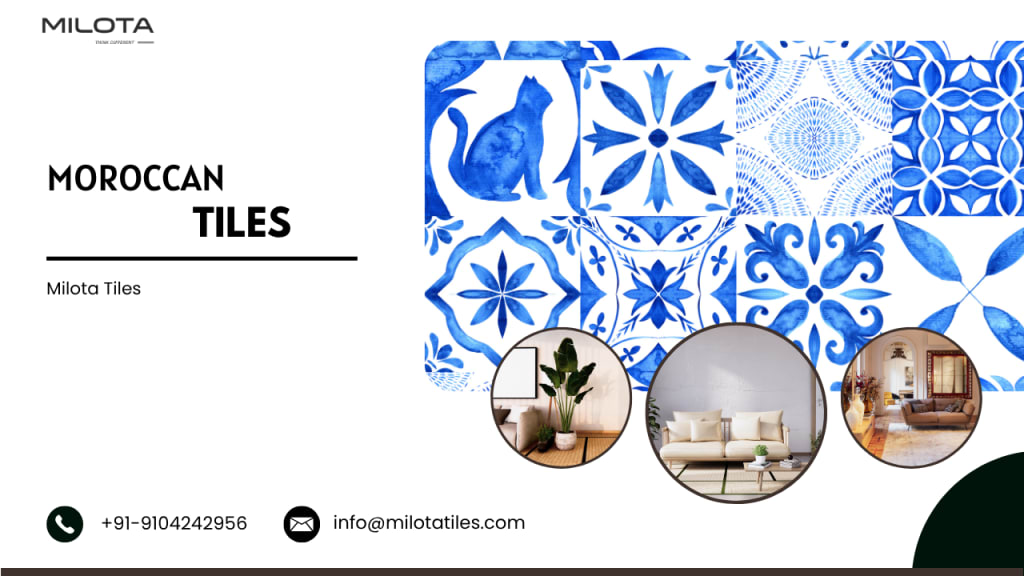
From intricate zellige mosaics to bold geometric patterns, Moroccan tiles have always stood out as a vibrant expression of North African art and craftsmanship. As we step into 2025, the global appreciation for these handmade beauties is only deepening. Whether it’s a splash of pattern on a kitchen backsplash or an expansive courtyard makeover, Moroccan tiles are setting design trends across both residential and commercial spaces.
In this article, we explore the top Moroccan tile trends for 2025, highlighting the colors, styles, and layout innovations that are reshaping modern interiors—without losing touch with centuries of tradition.
1. Earthy Tones and Desert-Inspired Palettes
The minimalistic whites and grays of the past few years are giving way to warmer, earthy hues in 2025. Inspired by Morocco’s natural landscapes, expect to see more terracotta, sand, ochre, clay red, and burnt orange tones in Moroccan tile collections.
These natural colors not only bring warmth and texture but also pair beautifully with organic materials like wood, rattan, and raw stone—perfect for homeowners and designers seeking biophilic or nature-inspired interiors.
2. Modern Zellige Tiles with Matte Finishes
Zellige tiles, traditionally recognized for their glossy surfaces and slight irregularities, are getting a contemporary makeover in 2025. Matte zellige tiles are gaining popularity, especially in muted tones like sage green, ivory, and matte charcoal.
These tiles maintain the handcrafted essence of Moroccan zellige but appeal to modern minimalist aesthetics. Matte finishes soften reflections, allowing the texture and craftsmanship to take center stage without overwhelming the space.
3. Mix-and-Match Patterns for Eclectic Spaces
2025 is all about personalization, and one way people are expressing their creativity is through mix-and-match Moroccan tile designs. Instead of using one pattern across an entire floor or wall, designers are combining various motifs—floral, geometric, and tribal—to create dynamic, visually interesting compositions.
This trend is especially powerful in entryways, powder rooms, or kitchen backsplashes where a touch of surprise and individuality makes a strong statement.
4. Large-Scale Moroccan Tile Layouts
Traditionally, Moroccan tiles have been smaller in size—often 4x4 inches or less. However, 2025 is seeing a shift toward larger-format Moroccan tiles. Oversized zellige or encaustic tiles in 8x8 or 12x12 inch dimensions are becoming popular for open spaces like living rooms, patios, and restaurant interiors.
These large tiles retain the intricate Moroccan patterns but reduce grout lines, offering a more seamless and contemporary look without losing cultural identity.
5. Neutral Moroccan Tiles for Scandinavian-Inspired Interiors
A fusion trend to watch in 2025 is the combination of Moroccan design with Scandinavian minimalism. This cross-cultural aesthetic relies on subdued color palettes—think soft gray, ivory, and pale blush—combined with minimalist Moroccan tile patterns.
The result? Light, airy interiors with subtle texture and visual rhythm. These neutral Moroccan tiles are ideal for bathrooms, minimalist kitchens, and small urban apartments where space and light are paramount.
6. Handmade Imperfections as a Premium Detail
In the age of mass production, the imperfections of handmade Moroccan tiles are becoming a design feature in themselves. Each tile tells a story—whether it’s a slightly uneven edge, variation in glaze, or texture differences.
Designers in 2025 are embracing these details as part of a larger trend toward authenticity and sustainability. Handmade Moroccan tiles symbolize craftsmanship, heritage, and the beauty of imperfection, which adds soul to any space.
7. Outdoor Moroccan Tiles for Courtyards and Pools
Moroccan tiles are no longer confined to interiors. In 2025, there is a surge in their use in outdoor spaces—especially for Mediterranean-style courtyards, water features, and even swimming pools.
Glazed zellige tiles in deep blue or aqua are being used for Moroccan-style pools, while terracotta-toned cement tiles are ideal for patios and walkways. Their durability and weather resistance, combined with aesthetic appeal, make them a popular choice for outdoor decor.
8. Sustainable and Eco-Friendly Production
As more consumers prioritize eco-conscious living, the focus is also shifting toward sustainable Moroccan tiles. In 2025, expect to see more tiles produced using eco-friendly practices such as:
- Low-energy firing techniques
- Recycled clay or natural pigments
- Non-toxic glazes
Many Moroccan tile producers are also engaging in fair-trade practices, ensuring that artisans are paid fair wages while preserving traditional methods.
9. High-Contrast Black and White Moroccan Patterns
For those who love drama and contrast, black and white Moroccan tile patterns are making a bold comeback. These tiles work especially well in modern monochrome interiors, giving just the right amount of detail without adding color.
Used in checkerboard layouts or bold geometric patterns, they make perfect flooring options for hallways, stair risers, or statement walls.
10. Moroccan Tiles as Wall Art and Decorative Features
Beyond functional use, Moroccan tiles in 2025 are also being celebrated as standalone art pieces. Many interior designers are framing individual tile sets or creating full mosaic installations as statement decor.
Whether installed above a fireplace, behind a bed as a tile headboard, or on stair risers, Moroccan tiles are proving their versatility as architectural art.
Why Moroccan Tiles Are Here to Stay
Moroccan tiles are more than just a design trend—they’re a celebration of culture, tradition, and craftsmanship. As 2025 embraces personalization, sustainability, and artisanal value, these tiles effortlessly bridge the past and future.
At Milota Tiles, we are proud to bring you a curated collection of authentic Moroccan tiles—handcrafted by skilled artisans, designed for modern living. From traditional zellige tiles to contemporary cement patterns, our tiles are perfect for homeowners, architects, and designers looking to create truly timeless spaces.
Final Thoughts
Whether you're renovating a home, designing a luxury hotel, or simply adding character to a kitchen backsplash, Moroccan tiles offer a blend of artistry and durability that few materials can match. As we look to 2025, these trends are shaping how we use and appreciate Moroccan tiles—not just for their aesthetic beauty, but for the stories they carry and the soul they bring to every space.
About the Creator
Milota Tiles
Milota Tile is a proud venture of the Milota Group, rapidly emerging as a leading name in the manufacturing, distribution, and export of premium ceramic and porcelain tiles under the MILOTA brand.
Keep reading
More stories from Milota Tiles and writers in FYI and other communities.
How to Use Moroccan Floor Tiles for an Exotic Living Room Look
Moroccan tiles have enchanted interior designers and homeowners around the world for centuries. With their intricate patterns, rich colors, and artisanal charm, Moroccan tiles are a timeless way to infuse any space with exotic beauty and sophistication. When used thoughtfully, Moroccan floor tiles can completely transform your living room into a vibrant, elegant, and culturally inspired retreat.
By Milota Tiles6 months ago in FYI




Comments
There are no comments for this story
Be the first to respond and start the conversation.