
Trend Forecast: What’s Next for Moroccan Tiles in 2026
How Moroccan Tiles Are Transforming Modern Interiors
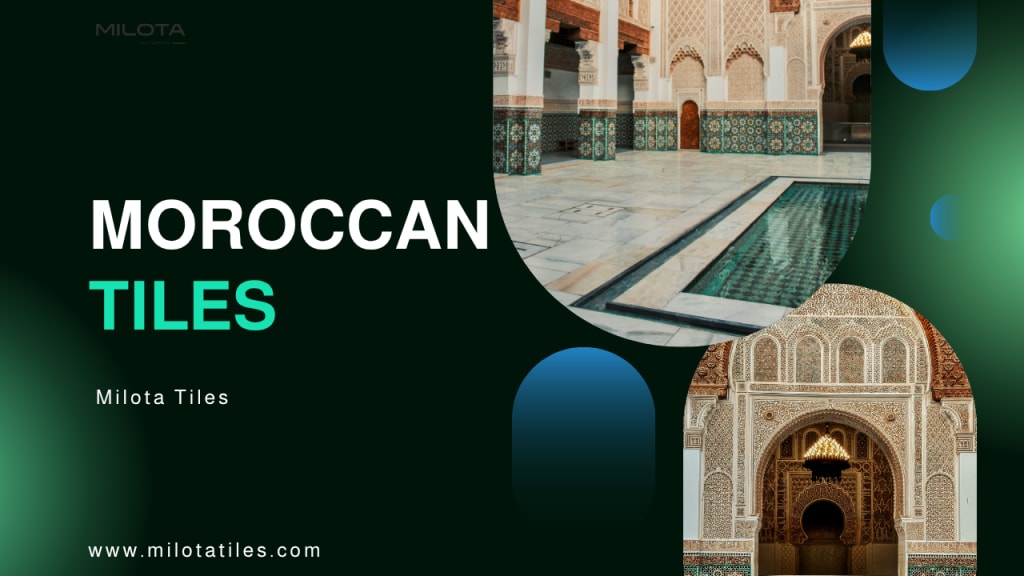
From ancient palaces in Marrakech to modern penthouses in London and Dubai, Moroccan Tiles have captivated the world for centuries. Known for their geometric precision, vivid color palettes, and handcrafted artistry, these tiles blend heritage with sophistication.
As design trends evolve, Moroccan Tiles continue to reinvent themselves—moving beyond traditional zellige walls into kitchens, bathrooms, outdoor patios, and commercial interiors. The year 2026 promises exciting new directions, where sustainability, technology, and cultural fusion redefine how we use and appreciate these artistic surfaces.
This article explores what’s next for Moroccan Tiles in 2026: upcoming colors, materials, techniques, and global trends shaping the next chapter of their legacy.
1. The Legacy of Moroccan Tiles: A Quick Look Back
Before we look forward, it’s essential to understand what makes Moroccan Tiles timeless. Originating from Morocco’s Moorish artisans, these tiles—especially zellige—were hand-cut from glazed terracotta and arranged in mesmerizing geometric patterns. Their design language is rooted in Islamic art, where repetition and symmetry symbolize infinity and balance.
Over centuries, Moroccan Tiles became a hallmark of craftsmanship, adorning mosques, riads, fountains, and homes. In the modern era, they have transcended geography—appearing in minimalist apartments, luxury resorts, and design exhibitions worldwide.
The enduring charm of Moroccan Tiles lies in their duality: ancient yet adaptable, cultural yet contemporary.
2. The Global Popularity of Moroccan Tiles
As the design world leans toward authenticity and storytelling, Moroccan Tiles have gained renewed fame. In 2025, Google Trends and design platforms like Pinterest saw a sharp rise in searches for “handmade Moroccan Tiles”, “modern zellige tiles”, and “colorful Moroccan backsplash ideas.”
Interior designers love their versatility—they can transform a plain wall into a focal masterpiece or elevate a neutral space with subtle texture.
Key reasons for their continued popularity include:
- Authentic craftsmanship that tells a cultural story.
- Customization possibilities in shapes, patterns, and colors.
- Eco-friendly materials that align with sustainable living.
- Adaptability across interior styles—from boho chic to minimalist luxe.
As we move into 2026, these attributes are evolving with new design philosophies and consumer demands.
3. Trend 1: Sustainability Shapes the Future
One of the strongest design currents for 2026 is sustainability, and Moroccan Tiles are perfectly positioned to lead this movement. Artisans are increasingly focusing on eco-conscious production techniques that preserve natural resources and reduce waste.
Key Sustainable Innovations in 2026:
- Recycled Clay & Glaze Materials: Many workshops are reusing waste clay and crushed tile fragments in new batches, minimizing landfill impact.
- Low-Emission Kilns: Traditional wood-fired kilns are being replaced with electric or solar-assisted systems to cut carbon emissions.
- Water-Based Glazes: Safer, non-toxic alternatives are gaining traction among eco-aware manufacturers.
These sustainable practices not only protect Morocco’s environment but also appeal to global homeowners and architects who prioritize responsible sourcing.
4. Trend 2: Earthy Neutrals Meet Jewel Tones
In 2026, color forecasting agencies like Pantone and WGSN predict a renewed appreciation for earthy neutrals combined with rich jewel tones—a palette perfectly aligned with Moroccan aesthetics.
Expected Color Directions:
- Sandstone Beige & Clay Terracotta: Inspired by Moroccan deserts and architecture.
- Emerald Green & Lapis Blue: Echoing traditional zellige and Mediterranean influences.
- Muted Coral & Sunset Gold: Adding warmth to modern interiors.
- Saffron & Indigo Accents: Perfect for bold accent walls or kitchen backsplashes.
Designers are using these hues to create immersive experiences—combining natural textures with hand-glazed finishes that catch the light in mesmerizing ways.
5. Trend 3: Texture Takes Center Stage
In 2026, the tactile appeal of Moroccan Tiles becomes a dominant feature. Designers are moving beyond glossy finishes toward more matte, hand-textured surfaces that celebrate imperfection and craftsmanship.
Popular Texture Innovations:
- Unpolished Zellige: Maintaining the irregularities that make every piece unique.
- Embossed Relief Tiles: Adding depth and visual rhythm to walls.
- Crackle-Glaze Finishes: Creating a vintage, time-worn effect.
These textural shifts align with the global “wabi-sabi” design philosophy—finding beauty in imperfection.
6. Trend 4: Geometric Reinvention
The signature of Moroccan Tiles—geometry—is getting a futuristic upgrade in 2026. Traditional eight-pointed stars and arabesques are being reimagined through modern design software, resulting in new hybrid shapes that blend Moroccan tradition with contemporary minimalism.
Expect to see:
- Asymmetric Zellige Layouts for organic wall effects.
- 3D Mosaic Tiles with sculptural geometry.
- Modular Hexagonal Systems for dynamic floor transitions.
This balance of heritage and innovation ensures Moroccan Tiles remain at the cutting edge of global design.
7. Trend 5: Mixing Old and New Materials
While clay remains the soul of Moroccan Tiles, 2026 will introduce exciting material hybrids:
- Zellige + Concrete: Offering industrial strength with artisanal beauty.
- Glass-Infused Tiles: Reflective surfaces for modern luxury homes.
- Reclaimed Marble Chips: Blending traditional mosaic style with terrazzo-like texture.
These new combinations cater to both commercial and residential spaces, allowing Moroccan design to meet the durability standards of contemporary architecture.
8. Trend 6: Digital Craftsmanship & AI Design
Technology is now merging with tradition. Moroccan artisans and global designers are using AI-assisted design tools to generate pattern variations inspired by classical geometry.
Digital glazing techniques and 3D printing are also helping replicate intricate designs faster while retaining handmade charm. Imagine a design generated by AI, printed on clay, and then glazed by hand—a perfect marriage of precision and authenticity.
By 2026, digital craftsmanship will make Moroccan Tiles even more accessible to global markets while preserving the art form’s essence.
9. Trend 7: Minimalist Moroccan Revival
While Moroccan design is famous for its vibrant complexity, 2026 will see a minimalist revival—simpler color schemes, clean lines, and smaller patterns.
Designers are pairing soft beige or white Moroccan Tiles with neutral interiors, achieving a serene aesthetic that still honors Moroccan roots.
This approach appeals to younger homeowners and luxury minimalists who want cultural charm without visual clutter.
10. Trend 8: Outdoor Living & Wellness Spaces
The global trend of outdoor wellness—gardens, patios, and spas—is giving Moroccan Tiles new territory. Their weather resistance and artistic charm make them ideal for:
- Pool decks with zellige borders
- Outdoor kitchens and dining zones
- Meditation corners with patterned tile flooring
Moroccan Tiles in soft blues, aquas, and natural whites will dominate 2026 outdoor design projects, blending Mediterranean relaxation with Moroccan artistry.
11. Trend 9: Customization & Local Collaboration
Personalization remains key in 2026. Homeowners and brands want unique, story-driven designs. Tile producers are now offering:
- Custom color blends and patterns
- Collaborations with local artists
- Limited-edition zellige collections
Such collaborations highlight local Moroccan craftsmanship while offering exclusive designs to a global clientele.
12. Trend 10: Sustainable Supply Chains and Fair Trade
Beyond design, the ethical sourcing of Moroccan Tiles is a defining trend. International buyers are increasingly verifying fair labor practices and artisan compensation.
Workshops certified under fair trade principles ensure that traditional craftspeople benefit directly from the global demand for their artistry. This human-centered approach aligns with global sustainability goals and conscious consumerism.
13. How Moroccan Tiles Fit into Modern Interiors
In 2026, designers are integrating Moroccan Tiles seamlessly across interior elements:
- Kitchen Backsplashes: Mixing neutral cabinetry with bold zellige patterns.
- Bathrooms: Combining glossy handmade tiles with brushed brass fixtures.
- Flooring: Using large-format Moroccan-inspired mosaics for open living spaces.
- Accent Walls: Turning empty walls into artistic statements.
This versatility ensures Moroccan Tiles never go out of style—they simply evolve with the times.
14. Commercial Applications: Hotels, Cafés & Retail
Hospitality and retail sectors will increasingly embrace Moroccan Tiles for branding and ambiance. Boutique hotels, for example, are using them to evoke cultural warmth, while cafés and spas use zellige textures to create immersive, sensory spaces.
With durability, hygiene, and beauty, Moroccan Tiles tick all the boxes for modern commercial design in 2026.
15. Trend 11: Digital Showrooms and Virtual Design
By 2026, the digital shopping experience for tiles will be immersive. Augmented reality (AR) and virtual reality (VR) showrooms will allow customers to visualize Moroccan Tiles in real-time, changing colors, layouts, and finishes before purchase.
This technological leap will help customers explore Moroccan Tiles collections online—just like those available at Milota Tiles—and make informed design decisions instantly.
16. The Influence of Global Culture
From Parisian apartments to Indian villas, Moroccan Tiles continue to blend with global styles. 2026 will see more fusion interiors, where Moroccan motifs meet Scandinavian minimalism, Japanese zen, or Mediterranean coastal designs.
The result? Interiors that feel global yet rooted in craftsmanship—a symbol of cultural harmony.
17. The Role of Artisans in the Future of Moroccan Tiles
No matter how modern the world becomes, the true soul of Moroccan Tiles will always rest in the hands of artisans. Their time-honored skills, passed through generations, are the beating heart of this craft.
As global demand grows, preserving artisan techniques—while integrating innovation—will be vital to keeping Moroccan Tiles authentic and sustainable.
18. Why Choose Moroccan Tiles in 2026
By 2026, Moroccan Tiles will represent more than a design choice—they’ll symbolize:
- Artisanal craftsmanship
- Sustainability
- Global cultural fusion
- Longevity and timelessness
Whether for homes, offices, or commercial spaces, Moroccan Tiles continue to offer a balance between beauty, history, and innovation.
Conclusion: The Future is Handmade and Sustainable
As we look toward 2026, Moroccan Tiles stand as a beacon of enduring design. They bridge the gap between past and future, art and technology, local and global.
The upcoming trends—sustainability, minimalism, texture, customization, and ethical production—signal a bright future for this age-old craft. With innovation enhancing, not replacing, tradition, Moroccan Tiles are set to shine even brighter in the design world of tomorrow.
So, whether you’re a designer, homeowner, or architect, 2026 is the year to rediscover Moroccan Tiles—their artistry, sustainability, and ability to transform every space into a timeless masterpiece.
About the Creator
Milota Tiles
Milota Tile is a proud venture of the Milota Group, rapidly emerging as a leading name in the manufacturing, distribution, and export of premium ceramic and porcelain tiles under the MILOTA brand.
Keep reading
More stories from Milota Tiles and writers in FYI and other communities.
The History and Craft of Moroccan Tiles: From Zellige to Today
Few design elements embody artistry, tradition, and timeless elegance quite like Moroccan Tiles. With their intricate geometry, radiant colors, and deep cultural symbolism, these tiles have traveled across centuries and continents, inspiring architects, interior designers, and homeowners worldwide. From their origins in Islamic art to their role in modern interiors, Moroccan Tiles stand as a testament to craftsmanship that continues to evolve while honoring its past.
By Milota Tiles4 months ago in FYI
Miss Persephone's Manual to a Seemingly Ordinary Life
Miss Persephone was found at the dining table, her blue eyes swollen, her tears arriving and retreating like the tides of the ocean. Earlier that day, her family had visited her in the retirement home where she had lived for eight years. It was her eightieth birthday.
By Imola Tóth2 days ago in Fiction


Comments
There are no comments for this story
Be the first to respond and start the conversation.