
Transforming Sawdust into Charcoal: Revolutionizing the Wood Processing Industry
Transforming Sawdust into Charcoal: Revolutionizing the Wood Processing Industry

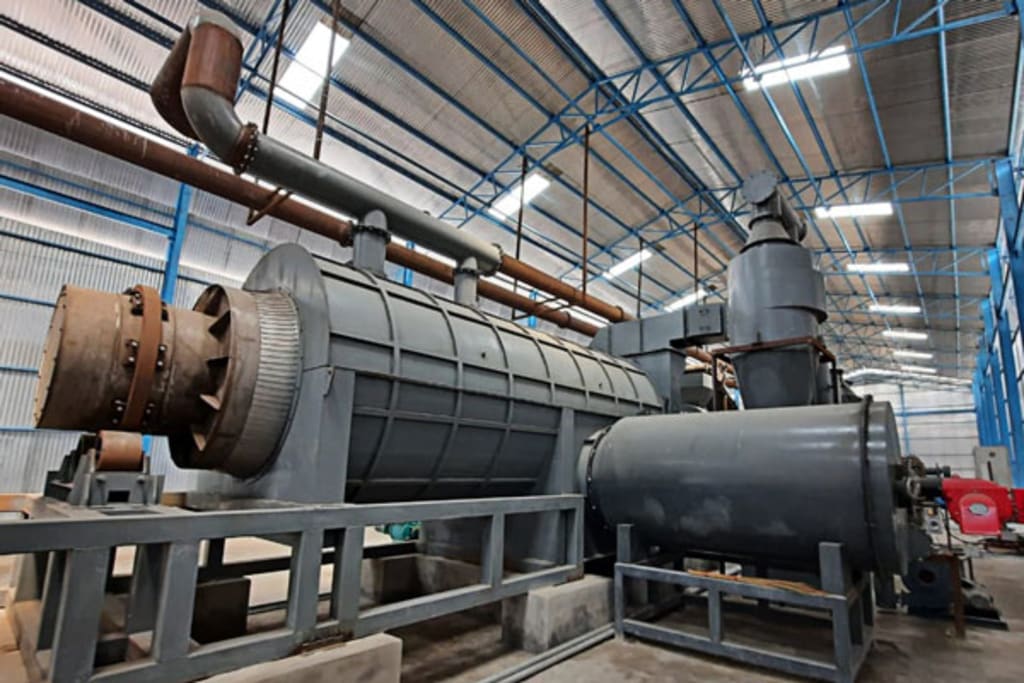
The journey begins with the accumulation of sawdust, an inevitable byproduct of wood processing. Traditionally seen as a nuisance, sawdust has now found redemption in the form of a sawdust charcoal machine. This marvel of engineering utilizes advanced pyrolysis technology to convert sawdust into high-quality charcoal through a controlled heating process.
Pyrolysis: The Alchemical Transformation
Pyrolysis, the heart of this process, involves subjecting the sawdust to high temperatures in the absence of oxygen. This controlled environment induces the breakdown of complex wood compounds, resulting in the release of volatile gases and the formation of charcoal. The sawdust charcoal machine orchestrates this alchemical transformation with precision.
The Key Components
1. Feeding System:
The journey commences as sawdust is fed into the machine through a meticulously designed feeding system. This sets the stage for the subsequent stages of the pyrolysis process.
2. Pyrolysis Reactor:
At the core of the machine lies the pyrolysis reactor, where the magic unfolds. The reactor's temperature control mechanisms ensure optimal conditions for the conversion of sawdust into charcoal.
3. Condensation System:
As the volatile gases escape the pyrolysis reactor, they enter the condensation system. Here, these gases undergo a transformative journey, condensing into liquid form—yielding valuable byproducts.
4. Charcoal Cooling System:
The freshly minted charcoal then enters the cooling system, where it undergoes a gradual cooling process. This not only enhances the quality of the charcoal but also makes it ready for various applications.
The Environmental Impetus
Waste to Wealth:
The sawdust charcoal machine exemplifies the paradigm shift towards circular economies. By converting sawdust, once considered waste, into a valuable resource, it aligns with the principles of sustainability and resource efficiency.
Reducing Carbon Footprint:
Unlike traditional methods of charcoal production, the sawdust-to-charcoal solution significantly reduces carbon emissions. The closed-loop system of pyrolysis ensures that the process remains environmentally benign, contributing to a greener planet.
Applications of Sawdust Charcoal
Energy Generation:
The charcoal produced by the sawdust charcoal machine serves as an excellent fuel source. Its high calorific value makes it ideal for energy generation, offering an eco-friendly alternative to traditional fossil fuels.
Metallurgical Industries:
Industries involved in metallurgy find the charcoal derived from sawdust particularly appealing. Its purity and composition make it a sought-after reductant in various metallurgical processes.
Agricultural Enhancement:
Charcoal, known for its porous nature, becomes a potent soil amendment. Farmers benefit from its ability to enhance soil fertility and water retention, contributing to sustainable agriculture practices.
Advantages of the Sawdust Charcoal Machine
Resource Optimization:
By harnessing the power of pyrolysis, the machine maximizes the utilization of sawdust, ensuring that every bit of this byproduct contributes to the production of valuable charcoal.
Emission Control:
The closed-loop nature of the pyrolysis process not only prevents harmful emissions but also captures and repurposes volatile gases, further minimizing the environmental impact.
Versatility:
The sawdust charcoal produced is versatile, finding applications across various industries. Its adaptability makes it a valuable commodity in the market.
Challenges and Innovations
Feedstock Variability:
The quality of charcoal produced can be influenced by the variability in sawdust feedstock. Innovations in machine design and process optimization are continually addressing this challenge, ensuring consistent output.
Scaling Up:
While the sawdust charcoal machine has proven its efficacy on a smaller scale, scaling up operations presents challenges. Innovations in scalable designs and integrated systems are pivotal in overcoming these hurdles.
Future Outlook
The sawdust-to-charcoal solution stands as a testament to the wood processing industry's commitment to sustainable practices. As technology advances and innovations continue to unfold, the sawdust charcoal machine is poised to become a cornerstone in the broader landscape of waste-to-energy solutions.
About the Creator
Bestonpyrolysis
Engaged in waste plastic/tyre/rubber recycling, oil sludge treatment, biomass recycling, sewage sludge management and paper recycling…
https://bestonpyrolysisplant.com/
Keep reading
More stories from Bestonpyrolysis and writers in FYI and other communities.
Biochar: The "Black Gold" Revolutionizing Environmental Remediation
Biochar, a highly porous material produced through the pyrolysis of organic waste, has gained significant attention in recent years due to its potential in various environmental applications. One of the most promising uses of biochar is its ability to remove pollutants from water, soil, and air, making it a valuable tool in sustainable environmental management. In this blog post, we will explore the diverse applications of biochar in pollutant removal and how it is becoming a vital component of eco-friendly technologies.
By Bestonpyrolysisa day ago in Earth
Flames on the frontier _when border burn and peace stand at the crossroads
In global politics, some borders are not merely lines drawn on a map; they carry layers of history, culture, memories, and pain. The border between Afghanistan and Pakistan is one such frontier, shaped by decades of mistrust, shared traditions, conflict, and cooperation. The clashes that intensified in February 2026 have once again brought this sensitive region into the spotlight of international attention.
By hamad khan6 days ago in FYI




Comments
There are no comments for this story
Be the first to respond and start the conversation.