
The Truth About Heavy Metals in Protein Powders
What You Need to Know
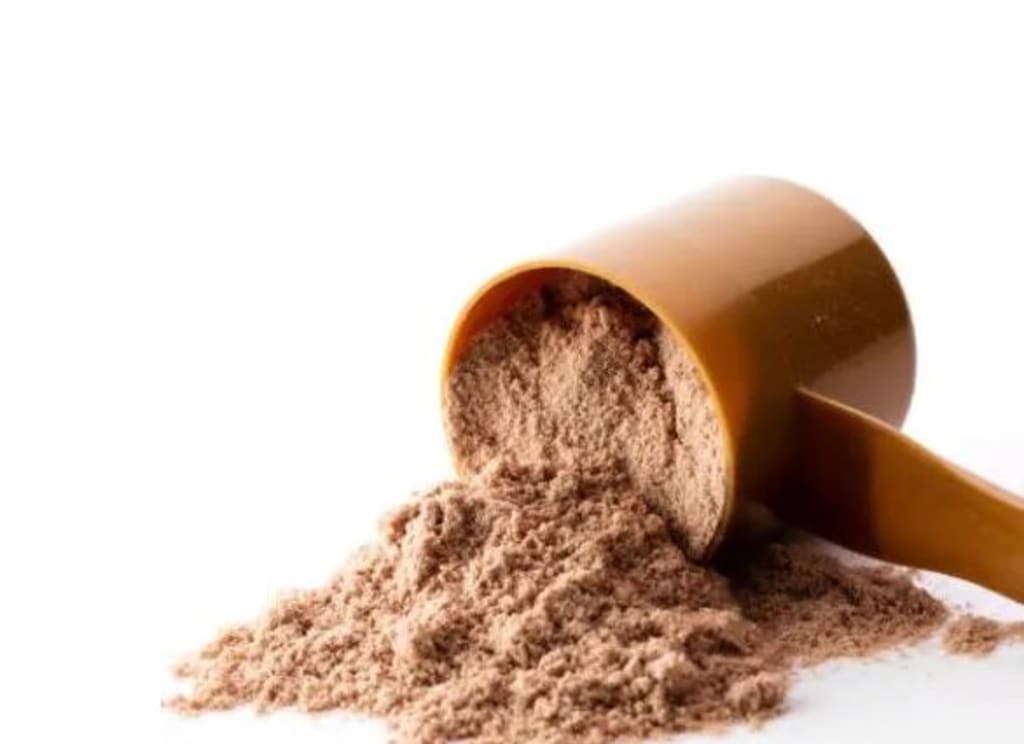
rotein powders have become a staple in the diets of athletes, fitness enthusiasts, and individuals seeking to supplement their daily protein intake. From muscle recovery to weight management, protein supplements offer a convenient and efficient way to support health and fitness goals. However, recent research has raised concerns about the presence of heavy metals in some protein powders—an issue that warrants attention. Understanding how these metals end up in protein powders, the potential health risks they pose, and how to minimize exposure is essential for making informed and safe choices.
What Are Heavy Metals?
Heavy metals are naturally occurring elements that can be toxic to the human body when ingested in significant quantities or over long periods of time. While some metals like iron and zinc are essential in trace amounts, others—such as lead, cadmium, arsenic, and mercury—have no known beneficial role in human health and are considered toxic.
Here are a few of the most concerning heavy metals found in some protein powders:
Lead – Known to affect brain function and contribute to developmental delays, particularly in children.
Cadmium – A toxic metal and known carcinogen that accumulates in the kidneys, potentially causing long-term damage.
Arsenic – Linked to an increased risk of cancer, cardiovascular disease, and other health issues.
Mercury – Particularly harmful to the nervous system, mercury exposure can impair cognitive function and motor skills.
How Do Heavy Metals End Up in Protein Powders?
The contamination of protein powders with heavy metals can occur at various stages, from cultivation to manufacturing. Here are the most common pathways:
Soil Contamination – Plant-based protein sources like rice, peas, and hemp can absorb heavy metals directly from contaminated soil, especially in regions with high pollution levels or the use of certain fertilizers and pesticides.
Water Contamination – Water used during crop irrigation or in the manufacturing process can carry trace amounts of heavy metals, contributing to overall contamination.
Manufacturing and Processing – Poor quality control, outdated equipment, or contaminated facilities can introduce or fail to remove harmful substances during production.
Use of Low-Quality Ingredients – Cheaper protein powders may use raw materials sourced from less-regulated suppliers, increasing the risk of contamination.
Are Heavy Metals in Protein Powders Dangerous?
The mere presence of heavy metals in protein powders does not automatically make them dangerous. In fact, trace levels of many of these elements can be found naturally in a wide range of foods and environmental sources. However, regular consumption of protein powders that contain elevated levels of heavy metals can lead to cumulative exposure, which over time may cause adverse health effects.
Potential health concerns include:
Organ Damage – Cadmium and lead can accumulate in the kidneys and liver, impairing their function over time.
Neurological Impairment – Chronic exposure to mercury and lead has been linked to reduced cognitive performance, memory loss, and other neurological issues.
Cancer Risk – Long-term ingestion of arsenic and cadmium is associated with an increased risk of developing cancer.
How to Choose a Safe and Healthy Protein Powder
If you’re concerned about heavy metals in your supplements, the good news is that there are steps you can take to reduce your risk and still enjoy the benefits of protein powders:
Look for Third-Party Testing – Reputable brands often conduct independent testing for contaminants, including heavy metals. Check if the company publishes lab results or certifications.
Choose Trusted Brands – Established brands with a strong reputation for quality control and ethical sourcing are more likely to offer cleaner products.
Consider the Protein Source – Plant-based protein powders are more prone to heavy metal contamination due to soil absorption. If you’re not strictly plant-based, consider alternatives like whey, collagen, or egg white protein, which generally have lower levels of heavy metals.
Read Ingredient Labels – Avoid powders with unnecessary fillers, artificial sweeteners, and synthetic additives, which may signal lower product quality.
Balance with Whole Foods – Don’t rely solely on supplements for protein. Incorporate natural protein-rich foods such as lean meats, fish, legumes, dairy, nuts, and seeds into your daily meals.
Protein powders can be a convenient and effective way to support a healthy lifestyle, but it’s crucial to be informed about what’s in the products you consume. While heavy metals are a valid concern, they don’t have to be a dealbreaker. By opting for high-quality, third-party tested protein powders and maintaining a balanced, nutrient-rich diet, you can safely meet your protein needs without putting your long-term health at risk. As with any supplement, doing your homework and choosing wisely can make all the difference in supporting your wellness goals.
About the Creator
john batista bocchino
John Batista Bocchino views an investment in health as an investment in longevity and quality of life. He publishes this website to share health, fitness and nutrition resources from recognized experts
Keep reading
More stories from john batista bocchino and writers in FYI and other communities.
The Health Benefits of NAD: Boosting Energy, Longevity, and Cellular Health
Nicotinamide adenine dinucleotide (NAD) is a vital molecule found in every cell of the body, playing a crucial role in energy production, DNA repair, and overall cellular function. As we age, NAD levels naturally decline, which has been linked to various health issues, including reduced metabolism, cognitive decline, and increased susceptibility to diseases. Understanding the benefits of NAD and how to maintain optimal levels can significantly enhance your overall well-being.
By john batista bocchino9 months ago in FYI
A Failed Artist, A Disillusioned Poet, An Underpaid Game Show Host
I took my son and niece to Gori, a small town in Georgia where Joseph Stalin was born. They talked me into visiting the Stalin's Museum, the largest in the post-Soviet space. I had resisted going there because I just can't stand the monster and know enough about him, or so I thought.
By Lana V Lynx19 days ago in FYI
Hello You”: The Small Greeting With a Big Human Meaning
“Hello you” is one of the simplest phrases in the English language, yet it carries a surprising amount of emotional, cultural, and social weight. At first glance, it seems informal, even throwaway—something said without much thought. But when examined closely, “hello you” reveals how language adapts to intimacy, technology, and the human need for recognition in an increasingly fast-paced world.
By Salaar Jamali4 days ago in FYI



Comments