
The Timeless Title: “Olu of Warri” – A Pre-Colonial Legacy Rooted in History, Affirmed by Colonial Recognition Before 1952
By Adrian O Edema 11/01/2026

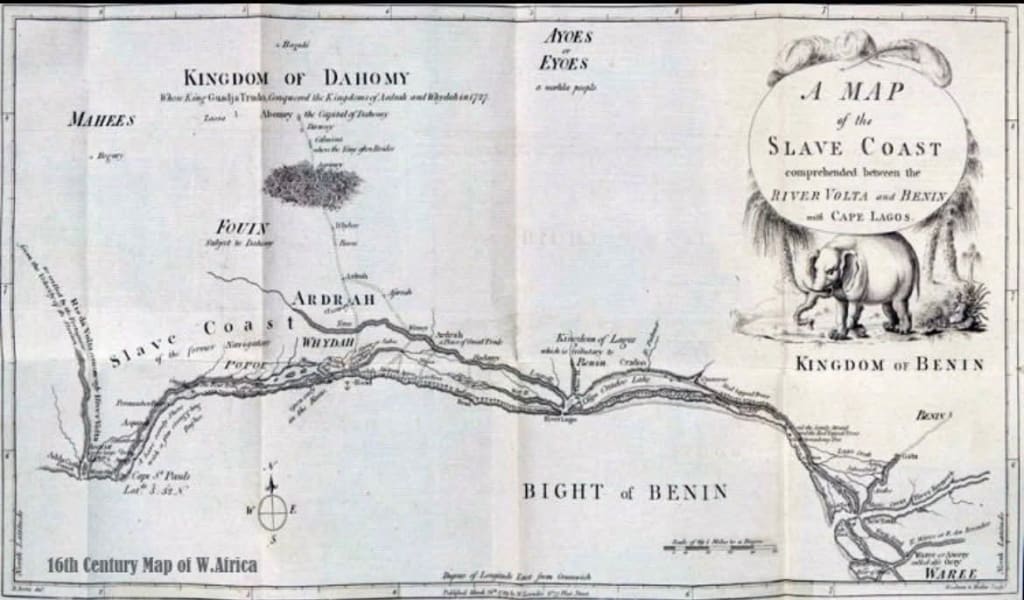
The title “Olu of Warri” stands as an enduring symbol of sovereignty, predating colonial rule by centuries and embodying the unbroken monarchy of the Warri Kingdom. Far from being a modern invention, this title traces its origins to the late 15th century, when Prince Ginuwa, son of the Oba of Benin, founded the kingdom in 1480 as “Iwere” – the ancestral homeland of the Itsekiri people. Historical records, maps, and accounts from European explorers unequivocally demonstrate that the monarch was consistently referred to as the Olu or King of Warri long before British colonial interference. The temporary shift to “Olu of Itsekiri” in the 1930s was a colonial administrative concession tied to the creation of Warri Province, but compelling evidence from colonial documents reveals that the British authorities had already recognized and supported the historical validity of “Olu of Warri” as early as 1936 – well before the formal restoration in 1952. Through persuasive evidence from Portuguese decrees, ancient maps, literary accounts, royal narratives, and declassified colonial dispatches, this article affirms that the “Olu of Warri” has always been the rightful designation, reflecting a kingdom’s sovereignty and its king’s dominion, with pre-1952 colonial endorsements underscoring its legitimacy.
Origins in Pre-Colonial Times: The Founding of a Kingdom and Its Sovereign
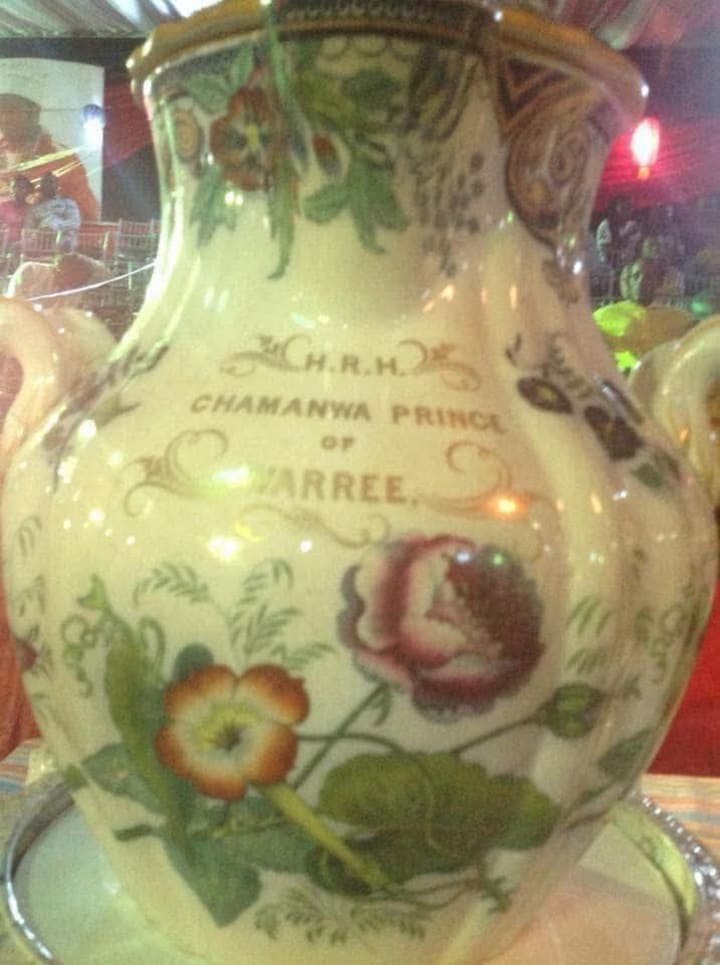
The Warri Kingdom’s history begins in 1480, when Prince Ginuwa – later Olu Ginuwa I – established his rule over the riverine areas, earning the title “Ogiame,” meaning “King of the Waters” in Edo. This foundation is well-documented in Benin historical accounts, such as those by Jacob Egharevba, who notes Ginuwa’s mandate from his father, Oba Olua, to reign over these lands. From inception, the monarch was the Olu of Warri, with “Warri” deriving from “Iwere,” the Itsekiri name for their homeland – not the people themselves. As Alfred Rewane, a prominent Itsekiri elder, asserted in his 1993 press statement: “The Official Title of the WARRI Monarch, from the founding of the WARRI KINGDOM in 1480, has always been OLU of WARRI.” This is corroborated by Professor Saburi Biobaku’s Yoruba Historical Research, which dedicates volumes to the Itsekiri migrations and monarchy, confirming the title’s antiquity in one of Nigeria’s best-documented histories.
European interactions further solidify this. Early explorers, missionaries, and traders recorded the kingdom’s existence and its ruler’s title without ambiguity, proving the monarchy’s pre-colonial stature.
Portuguese Records: Early Affirmations of the “King of Warri”
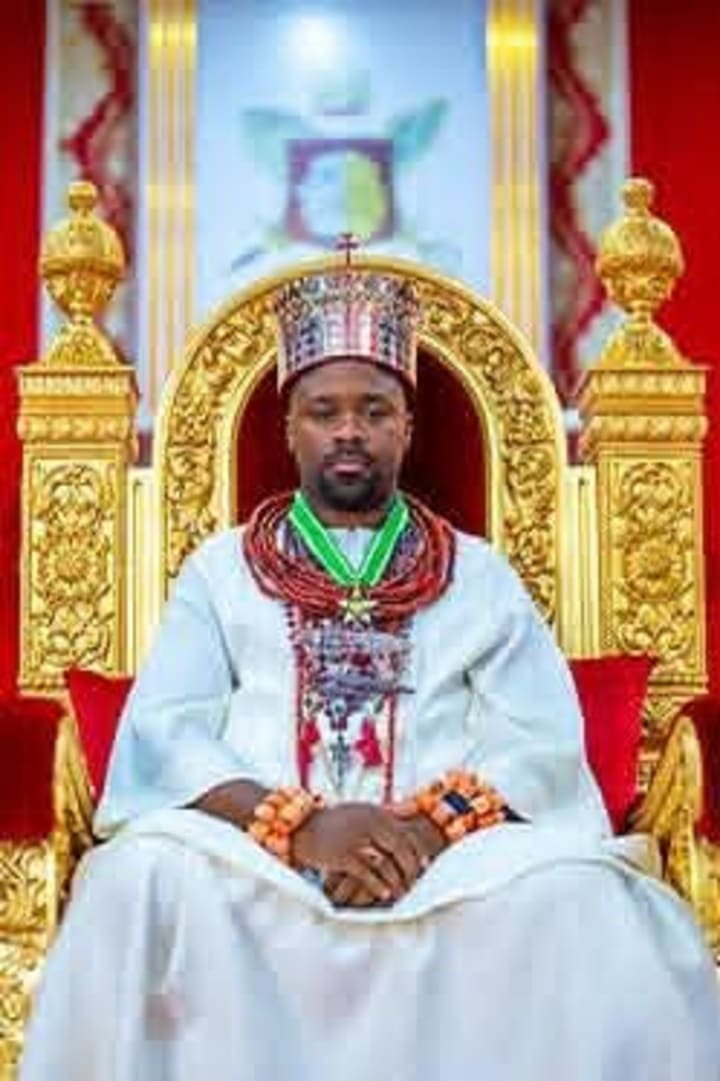
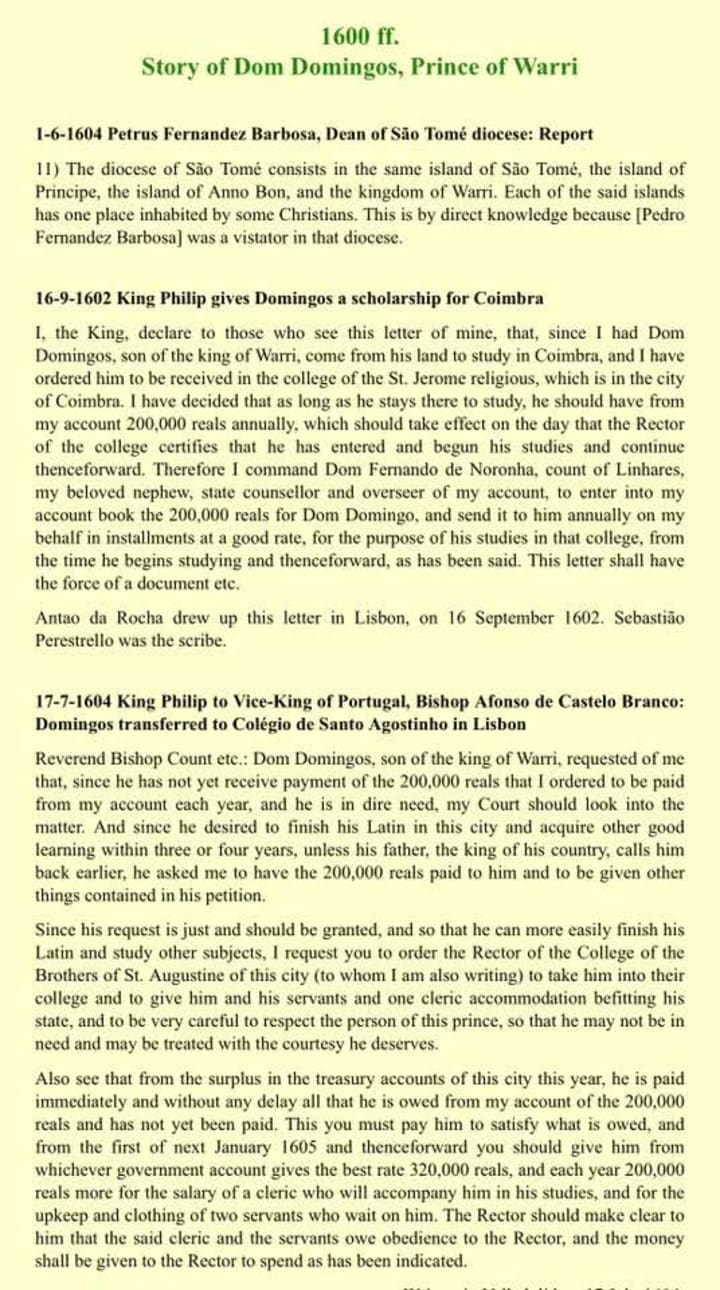
Portuguese records from the 16th and 17th centuries provide irrefutable evidence of the title’s pre-colonial use. In 1607, a decree from the King of Portugal explicitly references the “King of WARRI” and his son, “Prince DOMINGOS.” This prince, whose Itsekiri name was Eyeomasan, was the son of Olu Atorongboye (reigned 1597–1625), the first baptized Olu, known as Sebastian. Eyeomasan later ruled as Olu Atuwatse I (1625–1643). This decree highlights diplomatic ties, with the Portuguese acknowledging the Warri monarch’s sovereignty over his kingdom.
Further, in 1651, Urbanus Cerri documented that the “King of WARRI” wrote to Pope Innocent X requesting missionaries, underscoring the kingdom’s international recognition. These records, preserved in colonial archives, demonstrate that the “Olu of Warri” was not a colonial construct but a title engaged in global diplomacy centuries before British arrival.
Maps and Books: Visual and Literary Proof of the Kingdom and Its King
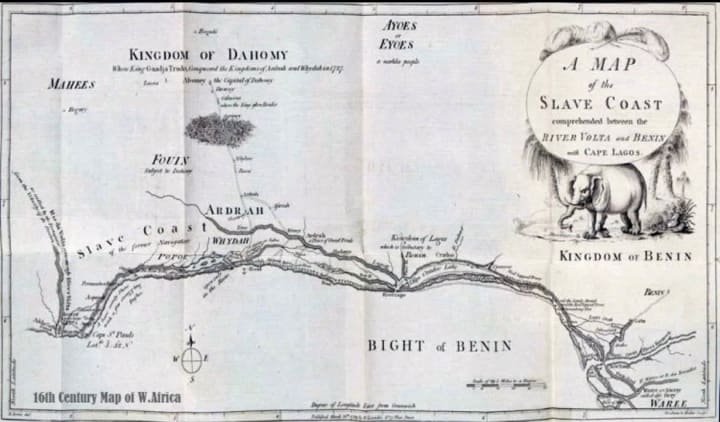
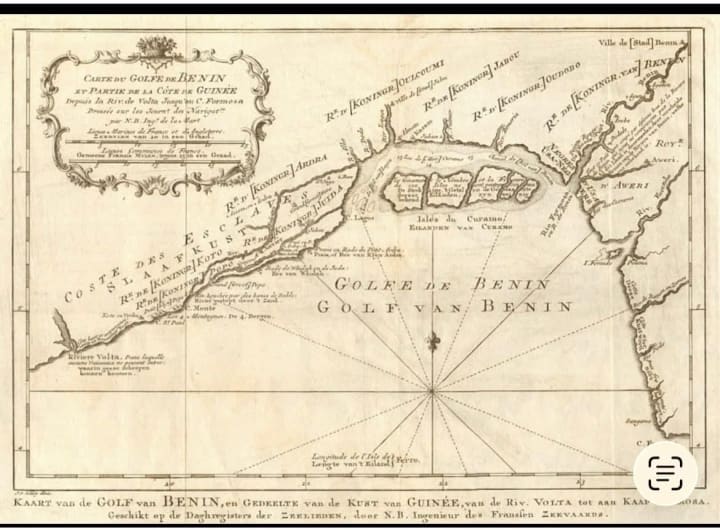
Historical maps offer compelling visual evidence that the Kingdom of Warri (variously spelled as Owere, Awere, Awerri, or Ouere) existed pre-colonially, and where there is a kingdom, there is invariably a king – the Olu.
A 16th-century map of West Africa, published in 1762, clearly marks “Owere” along the Slave Coast, depicting it as a sovereign entity between the Kingdoms of Dahomey and Benin. This map, among others from the 1580–1700 period, shows “Awerri” (now Warri) as a distinct kingdom, implying a ruling monarch.
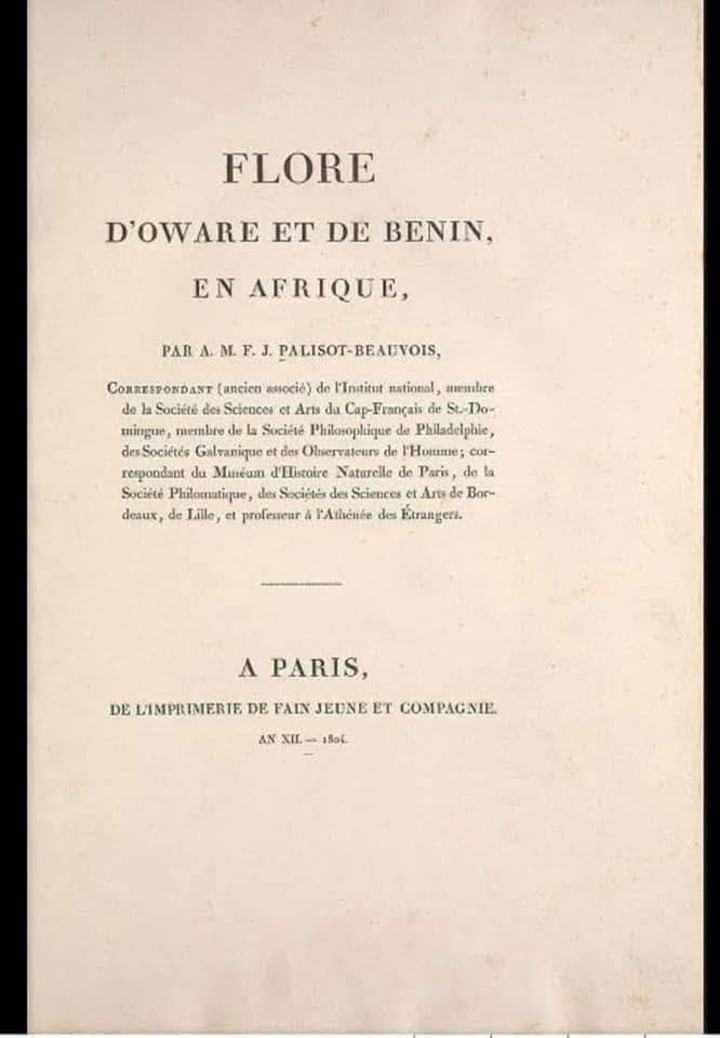
Books from the era reinforce this. John Barbot, a 17th-century Dutch writer, described “OYWERE” as the capital giving its name to the country, ruled by a king. Father Jerome Merolla da Sorrento in 1682 noted missionaries being “courteously received by the King” upon entering the “KINGDOM of OUUERRI (WARRI).” P.A. Talbot’s “The Peoples of Southern Nigeria” (1926) cites 1651 correspondence with the “King of WARRI.” These sources, spanning centuries, affirm that the kingdom’s existence necessitated a sovereign – the Olu of Warri – long before colonial maps redrew boundaries.
The Story of Prince Mark Budakan: A Nephew to the King of Warri
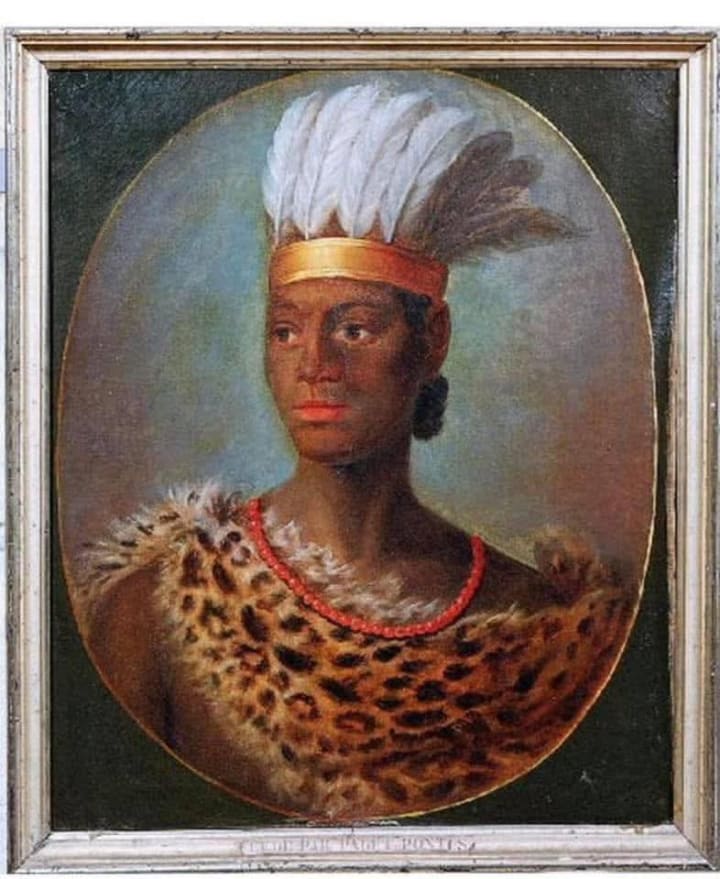
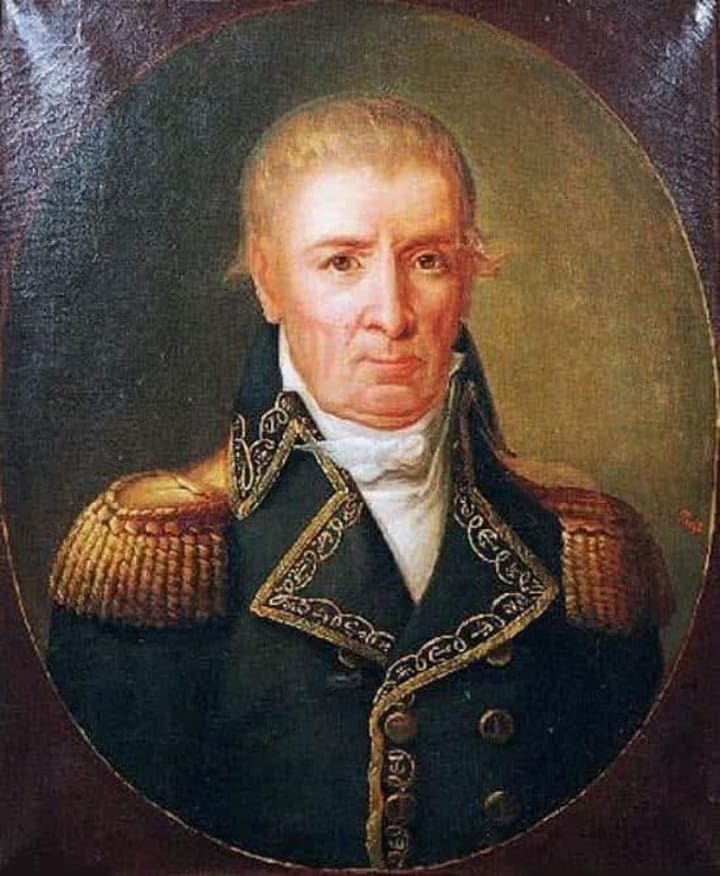
One poignant narrative underscoring the title’s pre-colonial legitimacy is that of Prince Mark Budakan, nephew to the King of Warri (Olu Erejuwa, reigned circa 1760–1795). In 1786, Captain Sieur Jean François Landolphe took Budakan to France to learn administration and French customs. Presented to the French Royal Court under Louis XVI, Budakan – son of the king’s sister – received a royal pension of 1,500 francs and left a lasting impression in Parisian society. A portrait was even made of him at Versailles. Upon returning, he was warmly received by King Otobia in Warri. This account, detailed in Landolphe’s writings and corroborated in modern histories, explicitly refers to Budakan’s uncle as the “King of Warri,” proving the title’s use in the 18th century.
The 1848 Death of the King: Echoed in Fraser’s Magazine
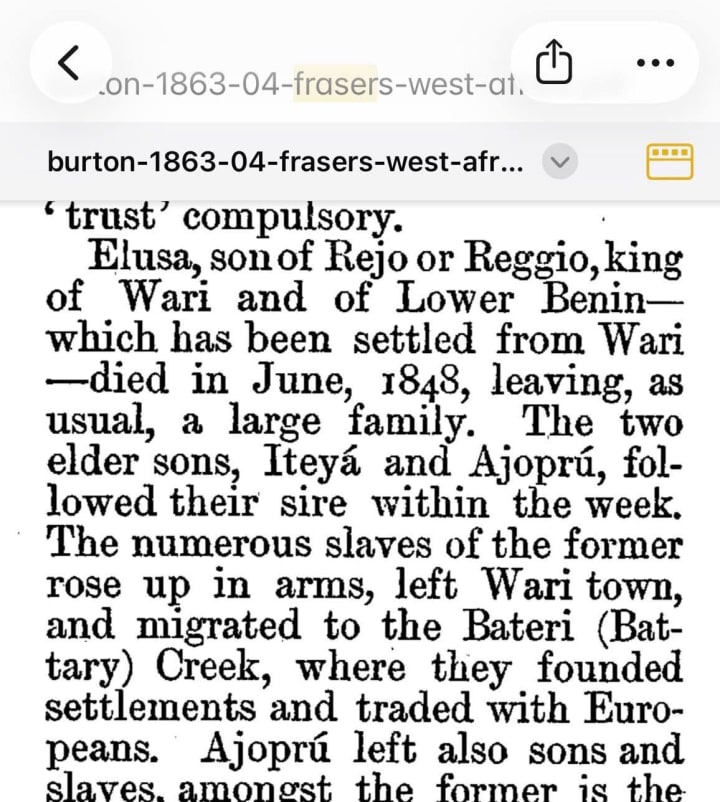
The title’s continuity is further evidenced by the 1848 death of Olu Akengbuwa II, the last Olu before an 88-year interregnum. Fraser’s Magazine for February 1863, in “My Wanderings in West Africa,” recounts: “Elusa, son of Rey (or Reggio), King of Wari and of Lower Benin – which has been settled from Wari – died in June, 1848… The two elder sons, Iteya and Ajoprd, followed their sire within the week.” This explicit reference to the “King of Wari” (Warri) in a prominent British publication confirms the title’s pre-colonial and mid-19th-century usage, even amid succession turmoil.
Colonial Interruption: The Use Of “Olu of Itsekiri” in the 1930s, Despite Pre-1952 Support for “Olu of Warri”
The title’s temporary alteration occurred in 1936 during preparations for Olu Ginuwa II’s coronation. With the creation of Warri Province in 1914 under Lord Lugard – encompassing Urhobo, Ijaw, and other lands (formerly known as Jekri-Sobo Division) – Urhobo leaders, led by Chief Mukoro Mowoe, protested, fearing the “Olu of Warri” implied dominion over non-Itsekiri areas. The colonial administration changed it to “Olu of Itsekiri” to appease them. However, this was administrative expediency, not historical revision. Crucially, declassified colonial records prove that the British government had already supported the restoration to “Olu of Warri” on historical grounds before 1952.
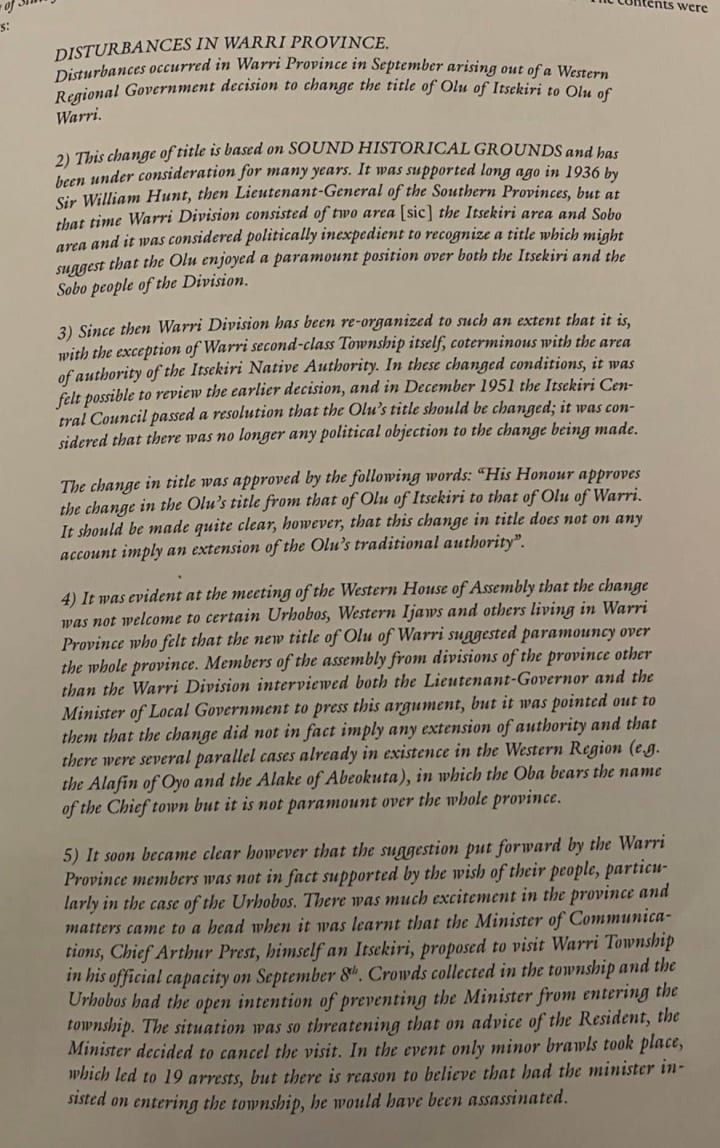
A pivotal document from colonial archives (File Ref: C544/708), extracted in historical analyses, reveals that as early as 1936, Sir William Hunt, then Lieutenant-Governor (or Chief Commissioner) of the Southern Provinces, endorsed the title “Olu of Warri” based on sound historical evidence. In a 1952 dispatch from the Governor of Nigeria to the Secretary of State for the Colonies (dated 14 October 1952, Reference Number 4153), it is explicitly stated: “This change of title is based on SOUND HISTORICAL GROUNDS and has been under consideration for many years. It was supported long ago in 1936 by Sir William Hunt, then Lieutenant-General of the Southern Provinces, but at that time Warri Division considered politically expedient to recognize a title which might suggest that the Olu enjoyed a paramount position over both the Itsekiri and the Sobo people of the Division.” This direct quote from the Governor’s report confirms colonial approval for “Olu of Warri” in 1936, delayed only for political reasons to avoid unrest in the multi-ethnic Jekri-Sobo Division.
Further, during Sir William Hunt’s visit to Warri in July 1936, the Itsekiri Council formally requested the alteration, and while not immediately implemented due to Urhobo protests, the historical basis was acknowledged and supported by Hunt. This pre-1952 endorsement is echoed in multiple sources, including perspectives on Itsekiri history, where it is noted that Hunt, as Chief Commissioner, recognized the title’s validity but opted for “Olu of Itsekiri” temporarily. The 1936 split of the Jekri-Sobo Native Administration into separate divisions also laid groundwork for reconsidering the title, as it reduced fears of paramountcy over non-Itsekiri groups.
As Rewane notes, official references pre-1936 were to “Olu of Warri,” and figures like Dr. Nnamdi Azikiwe denounced the change in 1940, arguing it ignored history: “The OLU OF WARRI seems to be the most historical and correct.” Despite this, tensions persisted, leading to disturbances in Warri Province in September 1952 following the title’s restoration. A cablegram from Chief Iyamu Numa, dated 2 August 1952, protested to the Secretary of State, demanding referral to a letter of 10 August concerning the cablegram and requesting his intervention in the West Regional Government’s decision to change the title to “Olu of Warri.” The Governor’s response in the 1952 dispatch affirmed no need for intervention, as the change aligned with historical precedents supported since 1936.
In 1952, after riots and an inquiry, Chief Obafemi Awolowo facilitated a compromise: renaming the province “Delta” and restoring “Olu of Warri.” Both Urhobo and government delegates accepted, confining the title to Itsekiri homeland. This built on the colonial foundation laid in 1936, where Sir William Hunt’s support for the historical title was documented but deferred.
Conclusion: An Unassailable Legacy, Bolstered by Pre-1952 Colonial Support
The evidence is overwhelming: From Portuguese decrees and 16th-century maps labeling the “Kingdom of Warri” (implying its Olu), to Prince Budakan’s story and the 1848 royal death in Fraser’s Magazine, the title “Olu of Warri” predates colonialism by over 400 years. The 1930s change was a fleeting colonial artifact, rectified in 1952 to align with history – a history already endorsed by colonial authorities like Sir William Hunt in 1936, as proven in the Governor’s 1952 dispatch and archival files. To deny this is to ignore documented facts from colonial records. The Olu of Warri endures as a testament to Itsekiri sovereignty – a title not bestowed, but inherited from antiquity and affirmed by British recognition long before 1952.
#OluOfWarri #ItsekiriHistory #WarriKingdom
#NigerianHeritage #PreColonialAfrica
#AfricanMonarchy #ColonialNigeria
#ItsekiriCulture #ItsekiriHistory
#HistoricalTitles
About the Creator
Omasanjuwa Ogharandukun
I'm a passionate writer & blogger crafting inspiring stories from everyday life. Through vivid words and thoughtful insights, I spark conversations and ignite change—one post at a time.
Keep reading
More stories from Omasanjuwa Ogharandukun and writers in FYI and other communities.
How The Destiny Swapper Was Dupped
What if your death had a due date? What if it were written not on paper, not in a hospital file, but carved into the bone-memory of your bloodline—an ancient marker ticking quietly beneath your skin like a clock no one else could hear?
By Omasanjuwa Ogharandukun11 days ago in Journal


Comments
There are no comments for this story
Be the first to respond and start the conversation.