
The Science Behind Hair Color: What Happens During the Coloring Process
Let's understand what happens during hair color process!
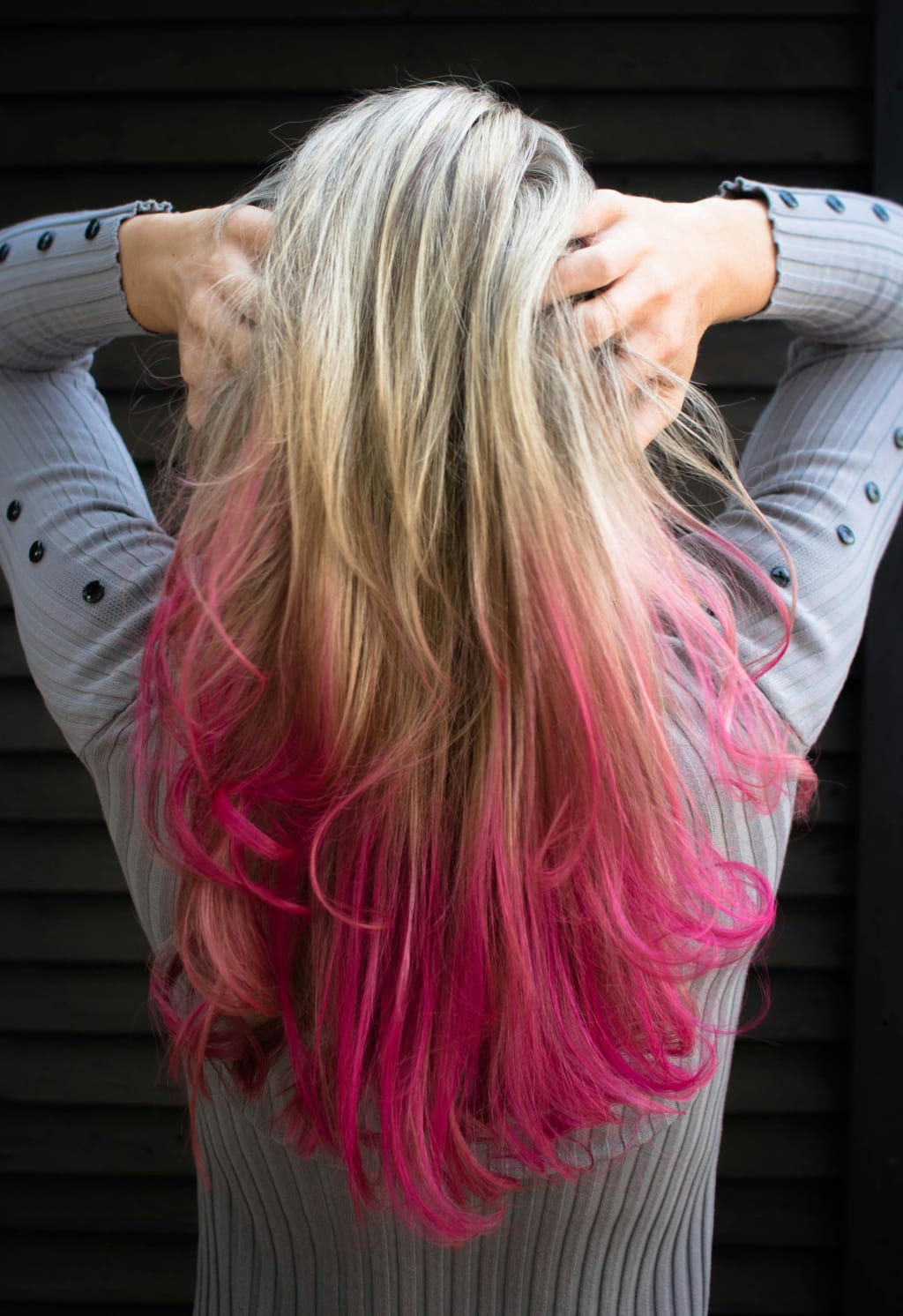
Hair coloring is one of the most popular beauty treatments globally, allowing people to transform their look or cover gray hair. But have you ever wondered about the science behind hair color and what happens when you dye your hair? This blog delves into the chemistry, technology, and processes involved in altering your hair’s color, breaking down the facts that make hair coloring both an art and a science.
Understanding Hair Structure Before Coloring
Before discussing the process of applying hair color, it’s essential to understand the structure of hair itself. Hair is composed of three layers:
1. The Cuticle: The outermost layer of the hair shaft, consisting of overlapping cells that protect the inner layers. The cuticle is like the armor of the hair, and its condition greatly affects how well the hair absorbs color.
2. The Cortex: The thick middle layer, where most of the pigment (melanin) resides. This is where hair color change occurs, as the pigment is altered during the coloring process.
3. The Medulla: The innermost core, which may or may not be present in every strand. This layer has little to do with hair color but is part of the hair's structure.
The hair color process focuses primarily on the cortex and cuticle, affecting how light or dark the hair is and what tone it takes on.
Types of Hair Color: The Key Differences
There are three primary categories of hair color products: permanent, semi-permanent, and temporary hair color. Each type uses a different process to achieve the desired results.
1. Permanent Hair Color
o Penetrates deep into the hair shaft, altering the structure of the cortex by replacing natural pigments with new ones.
o It typically lasts until new hair grows, though fading can occur over time.
o Contains ammonia and peroxide, which help the dye penetrate the hair shaft.
Fact: Permanent hair color typically lasts between six to eight weeks before a touch-up is needed due to hair growth.
2. Semi-Permanent Hair Color
o Coats the hair shaft without fully penetrating the cortex.
o It fades over time, usually after 6-12 washes, and doesn’t contain ammonia or peroxide.
Fact: Semi-permanent hair color is a popular choice for those who want to experiment with color without making a long-term commitment. According to a report, approximately 50% of women under the age of 30 use semi-permanent hair dye.
3. Temporary Hair Color
o Sits on the outer layer of the hair and washes out after just one or two shampoos.
o Ideal for trying bold or unusual colors for a short period.
Fact: Temporary hair color is frequently used in fashion shows and photoshoots for quick, vibrant changes.
The Role of Melanin in Hair Color
Melanin is the pigment responsible for your natural hair color. Two types of melanin determine the shade of your hair:
1. Eumelanin: This pigment gives hair its black or brown color. Higher concentrations of eumelanin lead to darker hair, while lower concentrations result in lighter shades of brown.
2. Pheomelanin: This pigment is responsible for red and yellow tones. People with a high concentration of pheomelanin have red or ginger hair, while those with a mix of eumelanin and pheomelanin tend to have lighter hair, like blonde.
When you apply hair color, the product interacts with the melanin in the cortex to either add or remove pigments, changing the overall color of your hair.
The Hair Coloring Process: Step by Step
Now that we’ve covered the basics of hair structure and melanin, let’s dive into the chemical processes involved in applying hair color.
1. Opening the Cuticle
The first step in the hair color process is opening the cuticle layer. This is achieved with chemicals like ammonia, which raises the pH level of the hair, causing the cuticle to lift and allowing the color molecules to enter the cortex.
Ammonia is the most common chemical used to open the cuticle, but some newer hair color formulas use less harsh alkaline agents like ethanolamine.
2. Lightening the Natural Hair Color
For lighter shades of hair color, a developer (hydrogen peroxide) is used to bleach the hair. Hydrogen peroxide breaks down the natural melanin pigments in the hair through a process called oxidation. This prepares the hair to absorb the new color.
Hydrogen peroxide comes in different strengths, often referred to as volumes:
• 10 Volume: Minimal lift, suitable for adding darker color or subtle toning.
• 20 Volume: Lifts natural hair color by 1-2 shades.
• 30 Volume: Lifts hair color by 2-3 shades.
• 40 Volume: Maximum lift for significant lightening, up to 4 shades.
Fact: Hydrogen peroxide at 30 volume or higher can cause damage to hair if used incorrectly. According to hair experts, repeated use of high-volume peroxide can lead to dryness and breakage.
3. Depositing the New Hair Color
Once the natural pigments are removed or lightened, the new hair color molecules are deposited into the cortex. Permanent dyes contain both small and large molecules. The small molecules penetrate deep into the cortex, where they combine and form larger molecules, locking the color in place.
This reaction is what makes permanent hair color long-lasting and resistant to fading. As the molecules bind together, they become too large to escape the hair shaft, resulting in hair color that lasts for weeks.
4. Sealing the Cuticle
After the color is deposited, the final step in the hair color process is sealing the cuticle back down. This helps protect the hair and lock in the color. Most coloring products contain a conditioning agent or pH-balancing solution that closes the cuticle and leaves the hair smooth and shiny.
The Role of pH in Hair Color
A crucial aspect of hair color chemistry is pH. The pH scale ranges from 0 to 14, with 7 being neutral. Hair typically has a pH of around 4.5 to 5.5, which is slightly acidic. For hair color to work effectively, the pH needs to be adjusted.
• Ammonia raises the pH of the hair to around 10-11, allowing the cuticle to lift.
• Hydrogen peroxide oxidizes the natural pigments and lightens the hair, with a pH of 3.5-4.
• After coloring, conditioners or pH-balancing treatments bring the hair back to its natural pH range to close the cuticle and restore balance.
Maintaining the right pH balance is essential for healthy, vibrant hair color. If the hair remains too alkaline, it becomes prone to damage and brittleness.
Facts and Data About Hair Color Usage
• According to a survey by Statista, over 85 million women in the United States used hair color products in 2021.
• Globally, the hair color market was valued at over $18 billion in 2021 and is projected to grow significantly in the coming years, driven by trends like vivid hair color and natural-looking dyes.
• Research indicates that around 75% of women over the age of 18 in Europe and the U.S. have dyed their hair at least once in their lives.
How to Maintain Healthy Hair After Coloring
Once you’ve gone through the science-backed process of coloring your hair, maintaining its health is essential. Here are some tips for keeping your hair color looking vibrant and your hair feeling strong:
1. Use Sulfate-Free Shampoos: Sulfates can strip the color and natural oils from your hair, leading to faster fading.
2. Deep Condition Regularly: Color-treated hair needs extra moisture to prevent breakage and dullness.
3. Protect Hair from UV Rays: The sun can fade hair color quickly. Use UV-protectant sprays or wear a hat when spending time outdoors.
4. Limit Heat Styling: Heat tools can dry out color-treated hair. If you must use heat, always apply a heat protectant beforehand.
Conclusion: The Science of Hair Color Unveiled
The science behind hair color involves a complex interplay of chemistry and biology, from opening the cuticle to depositing new pigments and sealing the hair for long-lasting results. Understanding how hair color works can help you make more informed decisions about the products you use and how to maintain the health of your hair after coloring. You can find some of the best hair color from online sites like eBay and TrueGether. You can even get huge discounts and offers on your purchase.
Whether you're considering permanent, semi-permanent, or temporary hair color, knowing the science behind the process will ensure that you get the best possible results for your hair type and needs.
About the Creator
Ruby
I am an enthusiastic writer with a pinch of creativity. I write compelling stories that will leave you astounded and satiated at the same time.


Comments
There are no comments for this story
Be the first to respond and start the conversation.