
The Philippines: A Nation Hooked on the Internet
Navigating the Opportunities and Challenges of the Philippines' Internet Revolution

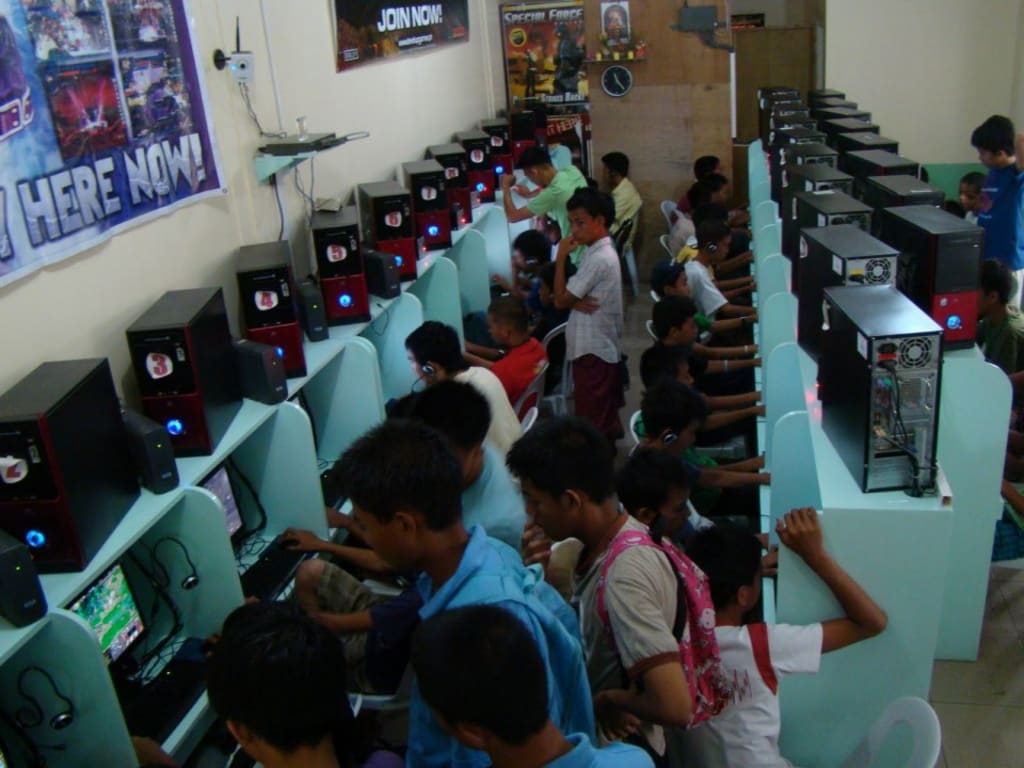
In recent years, the Philippines has witnessed a remarkable surge in internet usage, positioning itself as a frontrunner in the digital realm. With the population spending an average of 10 hours online daily, according to Statista, it is evident that the country has wholeheartedly embraced the digital era. This growth can be attributed to the continuous improvement of internet infrastructure across the nation, allowing more people to access and utilize online resources. Looking ahead, it is projected that approximately 77.81% of the population will have internet access by 2028, showcasing the country's commitment to expanding digital inclusion and connectivity.
While the Philippines' adaptation to digitalization is commendable, it is important to acknowledge the new challenges that come hand in hand with this progress. DICT Undersecretary Jocelle Batapa-Sigue has emphasized the need to address these challenges, recognizing that similar issues may arise in other countries undergoing their own digital transformations. As with any technological advancement, it is crucial to strike a balance between harnessing the benefits of increased internet usage and mitigating potential risks.
Efforts to enhance online connectivity in the Philippines have yielded positive results, with the average download speed reaching an impressive 81.42 Mbps. This improvement in internet speed has not only enabled smoother online experiences but also facilitated the growth of various digital services and platforms. However, it is important to note that a significant proportion of Filipinos primarily use the internet for social media activities. According to a report by MSN, 77% of internet users in the country prefer engaging with social media platforms, making it the most popular online activity among Filipinos. This phenomenon has earned Filipinos the distinction of being the "most virtually social" population, as stated by Telenor Asia, an international telecommunications company.
Undersecretary Batapa-Sigue expressed concern over the internet usage patterns of the younger generation, particularly those aged 18 to 25, commonly referred to as Generation Z. She highlighted the fact that this demographic predominantly utilizes the internet for social media purposes, rather than leveraging its potential for learning or productivity. This trend raises questions about the extent to which young Filipinos are using the internet as a tool for personal and professional growth. Additionally, Undersecretary Batapa-Sigue drew attention to the limited benefits that micro, small, and medium enterprises (MSMEs) have derived from increased online usage, primarily due to their reluctance to adopt digital payment systems. This gap in digital adoption hinders MSMEs' ability to compete effectively and access the global market.
To address these challenges head-on, Undersecretary Batapa-Sigue stressed the importance of digital skilling, particularly in rural areas, to bridge the digital divide caused by a lack of skills and knowledge. Empowering individuals with digital literacy and equipping them with the necessary tools and expertise will be critical in maximizing the opportunities presented by the digital age. Furthermore, she emphasized the need for MSMEs to embrace digital payment systems, which can enhance their productivity, streamline transactions, and enable them to compete effectively on a global scale.
As internet usage in the Philippines continues to grow, there are increasing expectations for more reliable and faster mobile networks. Jørgen C. Arentz, the head of Telenor Asia, has highlighted the need for mobile operators to meet these expectations, as people seek more dependable and faster mobile networks to support their online activities. Meeting these demands will require ongoing investments in infrastructure and technologies to ensure that the Philippines remains at the forefront of digital connectivity.
In conclusion, the Philippines' internet revolution has propelled the nation into a digital era characterized by increased connectivity and internet usage. While this growth is praiseworthy, it is imperative to address the challenges that arise from it. By promoting productive internet usage, prioritizing digital skilling initiatives, encouraging MSMEs to embrace digital payment systems, and striving for enhanced mobile networks, the Philippines can continue on its path towards digital empowerment and inclusivity.
About the Creator
Erik Velazco
passionate about storytelling and eager to share unique perspectives, ideas, and imagination with the world.
Keep reading
More stories from Erik Velazco and writers in FYI and other communities.
From Giants to Angels: Decoding the Enigmatic Book of Enoch
Human history is filled with numerous mythical tales about gods, angels, giants, and disasters. While these tales seem fascinating and mysterious at first, a closer look reveals that they show an alternative human history that most have failed to notice. The ancient Hebrew apocalyptic religious work known as the Book of Enoch is credited to Enoch, Noah's great-grandfather. It contains astonishing revelations about the origins of evil, the fallen angels, the Nephilim, the flood, the Messiah, and the end times. However, the book has been excluded from the Bible and hidden from public consumption because it contains information about shocking mysteries of our origins that have been deemed too controversial.
By Erik Velazco3 years ago in FYI
Outside Lands 2026: Music, Memory, and Magic
There is something different about a festival held in a park surrounded by fog. The air feels softer. The sound carries in a strange, beautiful way. Strangers stand shoulder to shoulder, waiting for a song that might stay with them for years. Outside Lands 2026 is already stirring that quiet excitement. Even before the lineup is announced, people are talking about outfits, travel plans, and who they want to see on stage. It is not just another music festival. It is a yearly ritual for thousands who return to Golden Gate Park for three days of sound, food, and shared emotion. Outside Lands 2026 promises more than performances. It promises moments.
By Muqadas khan2 days ago in FYI
The Piggy Project
I’ve had so many names in this life I lose track of which ones were ever really mine and which ones I wore because someone needed me to. Some were handed to me before I had words to refuse them, before I knew what they meant, before I knew I could say no. Most weren’t meant to hurt. That doesn’t mean they didn’t leave marks. Marks that told me who I belong to, who I am by way of who claims me, recognizes me in the good and bad, who walks beside me.
By Fatal Serendipitya day ago in Confessions



Comments
There are no comments for this story
Be the first to respond and start the conversation.