
The Most Painful Invisalign Tray: Understanding Discomfort and How to Manage It
Navigating the Painful Stages of Invisalign Treatment and Effective Ways to Alleviate Discomfort
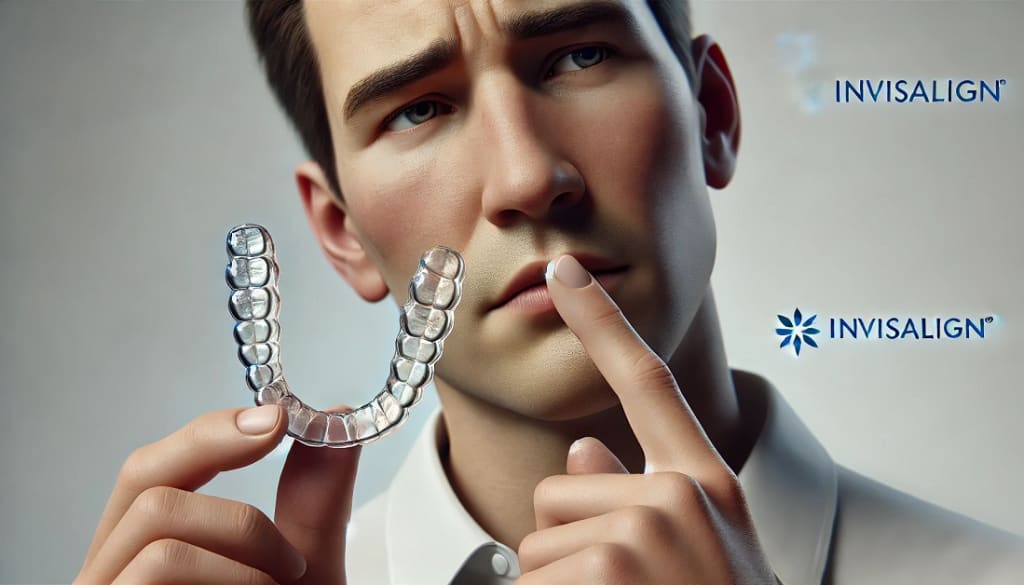
Invisalign is a popular orthodontic treatment that provides a discreet and comfortable way to straighten teeth. However, many users experience discomfort, especially during the first few days after getting a new Invisalign tray. This article will explore the causes of pain with Invisalign trays, focusing on the most painful stages of treatment and how to manage this discomfort effectively.
What Are Invisalign Trays?
Invisalign trays are clear plastic aligners custom-made to fit your teeth. They work by gradually shifting your teeth into the desired position. Unlike traditional metal braces, Invisalign trays are nearly invisible, removable, and often more comfortable to wear. However, discomfort is still a common side effect as the aligners apply pressure to your teeth.
Why Do Invisalign Trays Hurt?
The pain associated with Invisalign trays is mainly due to the pressure applied to your teeth. When you switch to a new tray, your teeth are forced to shift, and this can cause soreness. The discomfort is usually most noticeable during the first few days of wearing a new tray or after you’ve had a tray for several weeks and the teeth have shifted significantly.
Invisalign trays are designed to make small, incremental changes to your teeth, which means that you’ll feel some pain as your teeth move. This is a natural part of the orthodontic process, and while uncomfortable, it’s a sign that the treatment is working.
Key Factors Contributing to Pain:
Pressure on Teeth: When you insert a new tray, your teeth are pressured into moving. This can lead to soreness or discomfort in the jaw and gums.
Sharp Edges: Sometimes, the edges of the aligners may irritate your gums and the inside of your mouth.
Fit of the Tray: If the tray doesn’t fit correctly, it can cause uneven pressure, leading to more discomfort.
Duration of Treatment: As your teeth shift and adjust over time, the intensity of the discomfort may vary.
The Most Painful Invisalign Tray Stages
While discomfort is common throughout Invisalign treatment, some phases are notably more painful than others. Below are the stages when Invisalign trays tend to cause the most pain.
1. After Changing to a New Tray
The most painful time with Invisalign is typically after you switch to a new tray. The aligners are tight, and this increased pressure can cause discomfort. For the first 2-3 days, your teeth may feel sore, making it difficult to chew or even speak comfortably. This is a normal part of the treatment process, but it can be the most painful period.
2. The First Few Days of Treatment
When you begin your Invisalign treatment, your teeth have to adjust to the pressure applied by the trays. During these first few days, your teeth may feel sore, and your gums might be sensitive. The pain should subside within a few days, but for some people, it can be a more intense experience.
3. After Wearing a Tray for a Few Weeks
As your teeth begin to shift, the discomfort might not be as severe, but the pain can resurface if your trays are making significant changes to your teeth. This discomfort is usually less intense than when you first switch to a new tray, but it can still be bothersome.
4. During Complex Tooth Movements
Certain types of tooth movement, such as rotating teeth or shifting molars, tend to cause more discomfort than simple movements like spacing teeth. If your treatment involves more complex adjustments, you may experience increased pain.
How to Manage the Pain of Invisalign Trays
While pain is a part of the Invisalign process, there are several ways to manage the discomfort and make the treatment more bearable.
1. Use Pain Relief Medication
Over-the-counter pain relief medications like ibuprofen or acetaminophen can help reduce the discomfort caused by Invisalign trays. Make sure to follow the instructions on the label and consult a doctor if necessary.
2. Wear Your Trays for Shorter Periods at First
If you’re finding the pain unbearable, try wearing your trays for shorter periods at first. Gradually increasing the amount of time you wear them will help your teeth adjust to the pressure more comfortably.
3. Use Orthodontic Wax
If your trays are causing irritation to the inside of your mouth, orthodontic wax can be used to cover any sharp edges. This will help prevent the trays from hurting your gums and the inside of your lips or cheeks.
4. Cold Compress
Applying a cold compress to your cheeks or jawline can help numb the area and relieve some of the discomfort. A cold compress works best for pain caused by inflammation and pressure.
5. Take Care of Your Gums
If your gums are sore, consider using a gentle toothbrush and flossing carefully to avoid further irritation. You can also rinse your mouth with warm saltwater to help reduce inflammation and soothe your gums.
6. Consult Your Orthodontist
If the pain becomes unbearable or if you experience prolonged discomfort, it’s essential to consult your orthodontist. They may need to adjust your trays to ensure they fit correctly or suggest other ways to alleviate the pain.
Frequently Asked Questions (FAQs)
1. How Long Will the Pain Last with Invisalign?
The pain associated with Invisalign trays typically lasts for 2-3 days after switching to a new tray. However, some discomfort may continue for the duration of the treatment, especially if your teeth are undergoing significant shifts.
2. Can Invisalign Be Too Painful to Wear?
While Invisalign treatment can cause discomfort, it should never be so painful that it is unbearable. If you experience severe pain or prolonged discomfort, it’s important to speak with your orthodontist to ensure that the trays are fitting properly.
3. Are Some Invisalign Trays More Painful Than Others?
Yes, certain trays may cause more pain than others, especially if they are designed to make more significant adjustments to your teeth. Trays that involve rotating teeth or correcting bite issues may cause more discomfort compared to trays that focus on spacing or alignment.
4. How Can I Avoid Pain from Invisalign Trays?
To avoid pain, make sure your trays fit correctly, use orthodontic wax for sharp edges, and practice good oral hygiene. Taking pain relievers and applying cold compresses can also help alleviate discomfort.
5. Can I Take Out My Invisalign Trays If They Hurt?
You can remove your Invisalign trays to eat or drink, but it’s important to wear them for at least 20-22 hours a day to ensure the treatment is effective. If the pain is significant, try wearing them for shorter periods, gradually increasing the time as your teeth adjust.
Conclusion: Managing Pain During Invisalign Treatment
Invisalign trays, while an excellent solution for many, do come with some discomfort. The most painful Invisalign tray stages occur when you switch to a new tray, during the first few days of treatment, or when complex tooth movements are involved. However, the pain is typically manageable with over-the-counter pain medication, proper care, and consultation with your orthodontist.
While it might seem challenging at times, the discomfort caused by Invisalign trays is temporary. With patience and proper pain management strategies, you’ll soon be able to enjoy the benefits of straighter teeth with minimal hassle.
About the Creator
Keep reading
More stories from jawwad j.j and writers in FYI and other communities.
Is Water Wet? A Scientific, Philosophical, and Linguistic Exploration
Introduction The question, "Is water wet?" may seem simple, but it has sparked countless debates in classrooms, online forums, and social gatherings. The nature of wetness and whether it applies to water itself brings together scientific, philosophical, and linguistic perspectives.
By jawwad j.jabout a year ago in Education
A Failed Artist, A Disillusioned Poet, An Underpaid Game Show Host
I took my son and niece to Gori, a small town in Georgia where Joseph Stalin was born. They talked me into visiting the Stalin's Museum, the largest in the post-Soviet space. I had resisted going there because I just can't stand the monster and know enough about him, or so I thought.
By Lana V Lynx28 days ago in FYI
How much would it cost to buy Greenland? Trump's dream of "the biggest real estate deal in history"
For more than a hundred years, American politicians have occasionally cast covetous glances toward Greenland, the world's largest island, which occupies a strategically important position between North America and Europe due to its location. But it was only U.S. President Donald Trump who revived this idea with unprecedented vigor. He first mentioned it in 2019 during his initial term, but after his re-election in 2024, he elevated it to the level of a national security priority. The Trump administration presents it as a necessary step against Russian and Chinese influence in the Arctic, access to critical minerals, and defense of the northern border.
By Elvira Diggory4 days ago in FYI




Comments
There are no comments for this story
Be the first to respond and start the conversation.