
The Importance of Soil Analysis in Offshore Infrastructure Development
This is where a geotechnical survey offshore comes in, providing the data needed to make informed decisions and maintain safety.

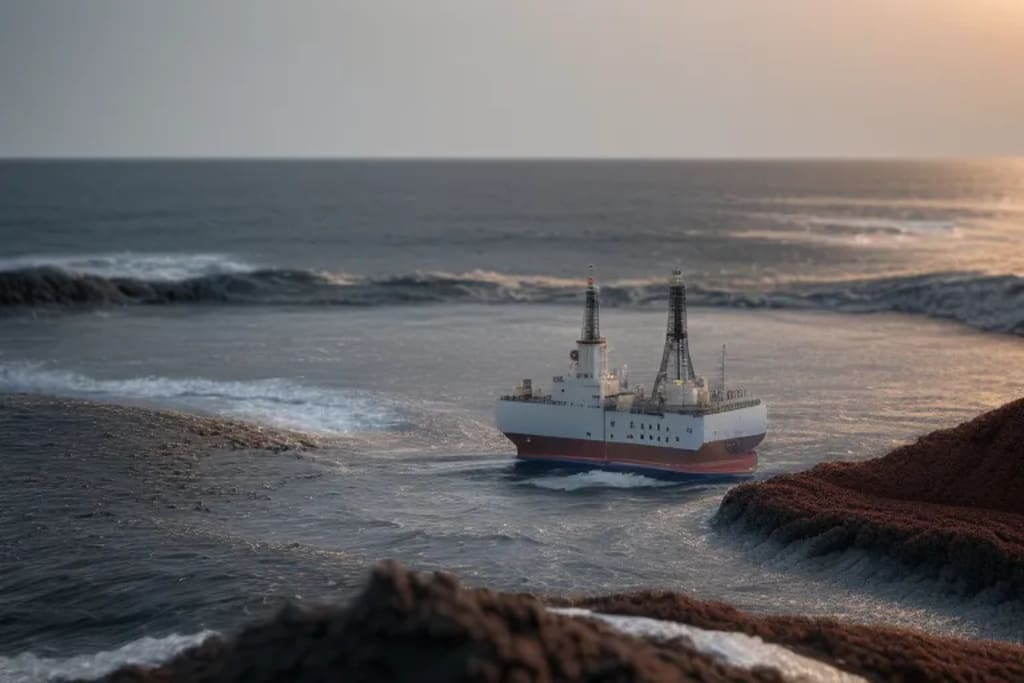
Introduction
Soil analysis is an important component of offshore infrastructure development since it often decides whether a project succeeds or fails. Understanding the properties of the seabed is vital for building oil rigs, wind farms, or underwater pipelines.
This is where a geotechnical survey offshore comes in, providing the data needed to make informed decisions and maintain safety.
Understanding Soil Analysis
Soil analysis is the study of soil's physical and chemical properties to determine its appropriateness for construction. This research is especially important in offshore areas because of the particular obstacles offered by underwater conditions.
Soil type, density, porosity, and shear strength all have a significant impact on how structures perform over time.
Why is soil analysis important?
1. Foundation Stability
One of the main goals of soil analysis is to establish the stability of the earth beneath a proposed project. Offshore infrastructure must endure both the weight of the structures and external factors such as waves, currents, and winds. A thorough geotechnical survey offshore assesses the soil's bearing capability and settling possibilities, ensuring that foundations are built to handle the load safely.
2. Risk Mitigation
Offshore settings can be unpredictable, with elements such as soil erosion, liquefaction, and shifting sediments putting infrastructure at danger. Engineers can detect possible dangers and develop mitigation methods by performing a thorough soil investigation. If the soil is prone to liquefaction, structures may need to be stabilized using particular foundation techniques.
3. Cost Efficiency
Investing in soil analysis can result in significant long-term cost savings. Understanding the precise soil conditions before construction begins allows developers to prevent costly surprises caused by unforeseen soil difficulties. This proactive strategy enables for more effective budget management and resource allocation.
4. Environmental considerations
Offshore projects frequently have an impact on marine ecosystems, so soil analysis is critical for assessing potential environmental repercussions. Understanding sediment composition and pollution levels can help identify measures for reducing ecological damage. Furthermore, soil analysis can aid in identifying habitats that require conservation during development.
5. Design Optimization
The information gleaned from soil research affects the design process, allowing engineers to modify structures to the unique circumstances they will encounter. For example, understanding the soil type can influence material selection and construction processes, resulting in more resilient and effective structures.
The Role of Geotechnical Surveys
A geotechnical survey offshore is an integral part of the soil analysis process. These surveys often include:
Sampling: Sampling is the process of extracting soil samples from various depths in order to study its composition and qualities.
Testing: Conducting laboratory tests on soil samples to determine moisture content, density, and shear strength.
Data Analysis: Data analysis entails gathering and interpreting data to provide insights into soil behavior and suitability for construction.
Geotechnical surveys are now more efficient and accurate because to modern technologies like remote sensing and autonomous underwater vehicles (AUVs). These innovations enable more broad data collecting and detailed analysis, leading in better-informed judgments.
Conclusion
Soil analysis is a critical component of offshore infrastructure development that cannot be disregarded. Understanding the features of the seabed through a geotechnical survey offshore allows developers to ensure stability, eliminate hazards, and improve designs. Furthermore, engaging in detailed soil analysis promotes environmental sustainability and financial effectiveness.
Prioritizing soil analysis in the ever-changing realm of offshore construction will not only result in successful project outcomes, but will also assist conserve the fragile marine habitats in which these facilities exist. Understanding the soil underlying an offshore project is just as critical as the structure above it.
About the Creator
falconsurveyme
Falcon Survey Engineering Consultants leads in Dubai with unparalleled bathymetric drone services. Precision, efficiency, and accuracy define our approach, ensuring top-notch results for marine surveys.
Keep reading
More stories from writers in FYI and other communities.
A Failed Artist, A Disillusioned Poet, An Underpaid Game Show Host
I took my son and niece to Gori, a small town in Georgia where Joseph Stalin was born. They talked me into visiting the Stalin's Museum, the largest in the post-Soviet space. I had resisted going there because I just can't stand the monster and know enough about him, or so I thought.
By Lana V Lynx30 days ago in FYI
Book Review: Atmosphere by Taylor Jenkins Reid
I flipped the book over in my hands in the centre of the small airport book shop. Although I had heard promising reviews of Atmosphere by Taylor Jenkins Reid, I hesitated. The synopsis didn’t compel me - I wasn’t much of a space girly. In high school it made me cringe when my peers would talk about the stars.
By sleepy draftsa day ago in BookClub



Comments
There are no comments for this story
Be the first to respond and start the conversation.