
The Impact of Streaming on the Hollywood Music Industry
Hollywood Music Industry

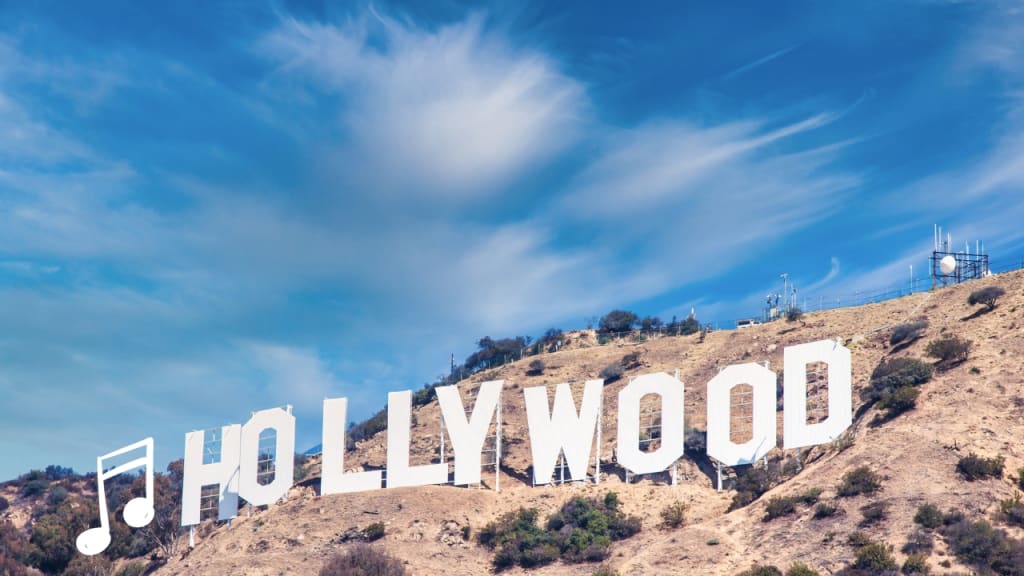
The advent of streaming has dramatically reshaped the landscape of the music industry, including the Hollywood music sector. Once dominated by physical media like vinyl, CDs, and DVDs, the distribution and consumption of music in Hollywood have shifted towards digital platforms. Streaming services such as Spotify, Apple Music, and YouTube have become the primary means for audiences to access music, including film soundtracks. This transformation has had far-reaching implications, from the way music is created and distributed to how it is monetized and marketed. In this article, we will explore the profound impact of streaming on the Hollywood music industry, examining both the challenges and opportunities it presents.
The Rise of Streaming Platforms: A New Era for Music Consumption
The rise of streaming platforms in the early 2000s marked a significant turning point in how people consume music. Before the advent of these services, purchasing physical copies of soundtracks or downloading digital files was the primary way for audiences to enjoy music from their favorite films. However, with the launch of platforms like Spotify in 2008, the industry witnessed a seismic shift towards subscription-based streaming.
The Shift from Ownership to Access:
Streaming platforms fundamentally changed the way music is consumed by shifting the focus from ownership to access. Instead of purchasing individual albums or soundtracks, users could now access vast libraries of music for a monthly subscription fee. This change allowed audiences to explore a broader range of music, including lesser-known film scores that might not have been as accessible through traditional means.
For the Hollywood music industry, this shift meant that soundtracks and scores could reach a global audience more easily. Movies with niche appeal or international films could find audiences who might not have purchased a physical copy of the soundtrack but were willing to stream it. This democratization of access has allowed Hollywood music to penetrate new markets and reach listeners who might not have otherwise discovered these works.
Impact on Film Soundtracks and Scores:
Streaming platforms have also influenced the way film soundtracks and scores are curated and released. Traditionally, soundtracks were released as cohesive albums, carefully sequenced to reflect the progression of the film. However, with streaming, there is greater emphasis on individual tracks, playlists, and even user-generated content. As a result, composers and music supervisors are now considering how individual tracks might perform on streaming platforms, leading to more versatile and often more commercially driven compositions.
Moreover, the success of soundtracks is increasingly measured by streaming metrics, such as the number of plays and playlist placements. These metrics can influence the promotion and marketing of a film, as well as its overall success. For instance, the soundtrack of the 2018 film "A Star Is Born," featuring the hit song "Shallow," became a streaming sensation, which significantly contributed to the film’s popularity and critical acclaim.
Changes in Distribution: The Role of Digital Platforms
The transition to streaming has also revolutionized the distribution process for Hollywood music. In the past, distributing a film’s soundtrack involved manufacturing physical copies, shipping them to stores, and promoting them through traditional media channels. This process was time-consuming, costly, and limited by geographical constraints.
Instant Global Distribution:
With streaming, the distribution of music has become instantaneous and global. As soon as a soundtrack is released on a digital platform, it becomes available to listeners worldwide, eliminating the need for physical distribution channels. This has dramatically reduced the time it takes for music to reach audiences and has expanded the potential market for Hollywood soundtracks.
Furthermore, streaming platforms offer data and analytics that provide insights into listener behavior. This data allows record labels, composers, and music supervisors to understand which tracks are resonating with audiences, which regions are most engaged, and how listeners are discovering the music. These insights can inform future decisions about marketing, promotion, and even the creation of new music.
The Role of Playlists:
Playlists have become a crucial tool in the distribution and promotion of Hollywood music on streaming platforms. Curated playlists, whether by the platform itself, influencers, or even users, can drive significant traffic to a soundtrack. For example, a track featured on a popular playlist like Spotify's "New Music Friday" can see a dramatic increase in plays and visibility.
As a result, getting a song placed on a prominent playlist has become a key objective for music marketers. This has led to a new dynamic in the Hollywood music industry, where the focus is not just on creating music for films but also on ensuring that the music performs well in the streaming ecosystem.
Monetization Challenges: The Financial Implications of Streaming
While streaming has made music more accessible than ever before, it has also introduced significant challenges in terms of monetization. The financial model of streaming is vastly different from that of physical sales or even digital downloads, and this has had profound implications for the Hollywood music industry.
Revenue Streams in the Streaming Era:
In the traditional model, revenue from music sales was relatively straightforward: artists, composers, and record labels earned money from the sale of physical copies or digital downloads. However, in the streaming era, revenue is generated based on the number of plays a track receives. This model means that artists and composers earn significantly less per stream compared to what they would have earned from a sale.
For Hollywood soundtracks, this shift has been particularly impactful. While blockbuster films with popular soundtracks may still generate significant revenue from streaming, smaller films or those with more niche appeal may struggle to earn substantial income. This has led to concerns about the sustainability of music production in Hollywood, especially for composers and artists who rely heavily on soundtrack sales.
Conclusion
The impact of streaming on the Hollywood music industry has been profound, bringing both opportunities and challenges. While streaming has made music more accessible and has introduced new ways to distribute and market soundtracks, it has also disrupted traditional revenue models and raised questions about fair compensation for artists and composers. As the industry continues to adapt to the streaming era, it will need to find new ways to balance creativity with commercial viability.
About the Creator
Music Industry Updates
Welcome to Music Industry Updates, your go-to hub for the latest happenings in the music world.
Stay tuned, stay informed, and stay inspired with Music Pulse – where every beat counts.
Keep reading
More stories from Music Industry Updates and writers in FYI and other communities.
The Role of Technology in Revolutionizing the Hindi Music Industry
The Hindi music industry has undergone a tremendous transformation over the past few decades, thanks to rapid advancements in technology. From the days of vinyl records and radio broadcasts to the current era of digital streaming and AI-driven music production, technology has played a pivotal role in shaping the industry. This article explores how technological innovations have revolutionized the Hindi music industry, enhancing music production, distribution, and consumption, and paving the way for a new generation of artists and listeners.
By Music Industry Updatesabout a year ago in FYI
The algorithm behind Instagram reels is explained in detail, along with how to make it work for you.
The algorithm behind Instagram reels is explained in detail, along with how to make it work for you. Instagram Reels did not suddenly become popular. The Instagram Reels algorithm is the driving force behind every viral Reel, every sudden increase in views, and every creator who blew up overnight.
By Farida Kabira day ago in FYI
So You Decided To Become a Nurse Practitioner:
So you decided to become an "Advanced Practice" nurse. Congratulations!... is what I would say if this was a good idea. Grad school? In this economy? What were you thinking? Likely it was something along the lines of either 1) “I've seen these other chucklefucks do it— Why can't I?” or even 2) “I've got a nice career, I should shake it up. I miss feeling like I have no clue what I'm doing.”
By Sandor Szabo6 days ago in Fiction


Comments (1)
Interesting