
The Impact of Hard Water on Your Plumbing
How Hard Water Impacts your Pipes

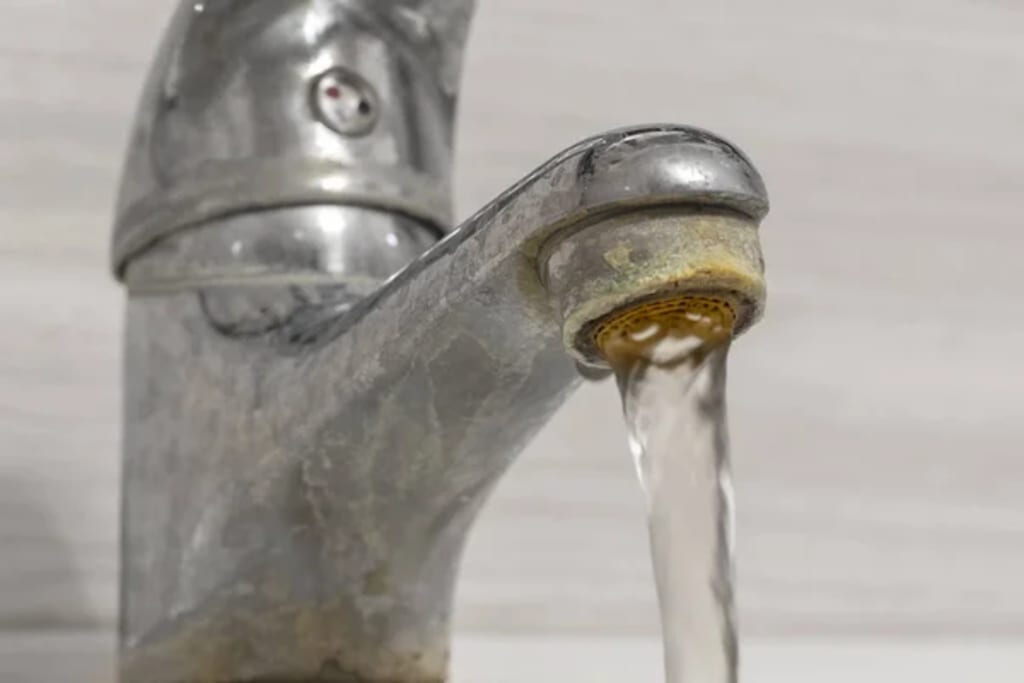
The Impact of Hard Water on Your Plumbing
Hard water is a common issue in many households, particularly in areas where the water supply contains high levels of dissolved minerals like calcium and magnesium. While hard water is not harmful to health, it can have a significant impact on your plumbing system. Over time, the minerals in hard water can cause a range of issues that may lead to costly repairs and reduce the lifespan of your plumbing fixtures and appliances. This article will explore how hard water affects your plumbing and what you can do to mitigate its impact.
1. Mineral Buildup in Pipes
One of the most significant effects of hard water on your plumbing system is the gradual buildup of mineral deposits, also known as limescale, inside your pipes. As hard water flows through your pipes, it leaves behind small amounts of calcium and magnesium, which accumulate over time.
Consequences:
Reduced Water Flow: The buildup of limescale inside pipes narrows the passage through which water can flow, leading to reduced water pressure and slower water flow. This can be particularly noticeable in older homes with smaller pipes.
Clogs and Blockages: In severe cases, limescale buildup can cause complete blockages in your pipes, resulting in the need for professional cleaning or even pipe replacement.
Increased Risk of Corrosion: The presence of mineral deposits can create an uneven surface inside your pipes, leading to areas of increased friction and a higher risk of corrosion. Corroded pipes are more prone to leaks and bursts, which can cause significant water damage to your home.
2. Damage to Water Heaters
Water heaters are particularly vulnerable to the effects of hard water. As water is heated, the minerals in hard water tend to precipitate out and form solid deposits on the heating elements and the interior surfaces of the tank.
Consequences:
Reduced Efficiency: The buildup of limescale on heating elements can insulate them from the water, reducing their ability to heat water efficiently. This means your water heater has to work harder and use more energy to heat the same amount of water, leading to higher energy bills.
Shortened Lifespan: Over time, the accumulation of mineral deposits can cause the heating elements to overheat and fail prematurely. In addition, the buildup inside the tank can lead to corrosion and leaks, significantly reducing the lifespan of your water heater.
Increased Maintenance Costs: Regular maintenance, such as flushing the tank to remove mineral deposits, is necessary to keep your water heater functioning properly in areas with hard water. However, even with regular maintenance, hard water can still lead to costly repairs or the need for a replacement sooner than expected.
3. Wear and Tear on Plumbing Fixtures
Hard water can also take a toll on your plumbing fixtures, including faucets, showerheads, and toilets. The minerals in hard water can accumulate on these fixtures, causing them to wear out faster and require more frequent replacement.
Consequences:
Stains and Discoloration: Hard water can leave unsightly stains and discoloration on sinks, bathtubs, and toilets. These stains are often difficult to remove and can make your fixtures look dirty and worn, even if they are relatively new.
Reduced Functionality: The buildup of limescale on faucet aerators and showerheads can reduce water flow and pressure, making it more difficult to achieve a strong, steady stream of water. Over time, this can lead to the need for replacement fixtures.
Increased Cleaning Efforts: Hard water stains and mineral buildup can be challenging to clean and often require the use of harsh chemicals or specialized cleaners. This can lead to increased cleaning efforts and costs over time.
4. Impact on Appliances
Household appliances that use water, such as dishwashers, washing machines, and coffee makers, can also be negatively affected by hard water. The mineral deposits left behind by hard water can accumulate inside these appliances, leading to decreased performance and a shorter lifespan.
Consequences:
Reduced Efficiency: Hard water can cause mineral deposits to form on heating elements, spray arms, and other components of appliances, reducing their efficiency and effectiveness. For example, dishwashers may leave spots and streaks on glassware, and washing machines may struggle to remove soap residue from clothes.
Increased Energy Consumption: Appliances affected by hard water often have to work harder to achieve the same results, leading to increased energy consumption and higher utility bills.
Frequent Repairs or Replacements: The wear and tear caused by hard water can lead to more frequent repairs and the need to replace appliances sooner than expected. This can be a significant expense for homeowners, especially when considering the cost of major appliances like water heaters and washing machines.
5. How to Mitigate the Impact of Hard Water
While hard water can cause a range of issues for your plumbing system, there are steps you can take to mitigate its impact and protect your home.
Solutions:
Install a Water Softener: A water softener is a device that removes calcium and magnesium from your water supply, effectively reducing the hardness of the water. This can prevent mineral buildup in your pipes, fixtures, and appliances, extending their lifespan and improving their performance. Water softeners are available in various sizes and types, so it’s important to choose one that meets your household’s needs.
Regular Maintenance: Regularly flush your water heater, clean faucet aerators, and showerheads, and check appliances for signs of mineral buildup. This can help reduce the impact of hard water and prolong the life of your plumbing system.
Use a Descaling Solution: If installing a water softener is not an option, consider using a descaling solution periodically to remove mineral deposits from your pipes and appliances. These solutions can help dissolve limescale and improve water flow and appliance efficiency.
If all else fails, it is best to contact a professional plumber Kent Town to get the best possible solution for hard water issues.
Conclusion
Hard water may not pose a health risk, but it can have a significant impact on your plumbing system, leading to reduced efficiency, increased maintenance costs, and the need for costly repairs or replacements. By understanding the effects of hard water and taking proactive steps to mitigate its impact, you can protect your home’s plumbing system and ensure it continues to function efficiently for years to come.
About the Creator
Steven Jones
Steven is a highly skilled and experienced plumber with over 15 years in the plumbing industry. He is known for his exceptional problem-solving abilities, attention to detail, and commitment to delivering top-notch service.
Keep reading
More stories from Steven Jones and writers in FYI and other communities.
DIY vs. Professional Plumbing Services: Which is Better?
When faced with plumbing issues, homeowners often ponder whether to tackle the problem themselves or hire a professional plumber. While DIY plumbing can be tempting due to potential cost savings and the satisfaction of completing a task, there are important factors to consider. Here's a comparison to help you decide which approach is better for your plumbing needs.
By Steven Jonesabout a year ago in FYI
Why Aircraft Components Are Overbuilt on Purpose
When we look at an aircraft, it’s easy to be impressed by its size or complexity but what many people don’t realize is that every part of an aircraft is engineered to be stronger and more reliable than it ever strictly needs to be. In aviation, nothing is left to chance. What may seem like “overbuilding” to the untrained eye is actually a deliberate, essential aspect of engineering that keeps passengers safe thousands of times a day.
By Beckett Dowhan5 days ago in FYI


Comments (3)
So so amazing .i love your content and subscribed. Kindly reciprocate by subscribing to me also . thank you and keep it up
Thanks for sharing
Nice analysis