
🧠 The Healing Power of Silence: How Quietness Rebuilds the Brain
A groundbreaking study reveals that silence—not music—stimulates the growth of new brain cells.

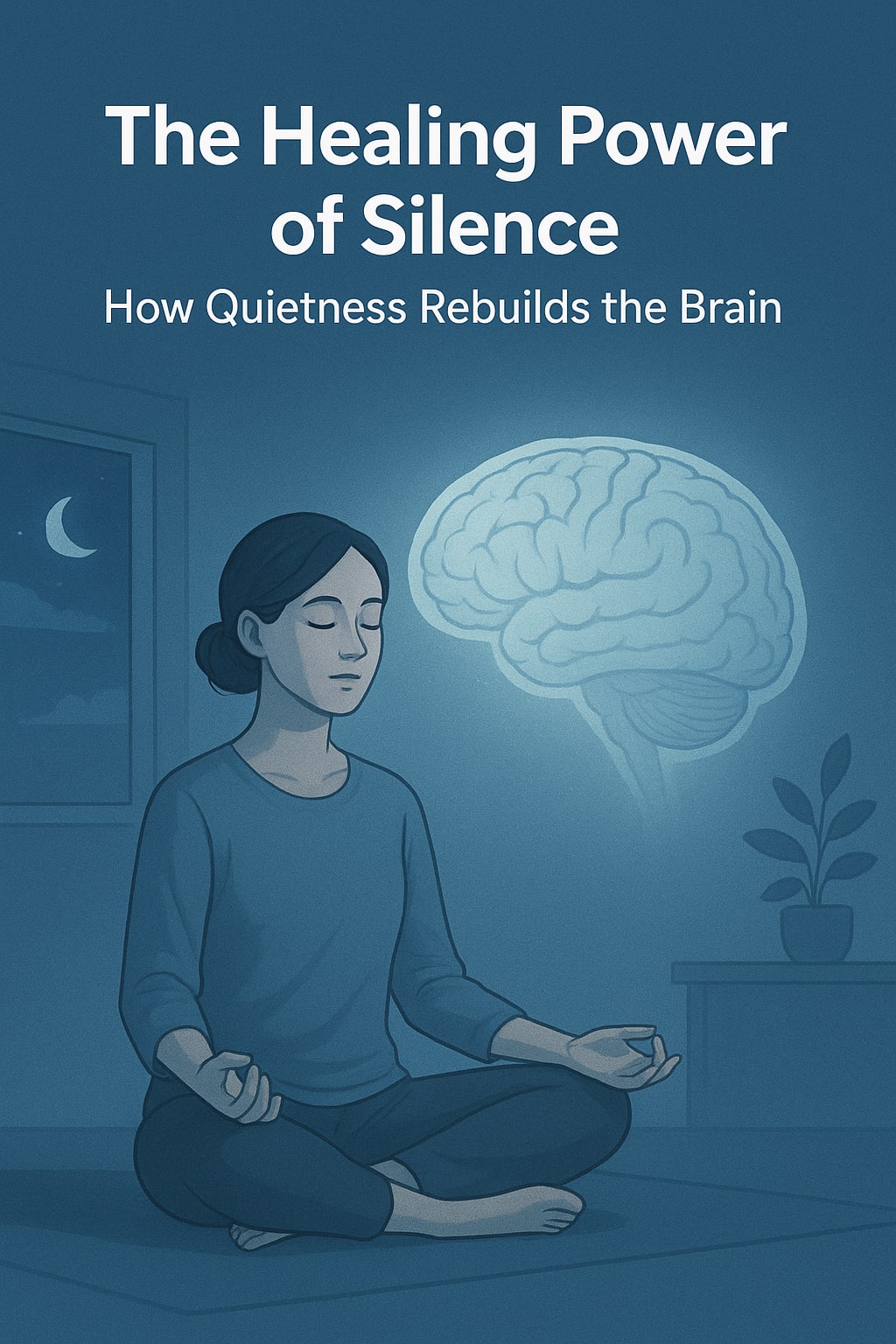
We live in a world filled with constant noise — from the hum of traffic to the ping of notifications and the endless chatter of daily life. Silence, in contrast, often feels uncomfortable, even eerie. But what if silence isn’t emptiness at all? What if it’s the very thing our brains have been craving for growth and renewal?
A study published in the Journal of Brain Structure and Function revealed something astonishing: when mice were exposed to different types of sound—including white noise, Mozart’s music, baby calls, and complete silence—only silence led to the creation of new brain cells. This phenomenon took place in the hippocampus, the part of the brain that governs memory, learning, and emotion.
Silence vs. Sound: What Scientists Found
Researchers designed an experiment to test how different sound environments affect the brain. Some mice listened to continuous noise, others to classical music, while a control group experienced total silence. The result was striking—silence did not merely calm the brain; it rebuilt it.
In the silent group, scientists observed increased neurogenesis, meaning the birth of new neurons. Even more remarkable, these newly formed cells were more likely to survive and mature into fully functioning neurons. That means silence wasn’t just creating raw cells—it was strengthening the brain’s ability to adapt, learn, and remember.
Why Silence Matters More Than Music
Classical music, especially Mozart’s, has long been associated with improved cognitive performance—the so-called “Mozart Effect.” Yet, in this study, even Mozart couldn’t match the regenerative impact of silence.
It turns out that when the auditory system rests, the brain shifts its resources from processing external stimuli to internal repair. Silence allows neural circuits to reorganize, remove unnecessary connections, and strengthen essential ones. This process, known as neural plasticity, is the foundation of learning and mental recovery.
The Science of Stillness
During moments of silence, the brain’s default mode network (DMN) becomes active. The DMN is responsible for introspection, daydreaming, and consolidating memories. When we are not bombarded by external noise, our mind has space to make connections, store new information, and even process emotions that were previously suppressed.
In fact, short periods of silence have been linked to lower blood pressure, reduced cortisol levels (the stress hormone), and improved sleep quality. Just two minutes of quiet reflection can have a measurable calming effect on both the body and the brain.
How to Use Silence as a Daily Therapy
Incorporating silence into modern life may sound simple, but it requires intention. Here are a few science-backed practices:
• Start with short silent breaks. Turn off all sounds for five minutes a day and focus only on your breathing.
• Practice mindful walking. Move in silence, without headphones or distractions.
• Disconnect from digital noise. Spend a few hours each week away from screens and notifications.
• Try silent mornings. Begin your day with quiet reflection instead of rushing into social media or news.
Over time, these practices not only calm your nervous system but also stimulate neurogenesis—helping your brain regenerate naturally.
Silence as Medicine for the Modern Mind
We often associate silence with emptiness, boredom, or even anxiety. But science shows the opposite: silence is a powerful environment for growth. Just as sleep restores the body, silence restores the brain. It gives the mind the space it needs to rebuild, reorganize, and renew itself.
In an era dominated by noise, the real revolution might come from something profoundly simple—quietness. Next time you find yourself reaching for your earbuds or scrolling through endless noise, remember: your brain might be silently asking for stillness.
Because in silence, you’re not just resting your mind.
You’re rebuilding it. 🕊️
About the Creator
Faeze Gholami
“Registered nurse and vocal educator — sharing medical insights with clarity, compassion, and care.”
Keep reading
More stories from Faeze Gholami and writers in FYI and other communities.
When Pain Turns Inward: The Silent Crisis of Untreated Mental Illness
She was thirty-three years old — educated, quiet, and seemingly composed. But beneath her calm exterior, a war was raging. For months, she had been battling intrusive thoughts and deep emotional pain. Though she was under the supervision of a psychologist, she rarely followed the treatment plan and often refused to take her prescribed medications. Her family assumed she was fine. But she wasn’t.
By Faeze Gholami3 months ago in Longevity
Virginia was once a mega-state until it gave up most of its land
The year 2026 marks the 250th anniversary of the Declaration of Independence. According to Cardinal News, Virginia was originally much larger than it is today. Virginia came out of the Revolutionary War much smaller than it was when it went in.
By Margaret Minnicks5 days ago in FYI


Comments
There are no comments for this story
Be the first to respond and start the conversation.